Baked Apple Cider French Toast: A Cozy Twist on a Classic Breakfast
 Save
Save
It was a crisp Saturday morning in late October, the kind of day when the wind carries the scent of fallen leaves and the kitchen feels like a warm refuge. I remember pulling a thick loaf of brioche from the freezer, the crust still soft from the night before, and a bottle of apple cider that had been simmering on the stove all week, its sweet‑spiced aroma filling every corner of the house. The moment I cracked the lid of the casserole dish, a cloud of fragrant steam rose up, swirling with hints of cinnamon, nutmeg, and caramelized apples. That first breath felt like a hug from an old friend, and I knew I was about to create something truly special.
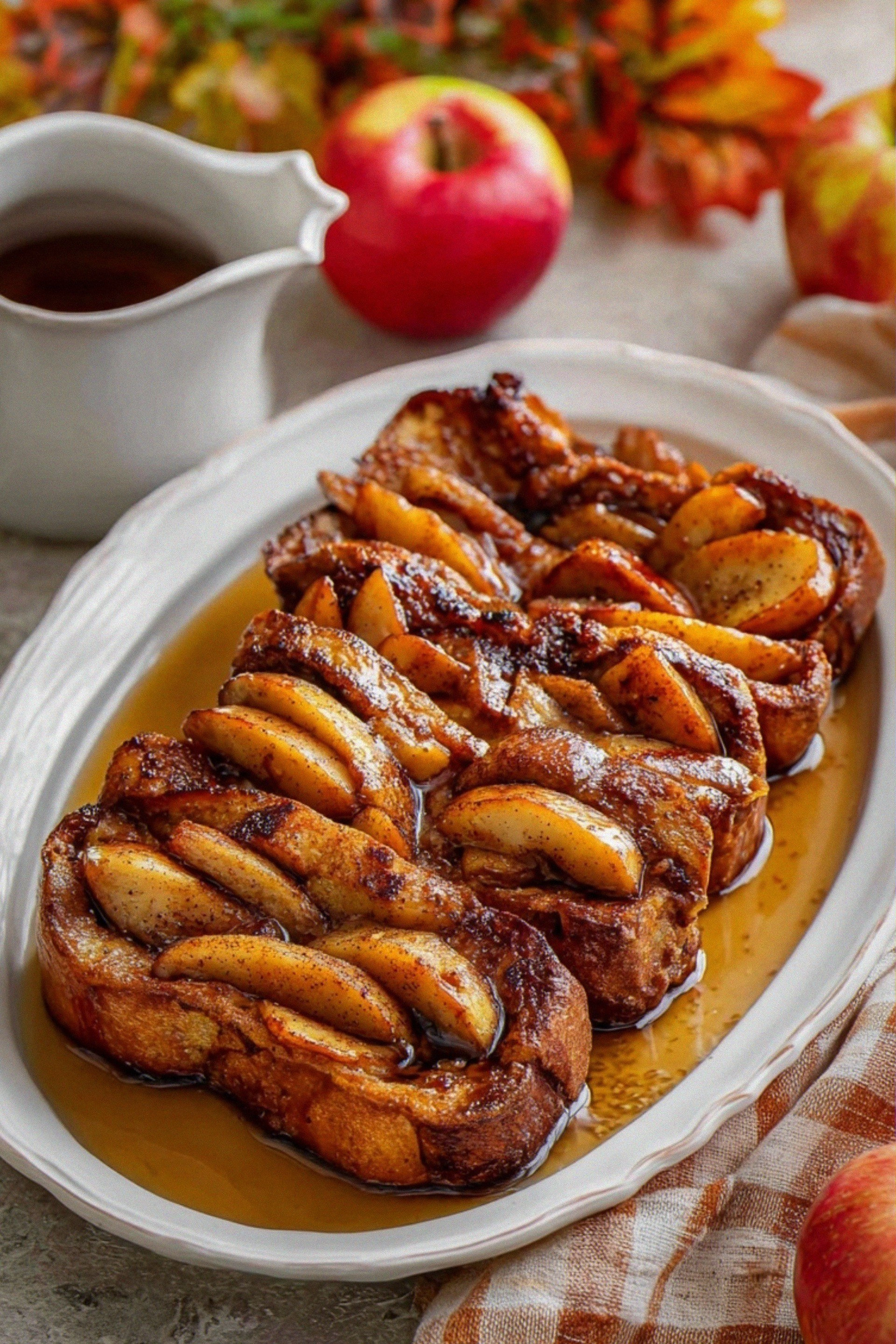
Baked Apple Cider French Toast isn’t just another breakfast dish; it’s a celebration of autumn’s bounty wrapped in the comfort of a classic favorite. Imagine thick, buttery slices of brioche soaking up a luscious custard made from apple cider, eggs, and a whisper of warm spices, then baking until the edges turn golden and the center stays decadently creamy. The result is a dish that sings with layers of flavor—sweet, tangy, and subtly spiced—while the texture plays a delightful game of contrast: crisp on the outside, melt‑in‑your‑mouth soft inside. Have you ever wondered why the best restaurant versions taste so different? The secret lies in the balance of moisture, heat, and the right amount of patience.
But wait—there’s more to this story than just the basic recipe. I’ll reveal a hidden trick that turns an ordinary bake into a show‑stopping centerpiece, and I’ll share the exact timing that guarantees a perfectly caramelized top without drying out the custard. You’ll also discover how a simple switch of one ingredient can boost the nutritional profile without sacrificing any of that indulgent taste. The best part? This dish scales beautifully, whether you’re feeding a sleepy family of four or a brunch crowd of ten. Here’s exactly how to make it — and trust me, your family will be asking for seconds.
🌟 Why This Recipe Works
- Flavor Depth: The apple cider brings natural sweetness and a subtle tartness that cuts through the richness of the eggs and butter, creating a balanced flavor profile that feels both comforting and sophisticated.
- Texture Harmony: Baking the toast, rather than pan‑frying, allows the custard to set evenly, giving you a crisp, caramelized crust while keeping the interior luxuriously soft and custardy.
- Hands‑Off Cooking: Once the bread is soaked and the dish is in the oven, you can relax, set the table, or even prep a fresh cup of coffee, making this a low‑stress yet impressive breakfast.
- Time Efficiency: The prep takes just 15 minutes, and the bake is a quick 30 minutes, meaning you’ll have a gourmet‑grade breakfast on the table in under an hour.
- Versatility: The base recipe is a perfect canvas for countless variations—add fresh apples, toasted nuts, or a drizzle of maple for a personalized touch.
- Nutrition Boost: Using whole‑milk and a splash of heavy cream gives you a dose of calcium and protein, while the apple cider adds antioxidants and a modest amount of fiber.
- Ingredient Quality: Each component, from the buttery brioche to the cold‑pressed apple cider, contributes its own character, making the whole dish greater than the sum of its parts.
- Crowd‑Pleaser: The familiar comfort of French toast combined with the seasonal twist of apple cider makes it a hit for both kids and adults, turning any morning into a celebration.
🥗 Ingredients Breakdown
The Foundation: Bread & Liquid
Eight thick slices of day‑old brioche or challah form the backbone of this dish. The slight staleness of the bread is actually a blessing—it soaks up the custard without falling apart, resulting in a hearty bite that holds its shape. If you can’t find brioche, a sturdy country loaf works just as well, but the buttery richness will be slightly less pronounced. The 2 cups of apple cider act as the liquid base; its natural sugars and spice notes infuse the bread, while the acidity helps tenderize the crumb, giving you that melt‑in‑your‑mouth texture.
Aromatics & Spices
A trio of spices—cinnamon, nutmeg, and a pinch of salt—creates the warm, inviting aroma that defines autumn comfort food. Cinnamon adds a sweet, woody depth, while nutmeg contributes a subtle earthiness that pairs beautifully with the cider’s fruitiness. The salt isn’t just a flavor enhancer; it balances the sweetness of the brown sugar and cider, ensuring the final dish isn’t cloyingly sweet.
The Secret Weapons: Eggs, Dairy, and Butter
Four large eggs provide the structure that binds the custard together, creating a silky texture once baked. The combination of ½ cup whole milk and ¼ cup heavy cream adds richness without making the custard too heavy—milk gives body, while cream adds that luxurious mouthfeel. Melted butter, brushed over the top before baking, encourages a golden‑brown crust and adds a subtle nutty flavor that elevates the entire dish.
Finishing Touches: Fruit, Nuts, and Sweet Drizzle
Thinly sliced apples placed on top before baking turn into tender, caramelized ribbons that complement the cider’s fruit notes. A handful of chopped pecans or walnuts adds a crunchy contrast that keeps each bite interesting. Finally, a generous drizzle of pure maple syrup right before serving introduces a deep, amber sweetness that ties all the flavors together.
With your ingredients prepped and ready, let's get cooking. Here's where the fun really begins...
🍳 Step-by-Step Instructions
🔐 Expert Tips for Perfect Results
The Taste Test Trick
Before you pour the custard over the bread, give it a quick taste. If it feels a little flat, add a splash more apple cider or a pinch of extra cinnamon. This simple step ensures that the final dish is perfectly seasoned from the inside out, and it’s a habit that even professional chefs swear by.
Why Resting Time Matters More Than You Think
Letting the bread soak in the custard for at least 10 minutes is crucial. The longer the bread sits, the more it absorbs the liquid, resulting in a custard that’s uniformly moist. I once rushed this step and ended up with a dry center—lesson learned, and now I never skip the soak.
The Seasoning Secret Pros Won’t Tell You
A pinch of sea salt added to the custard does wonders. It amplifies the natural sweetness of the apple cider and brings out the depth of the spices. Trust me on this one: the contrast between sweet and salty is what makes the dish sing.
Choosing the Right Bread
Day‑old brioche or challah is ideal because its buttery crumb holds the custard without turning mushy. If you’re using a fresher loaf, toast it lightly first to dry it out slightly. This extra step prevents the bread from becoming soggy during baking.
Perfecting the Crust
A thin layer of melted butter brushed on top before baking creates that coveted golden crust. For an even richer finish, mix a tablespoon of melted butter with a teaspoon of brown sugar and brush that mixture on the surface. The sugar caramelizes, giving you a subtle crunch that’s pure bliss.
🌈 Delicious Variations to Try
One of my favorite things about this recipe is how versatile it is. Here are some twists I've tried and loved:
Maple‑Bourbon Glaze
Swap the plain maple syrup for a maple‑bourbon glaze. Combine equal parts maple syrup and bourbon, simmer until slightly thickened, then drizzle over the finished toast. The bourbon adds a smoky depth that complements the apple cider beautifully.
Cranberry‑Orange Burst
Fold in a handful of dried cranberries and a teaspoon of orange zest into the custard. The tart cranberries and bright citrus cut through the richness, making the dish perfect for a festive brunch.
Savory Spin: Cheddar & Apple
For a savory take, omit the brown sugar and add shredded sharp cheddar into the custard. Top with thin apple slices and a sprinkle of thyme before baking. The result is a delightful sweet‑and‑savory combination that works as a hearty brunch or even a light dinner.
Pumpkin Spice Infusion
Add a tablespoon of pumpkin puree and a pinch of pumpkin pie spice to the custard. This gives the dish an extra layer of autumnal flavor and a beautiful amber hue that looks as good as it tastes.
Chocolate Hazelnut Drizzle
After baking, drizzle a mixture of melted dark chocolate and toasted hazelnut butter over the top. The bitterness of the chocolate balances the sweet cider, while the hazelnuts add a crunchy, nutty finish.
📦 Storage & Reheating Tips
Refrigerator Storage
Allow the baked French toast to cool completely, then cover the dish tightly with foil or transfer slices to an airtight container. It will keep fresh in the refrigerator for up to three days. When you’re ready to serve, reheat gently in a 300°F oven for 10‑12 minutes, or until warmed through.
Freezing Instructions
Portion the toast into individual servings, wrap each piece in parchment paper, then place them in a freezer‑safe zip‑top bag. They freeze beautifully for up to two months. To reheat, skip the thawing step and bake directly from frozen at 350°F for 20‑25 minutes, adding a splash of milk or apple cider to keep them moist.
Reheating Methods
For a quick microwave fix, place a slice on a microwave‑safe plate, cover with a damp paper towel, and heat for 45‑60 seconds. The damp towel prevents the toast from drying out. However, the oven method yields a crispier crust and preserves the caramelized edges, which is why I recommend it for special occasions.
❓ Frequently Asked Questions
Can I use a different type of bread?
Do I have to use apple cider, or can I substitute juice?
Can I make this recipe dairy‑free?
How do I prevent the custard from becoming too runny?
Can I add fresh berries to the dish?
Is it okay to use a glass baking dish?
Can I add a protein boost?
What’s the best way to reheat leftovers without drying them out?
If you love a crispy edge, remove the dish after 25 minutes and turn on the broiler for 2‑3 minutes, keeping the oven door slightly ajar. The surface should turn a deep amber, with tiny bubbles forming around the edges—this is the sound of flavor intensifying.
Allow the baked French toast to rest for 5‑10 minutes before cutting. This short resting period lets the custard finish setting, making it easier to slice cleanly without the pieces falling apart. While it rests, the flavors continue to meld, creating a deeper, more harmonious taste.
Serve warm, topped with a drizzle of pure maple syrup, a sprinkle of toasted pecans or walnuts, and an extra dusting of cinnamon if desired. Go ahead, take a taste — you’ll know exactly when it’s right the moment the first bite melts on your tongue, releasing sweet cider, buttery richness, and a whisper of spice. The best part? Leftovers reheat beautifully, making it a perfect make‑ahead breakfast for busy mornings.