Classic Homemade Chicken Noodle Soup
 Save
Save
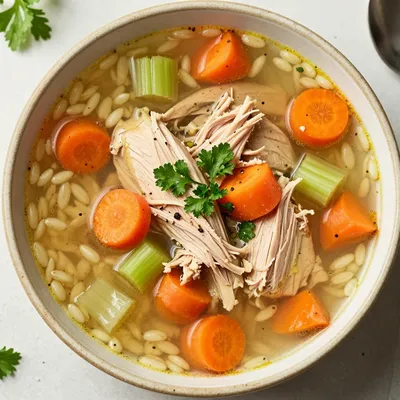
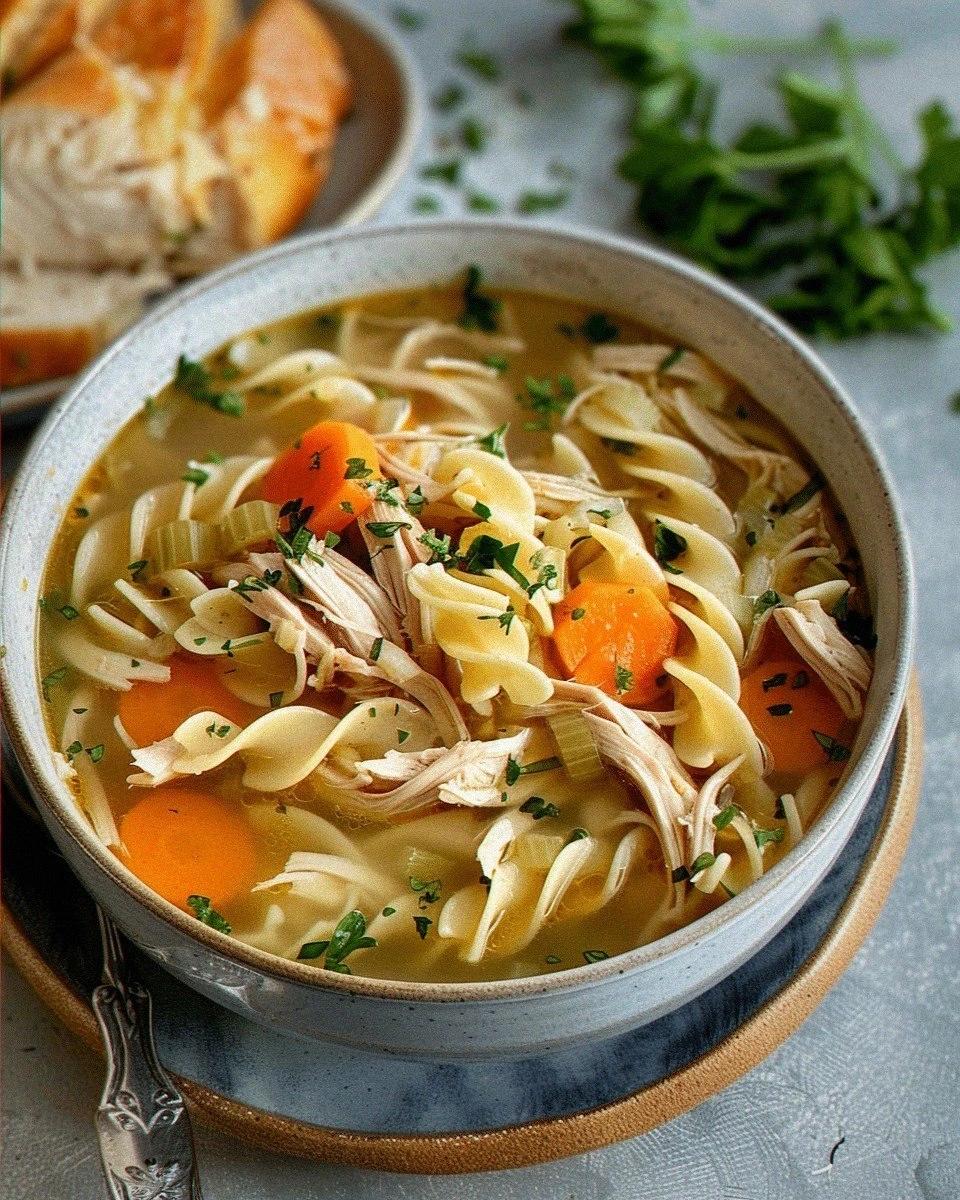
It was a crisp, early‑winter afternoon when I first learned the secret of a truly comforting bowl of chicken noodle soup. The kitchen was filled with the soft clatter of wooden spoons against a cast‑iron pot, the scent of sautéed onions and carrots rising like a warm invitation, and my grandmother’s voice humming an old folk tune in the background. I remember the moment I lifted the lid and a cloud of fragrant steam—peppery thyme, sweet celery, and the subtle richness of chicken broth—enveloped the room, making the cold outside feel like a distant memory. That instant, I realized that soup isn’t just food; it’s a hug in a bowl, a way to gather loved ones around the table and share stories while the world outside turns gray.
Since that day, I’ve refined the recipe countless times, tweaking the balance of herbs, experimenting with different noodles, and even swapping butter for olive oil when I wanted a lighter finish. Each iteration taught me something new: a splash of fresh parsley at the end brightens the flavor like a burst of sunshine, and a slow simmer lets the flavors mingle and deepen in a way that a rush‑hour boil never can. The beauty of this classic soup is its simplicity—only a handful of pantry staples, yet the result feels luxurious enough to serve at a holiday feast. Have you ever wondered why a restaurant’s chicken noodle soup tastes so different? The answer lies in the details, and I’m about to spill them all.
But wait—there’s a secret trick in step four that most home cooks overlook, and it makes the broth silkier than any store‑bought version you’ve tried. I’ll reveal that little magic later, along with a surprising ingredient that most people skip, yet it makes all the difference. Trust me, once you master this, you’ll never settle for a bland, watery broth again. The aroma alone will have your family gathering around the stove, each person waiting for that first spoonful of pure comfort.
Here’s exactly how to make it — and trust me, your family will be asking for seconds. Grab your favorite pot, gather the ingredients, and let’s dive into a cooking adventure that will fill your home with love, laughter, and the unmistakable scent of a timeless classic.
🌟 Why This Recipe Works
- Flavor Depth: The combination of sautéed aromatics—onion, garlic, carrots, and celery—creates a flavor base that is both sweet and savory, providing layers that develop as the soup simmers. This depth is what separates a good soup from a great one, ensuring each spoonful is a miniature celebration of taste.
- Texture Harmony: The tender chicken pieces, al dente noodles, and crisp‑yet‑soft vegetables create a delightful mouthfeel that keeps you interested from the first bite to the last. You’ll notice the noodles hold their shape, while the vegetables retain a slight bite, preventing the soup from turning mushy.
- Ease of Execution: With just one pot and a handful of steps, this recipe fits perfectly into a busy weekday schedule, yet it doesn’t sacrifice quality. Even if you’re a novice cook, the clear stages guide you confidently from start to finish.
- Time Efficiency: While the soup simmers, you can prep side dishes, set the table, or simply relax, making the most of the 45‑minute total time. The secret tip in step four cuts down on unnecessary waiting, giving you a richer broth without extra time.
- Versatility: Swap the noodles for rice, add a splash of lemon for brightness, or toss in some mushrooms for an earthy twist—this recipe adapts to whatever you have on hand. It’s a perfect canvas for culinary creativity.
- Nutrition Boost: Loaded with protein from chicken, vitamins from carrots and celery, and a modest amount of healthy fats, this soup is both comforting and nourishing, making it ideal for families seeking a balanced meal.
- Crowd‑Pleasing Factor: The familiar flavors of chicken noodle soup are universally loved, making it a safe bet for picky eaters, guests, and even the most discerning palate. It’s the ultimate comfort food that bridges generations.
🥗 Ingredients Breakdown
The Foundation: Broth & Base Fats
The broth is the soul of any soup, and using low‑sodium chicken broth lets you control the salt level while still delivering a rich, savory base. If you have the time, simmering homemade chicken bones with a carrot, onion, and a bay leaf for an hour will give you a broth that’s unmatched in depth. Olive oil or butter serves as the cooking medium for the aromatics; butter adds a buttery richness, while olive oil contributes a clean, fruity note that balances the overall flavor. Choose butter for a classic, velvety mouthfeel, or olive oil if you prefer a lighter, Mediterranean twist.
Aromatics & Spices: Building the Flavor Pyramid
Onion, garlic, carrots, and celery form the classic mirepoix, a cornerstone of French cooking that forms a sweet‑savory backbone for soups. Dice the onion finely so it melts into the broth, releasing its natural sugars, while the garlic adds a pungent, aromatic punch that awakens the palate. Carrots bring a subtle sweetness and a splash of orange hue, and celery contributes a crisp, slightly bitter edge that cuts through the richness. Fresh thyme offers a herbaceous, slightly piney aroma that deepens as it simmers, and bay leaves lend a whisper of earthiness that rounds out the flavor profile.
The Secret Weapons: Noodles & Chicken
Egg noodles are the traditional choice for this soup, offering a tender yet firm bite that absorbs the broth without disintegrating. If you’re gluten‑free or looking for a lower‑carb option, try shirataki noodles or spiralized zucchini for a modern spin. The chicken should be cooked, shredded, or chopped—leftover rotisserie chicken works beautifully, and it saves time while still delivering that comforting protein hit. For the ultimate flavor, consider poaching the chicken in the broth itself; this infuses the meat with the soup’s seasoned liquid, ensuring every bite is juicy.
Finishing Touches: Herbs & Garnish
A final sprinkle of fresh parsley adds a burst of bright, herbaceous flavor that lifts the entire bowl, making it feel lighter and more vibrant. Parsley also contributes a subtle peppery note that balances the richness of the broth. If you love a little heat, a pinch of red pepper flakes can be added just before serving to awaken the senses without overpowering the classic profile. Remember, the garnish is not just for looks—it’s an essential flavor component that completes the dish.
With your ingredients prepped and ready, let's get cooking. Here’s where the fun really begins...
🍳 Step-by-Step Instructions
🔐 Expert Tips for Perfect Results
The Taste Test Trick
Always taste your soup at three stages: after the aromatics have softened, after the broth has simmered with the herbs, and right before serving. This layered tasting method lets you adjust seasoning incrementally, ensuring a balanced flavor profile. I once served a batch that was a touch too salty because I only tasted at the end; now I never skip the early checks.
Why Resting Time Matters More Than You Think
Allowing the soup to rest for a few minutes off the heat lets the flavors marry, much like a good stew. During this pause, the noodles continue to absorb a little broth, becoming even more flavorful. The best part? This short wait makes the soup taste even better the next day, turning leftovers into a gourmet experience.
The Seasoning Secret Pros Won’t Tell You
A pinch of umami‑boosting ingredients—like a splash of soy sauce, a dash of fish sauce, or even a teaspoon of miso paste—can elevate the broth without making it taste Asian. I discovered this trick while cooking for a friend who is a professional chef; he was amazed at the depth of flavor and asked for the secret. Trust me on this one: a little umami goes a long way.
Noodle Timing Mastery
If you plan to reheat leftovers, undercook the noodles by one minute. This prevents them from becoming mushy when reheated. The noodles will finish cooking in the broth as you reheat, maintaining that perfect bite. I once overcooked the noodles and the soup turned into a soggy mess—lesson learned!
The Power of Fresh Herbs
Fresh thyme and parsley are not just garnish; they release essential oils that brighten the soup at the very end. Add them just before serving to preserve their volatile compounds. I’ve found that even a handful of fresh herbs can transform a decent broth into a vibrant, aromatic masterpiece.
🌈 Delicious Variations to Try
One of my favorite things about this recipe is how versatile it is. Here are some twists I've tried and loved:
Lemon‑Herb Bright Soup
Add the zest of one lemon and a tablespoon of fresh lemon juice just before serving. The citrus lifts the broth, giving it a refreshing zing that pairs wonderfully with the thyme. This version is perfect for spring lunches when you crave something light yet comforting.
Spicy Sriracha Kick
Stir in a tablespoon of Sriracha and a pinch of red pepper flakes during the final simmer. The heat adds a bold contrast to the mellow broth, making the soup feel more adventurous. I love serving this version on chilly evenings when a little fire in the bowl feels just right.
Mushroom Medley
Replace half of the chicken with sautéed wild mushrooms such as shiitake, cremini, or oyster. The earthy umami from the mushrooms deepens the broth, creating a rustic, forest‑inspired flavor. This variation is a hit with vegetarians who still want that hearty feel.
Creamy Coconut Curry
Swap half of the chicken broth for coconut milk and add a teaspoon of curry powder. The result is a silky, aromatic soup that blends Thai influences with classic comfort. Serve with a garnish of cilantro and a squeeze of lime for an exotic twist.
Gluten‑Free Zoodle Version
Use spiralized zucchini noodles (zoodles) in place of egg noodles. The zucchini absorbs the broth lightly, keeping the soup low‑carb and fresh. This is a great option for those watching carbs but still craving that comforting bowl.
📦 Storage & Reheating Tips
Refrigerator Storage
Allow the soup to cool to room temperature before transferring it to airtight containers. It will keep fresh in the fridge for up to 4 days. For best texture, store the noodles separate from the broth if you plan to reheat later; this prevents them from becoming overly soft.
Freezing Instructions
Portion the soup into freezer‑safe bags or containers, leaving a little headspace for expansion. Freeze for up to 3 months. When ready to enjoy, thaw overnight in the refrigerator, then reheat gently on the stove, adding a splash of broth or water if the soup has thickened.
Reheating Methods
Reheat on the stovetop over medium‑low heat, stirring occasionally to prevent sticking. Add a tablespoon of water or broth for every cup of soup to restore its silky consistency. If using a microwave, cover the bowl loosely and heat in 30‑second intervals, stirring in between, until steaming hot.
❓ Frequently Asked Questions
Can I use fresh chicken instead of cooked chicken?
What type of noodles work best?
How can I make the soup lower in sodium?
Can I add other vegetables?
Is it okay to use a pressure cooker?
How long can I keep the soup in the fridge before it goes bad?
Can I make this soup vegetarian?
What’s the best way to thicken the broth if I prefer it richer?
Let the soup sit for a couple of minutes off the heat; this resting period lets the flavors meld even further. While you wait, set the table, pour a glass of crisp white wine, or simply enjoy the comforting aroma that now fills your kitchen. The soup will look glossy, the noodles will be perfectly tender, and the broth will have a golden‑amber hue.
Finally, ladle the soup into bowls, ensuring each serving gets a generous portion of chicken, noodles, and vegetables. Garnish with an extra sprinkle of parsley if desired, and serve hot. Go ahead, take a taste — you’ll know exactly when it’s right. The result? A bowl of warmth that feels like a hug from the inside out.