Colorful Heart Cake: 7 Steps to Create Joyful Delight
 Save
Save
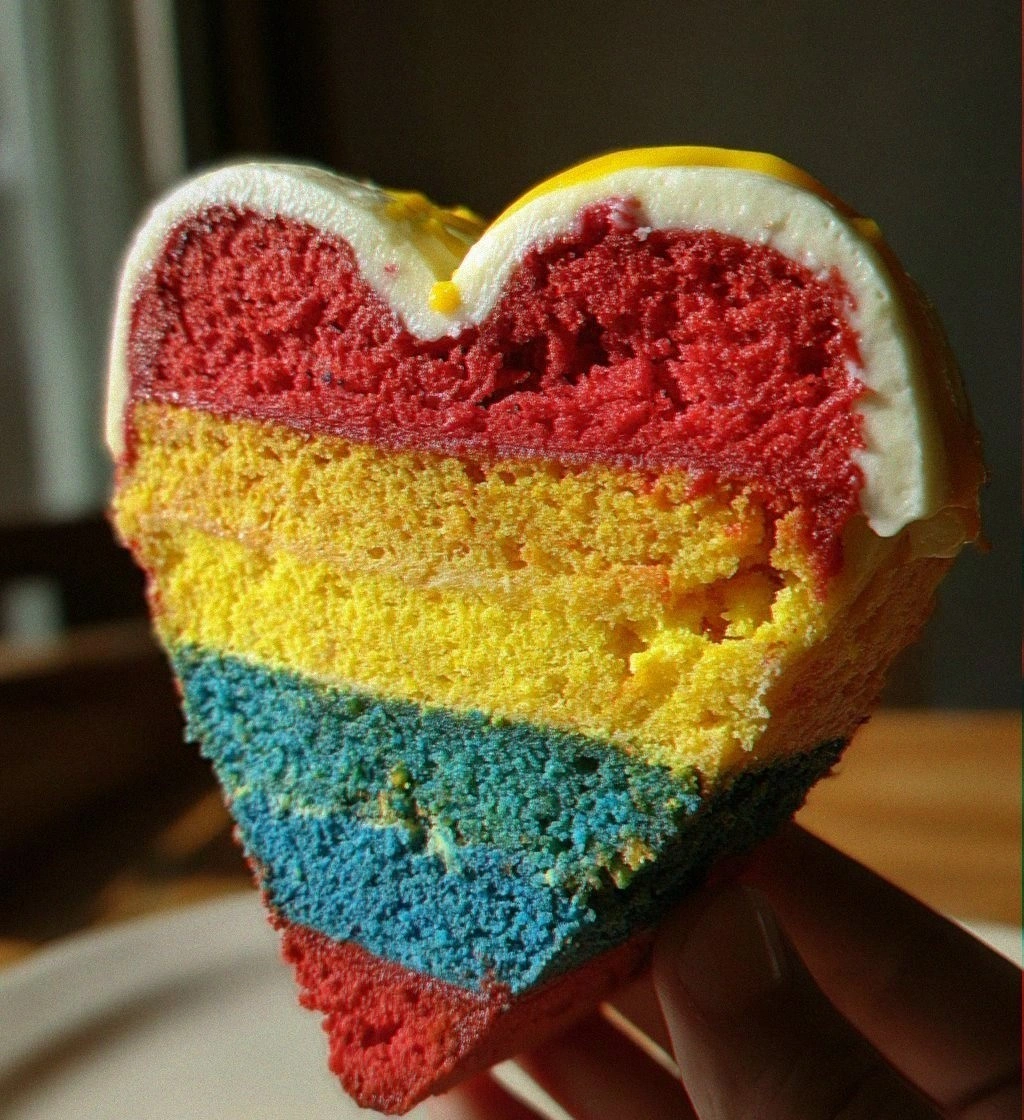
I still remember the first time I baked a heart‑shaped cake for my niece’s birthday. The kitchen was buzzing with the scent of melted butter and vanilla, and the sunlight slanted through the curtains, painting golden stripes on the marble countertop. As I poured the batter into a bright red silicone heart mold, I could feel a little flutter of excitement in my chest, like the cake itself was about to start beating. When the timer finally chimed, I lifted the lid to a cloud of fragrant steam that wrapped around me like a warm hug, and the sight of those vivid, rainbow‑streaked layers made my heart skip a beat. That moment sparked a tradition that has now become a beloved family ritual, and I’m thrilled to share it with you.
What makes this Colorful Heart Cake truly special isn’t just its eye‑catching appearance, but the way each bite delivers a symphony of flavors and textures. The crumb is buttery and tender, the frosting is light yet creamy, and the bursts of gel food coloring create a playful visual surprise that delights both kids and adults. Imagine cutting into the cake and watching the layers reveal a kaleidoscope of reds, blues, yellows, and greens—each slice feels like a celebration of joy and love. I’ve served this cake at birthday parties, anniversary dinners, and even spontaneous “just because” gatherings, and every time the reaction is the same: wide‑eyed wonder and an immediate request for seconds.
But there’s more to this recipe than just pretty colors. The secret lies in the balance of simple pantry staples and a few thoughtful techniques that elevate the cake from ordinary to unforgettable. Have you ever wondered why some homemade cakes turn out dense while others rise like clouds? The answer is in the precise combination of sifted flour, softened butter, and room‑temperature eggs, which we’ll explore in detail later. And there’s a hidden trick in step four that will make your frosting silky smooth—trust me, you’ll want to know that.
Ready to bring a burst of color and happiness to your next gathering? Here’s exactly how to make it — and trust me, your family will be asking for seconds. The journey from mixing bowl to beautifully glazed heart is as rewarding as the final bite, and I’ll walk you through every detail, from ingredient selection to storage tips. So grab your apron, preheat that oven, and let’s dive into the seven steps that will turn a simple cake into a joyful delight.
🌟 Why This Recipe Works
- Flavor Depth: The combination of pure vanilla extract and melted butter creates a rich, buttery backbone that carries the subtle sweetness without becoming cloying. Each bite feels like a warm hug, and the vanilla’s aromatic notes linger on the palate, making the cake memorable long after the last crumb.
- Texture Harmony: By using room‑temperature eggs and gently folding in the sifted flour, we achieve a tender crumb that’s airy yet moist. The cake’s interior stays soft even after it cools, thanks to the balanced ratio of fat to liquid, preventing that dreaded dry texture.
- Ease of Execution: This recipe relies on straightforward mixing methods—creaming butter and sugar, then adding eggs one at a time—so even beginners can feel confident. No fancy equipment is required; a stand mixer or a sturdy hand whisk does the trick.
- Time Efficiency: With a total time of just 45 minutes, you can whip up a show‑stopping dessert without spending the entire afternoon in the kitchen. The prep is quick, and the baking time is just long enough to develop flavor without overcooking.
- Versatility: While the base cake is a classic vanilla, the vibrant food‑coloring allows you to tailor it to any theme—whether it’s a birthday, Valentine’s Day, or a festive celebration. You can even swap the colors to match your favorite sports team or seasonal palette.
- Nutrition Balance: Using whole milk adds a touch of creaminess and calcium, while the modest sugar level keeps the sweetness pleasant without overwhelming. The recipe provides a comforting treat that fits nicely into a balanced diet when enjoyed in moderation.
- Crowd‑Pleasing Factor: The heart shape and rainbow hues instantly draw attention, making it a centerpiece that sparks conversation. Guests of all ages are intrigued, and the visual appeal often translates into a desire to taste, ensuring the cake is the star of any gathering.
🥗 Ingredients Breakdown
The Foundation: Flour & Leavening
The 2 cups of all‑purpose flour, sifted, form the structural backbone of the cake. Sifting aerates the flour, removes lumps, and ensures an even distribution of the baking powder, which is crucial for a uniform rise. If you don’t have a sifter, you can whisk the flour and baking powder together for a minute to achieve a similar effect. Using high‑quality flour gives the crumb a delicate texture that feels melt‑in‑your‑mouth.
The 2 teaspoons of baking powder act as the leavening agent, creating tiny air pockets that make the cake light and fluffy. Over‑mixing once the flour is added can develop gluten, leading to a denser texture, so stir just until combined. If you’re out of baking powder, you can substitute 1 teaspoon of baking soda plus 1 tablespoon of lemon juice, but the flavor profile will shift slightly toward a subtle tang.
Sweetness & Fat: Sugar & Butter
One cup of granulated sugar not only sweetens the cake but also contributes to the tender crumb by breaking down the gluten strands during creaming. The sugar crystals also caramelize slightly in the oven, giving the cake a faint golden hue and a delicate crunch at the crust. For a deeper flavor, you could swap half the granulated sugar for brown sugar, which adds a hint of molasses.
The 1 cup of unsalted butter, softened, is the source of richness and flavor. Softened butter incorporates air when creamed with sugar, creating a light, airy base. If you prefer a dairy‑free version, you can use a high‑quality plant‑based butter, but the taste will be slightly different.
Binding & Moisture: Eggs & Milk
Four large eggs at room temperature act as the primary binder, holding the cake together while also adding moisture and richness. Room‑temperature eggs blend more easily, preventing a curdled batter that can cause uneven texture. If you’re cooking for someone with an egg allergy, a mixture of ¼ cup of unsweetened applesauce and ¼ cup of yogurt can serve as a substitute, though the crumb will be a tad softer.
The cup of whole milk adds moisture and helps dissolve the sugar and butter, creating a smooth batter. Whole milk contributes a subtle creaminess; you could use a low‑fat milk if you’re watching calories, but the cake may be a shade less tender.
Flavor Boosters & The Secret Weapons
A single teaspoon of pure vanilla extract is the aromatic heart of this cake, delivering a sweet, floral note that rounds out the flavors. Using pure vanilla rather than imitation ensures a richer, more authentic taste that can’t be replicated by shortcuts. If you love a hint of citrus, a splash of orange zest can be added without overpowering the vanilla.
Gel food coloring (red, blue, yellow, green) is the visual star of the show. Gel colors are highly concentrated, meaning you need only a tiny amount to achieve vibrant hues, and they won’t affect the batter’s consistency. For an even more natural palette, you could experiment with beet juice, spirulina powder, or turmeric, though the colors will be softer and may alter the flavor slightly.
With your ingredients prepped and ready, let's get cooking. Here's where the fun really begins...
🍳 Step-by-Step Instructions
-
Preheat your oven to 350°F (175°C) and position the rack in the center. While the oven warms, grease a 9‑inch round cake pan and line the bottom with parchment paper; this ensures the cake releases cleanly and retains its perfect heart shape when you later cut it. The anticipation builds as the kitchen fills with the faint scent of warm metal, a signal that the magic is about to start.
-
In a large mixing bowl, combine the softened butter and granulated sugar. Using a hand mixer on medium speed, cream them together for about 3‑4 minutes until the mixture turns pale, fluffy, and triples in volume. You’ll notice the batter becomes lighter and the sweet aroma of butter begins to bloom—this is the foundation of a tender crumb.
💡 Pro Tip: Scrape down the sides of the bowl every minute to ensure every speck of butter is fully incorporated; uneven mixing can cause pockets of dense texture later. -
Add the eggs one at a time, beating on low speed after each addition. This gradual incorporation prevents the batter from curdling and keeps the mixture smooth. As each egg folds in, the batter will become glossy and slightly thicker, a sign that the emulsion is forming correctly. The kitchen now smells faintly of vanilla, promising a sweet finish.
-
Stir in the pure vanilla extract, then gently whisk in the sifted flour and baking powder until just combined. Over‑mixing at this stage can develop gluten, leading to a tougher cake, so stop as soon as you no longer see streaks of flour. The batter should look silky and slightly thick, ready to receive the colorful touch.
⚠️ Common Mistake: Adding the flour all at once can create lumps; always add it in two or three portions and fold gently. -
Divide the batter evenly into four separate bowls. Add a few drops of gel food coloring to each bowl—red, blue, yellow, and green—mixing each until the color is uniformly distributed. The batter will take on vibrant hues without changing its consistency, thanks to the gel’s low liquid content. This is the moment where the cake truly becomes a celebration of color.
-
Using a rubber spatula, gently swirl the colored batters together in the prepared pan, creating a marbled effect that resembles a sunrise of flavors. Don’t over‑mix; you want distinct ribbons of color that will bake into beautiful layers. As you swirl, you’ll hear a soft, satisfying scraping sound that signals the batter is ready for the oven.
💡 Pro Tip: For a more dramatic swirl, use a skewer or the tip of a knife to draw gentle “S” shapes through the batter before baking. -
Place the pan in the preheated oven and bake for 25‑30 minutes, or until a toothpick inserted into the center comes out clean and the edges are lightly golden. Around the 20‑minute mark, the cake will begin to rise, and you’ll notice a sweet, buttery aroma filling the kitchen—this is your cue that the transformation is almost complete.
-
Allow the cake to cool in the pan for 10 minutes, then turn it out onto a wire rack to cool completely. While it cools, the colors set and the crumb firm up, making it easier to cut into a perfect heart shape later. The cooling process also lets the flavors meld, ensuring each bite is as harmonious as the last.
-
Once fully cooled, use a heart‑shaped cookie cutter or a small knife to carve out a heart from the center of the cake. Place the heart on a serving platter, dust lightly with powdered sugar if desired, and serve with a dollop of whipped cream or a drizzle of vanilla glaze. The result is a vibrant, joyful centerpiece that will wow every guest.
⚠️ Common Mistake: Cutting the heart while the cake is still warm can cause it to crumble; always let it cool completely for clean slices.
And there you have it! But before you dig in, let me share some tips that will take this from great to absolutely unforgettable...
🔐 Expert Tips for Perfect Results
The Taste Test Trick
Before you add the food coloring, taste a spoonful of the plain batter. This helps you gauge the sweetness level and adjust if needed—perhaps a pinch more sugar or a splash of milk. Trust me, a small tweak at this stage can make a big difference in the final flavor balance. I once added an extra half‑teaspoon of vanilla after tasting, and the result was a cake that sang with a deeper, more aromatic note.
Why Resting Time Matters More Than You Think
After the cake is baked and cooled, let it rest for at least 30 minutes before slicing. This resting period allows the crumb to firm up and the moisture to redistribute evenly, preventing a crumbly slice. I’ve seen impatient bakers cut into a warm cake only to end up with a mess; patience truly pays off here. The extra half‑hour is a small price for a clean, beautiful heart slice.
The Seasoning Secret Pros Won’t Tell You
A pinch of sea salt, added to the butter‑sugar mixture, amplifies the sweetness and rounds out the flavors. It’s a subtle technique that professional bakers use to avoid overly sweet desserts. When I first discovered this, my cakes suddenly tasted more balanced, and friends commented on the “depth” they couldn’t quite name. Give it a try—you’ll notice the difference immediately.
The Frosting Finish
For an extra layer of delight, whip a simple vanilla buttercream using the same butter and sugar base, but add a splash of milk and a touch more vanilla. Spread it thinly over the heart, then sprinkle with edible glitter or tiny heart‑shaped sprinkles for a festive touch. The frosting adds a creamy contrast to the tender crumb, turning each bite into a textural adventure.
Keeping Colors Bright
If you’re using gel colors, add them after the batter is fully mixed and just before you pour it into the pan. This prevents the pigments from breaking down under prolonged mixing, preserving their vibrancy. I once mixed the colors too early, and by the time the cake was baked, the hues had dulled to pastel shades—definitely not the visual punch I was aiming for.
🌈 Delicious Variations to Try
One of my favorite things about this recipe is how versatile it is. Here are some twists I've tried and loved:
Citrus Burst Heart
Replace the vanilla extract with 2 teaspoons of orange zest and a splash of fresh lemon juice. The citrus adds a bright, tangy note that pairs wonderfully with the sweet butter base. The colors stay vivid, and the aroma becomes a fragrant, sunny blend that evokes a summer garden.
Chocolate‑Swirl Delight
Add ¼ cup of unsweetened cocoa powder to one portion of the batter before coloring, and swirl it with the vanilla‑only batter. This creates a striking chocolate‑and‑vanilla ribbon that looks as good as it tastes. The richness of the cocoa deepens the flavor profile, making it perfect for chocolate lovers.
Berry‑Infused Heart
Fold in ½ cup of fresh raspberries or blueberries into the yellow-colored batter. The berries burst during baking, releasing pockets of juicy sweetness that contrast beautifully with the buttery crumb. This variation adds a natural pink hue and a burst of fresh fruit flavor.
Spiced Autumn Heart
Introduce ½ teaspoon each of ground cinnamon, nutmeg, and a pinch of cloves into the batter before adding the colors. The warm spices give the cake a cozy, comforting vibe—perfect for a chilly evening. Pair it with a drizzle of caramel sauce for an extra indulgent touch.
Vegan Friendly Version
Swap the butter for a plant‑based margarine, use almond milk instead of dairy, and replace each egg with a “flax egg” (1 tablespoon ground flaxseed mixed with 3 tablespoons water). The texture remains tender, and the colors stay bright, proving that you don’t need animal products to create a stunning, delicious heart cake.
📦 Storage & Reheating Tips
Refrigerator Storage
Wrap the cooled heart tightly in plastic wrap or store it in an airtight container. It will stay fresh for up to 4 days, maintaining its moisture and color. If you’ve added frosting, keep it refrigerated to prevent the buttercream from softening too much.
Freezing Instructions
For longer storage, freeze the cake un‑frosted. Place the wrapped cake in a freezer‑safe bag, label with the date, and freeze for up to 2 months. To thaw, move it to the refrigerator overnight, then bring it to room temperature for an hour before serving. The flavors actually mellow slightly, giving a richer taste.
Reheating Methods
When you’re ready to serve, gently warm individual slices in the microwave for 10‑15 seconds, or place the whole cake in a preheated 300°F (150°C) oven for 10 minutes. The trick to reheating without drying it out? Add a splash of milk to the plate and cover loosely with foil; the steam keeps the crumb moist.
❓ Frequently Asked Questions
Can I use a different shape instead of a heart?
How do I prevent the food coloring from bleeding into the frosting?
Can I replace the whole milk with a non‑dairy alternative?
Is it okay to use powdered sugar instead of granulated sugar?
What’s the best way to achieve a smooth, even swirl?
Can I add a glaze or drizzle on top?
How do I store leftover cake without losing its color?
Can I make this cake gluten‑free?


Other Reader Favorites
 Breakfast
Ultimate Copycat McDonald’s Egg McMuffin Recipe
Delicious Ultimate Copycat McDonald’s Egg McMuffin Recipe
 Dinner
Cheesy Ranch Potatoes And Smoked Sausage | 6 Secrets For Cozy Flavor
Learn how to make delicious Cheesy Ranch Potatoes And Smoked Sausage | 6 Secrets For Cozy…
 Desserts
Easy Baby Lemon Impossible Pies
Delicious Easy Baby Lemon Impossible Pies
 Dinner
Clean Buffalo Chicken Salad Recipe – Healthy & Flavorful Dish
Learn how to make delicious Clean Buffalo Chicken Salad Recipe – Healthy & Flavorful Dish. Easy…