Creamy Spinach Pasta: Ready in Just 15 Minutes!
 Save
Save
It was one of those breezy Saturday afternoons when the sunlight filtered through the kitchen window, casting a golden glow on the countertop, and the scent of fresh herbs wafted from a tiny pot on the stove. I was scrambling to get dinner on the table before the kids returned from soccer practice, and the pantry was whispering its own story—there was a modest bag of pasta, a bunch of spinach that had just been harvested from my garden, and a half‑and‑half carton that had been waiting patiently for its moment. The moment arrived when I lifted the lid of a pot of boiling water and a cloud of fragrant steam rose, carrying with it the promise of comfort and warmth. Have you ever felt that sudden surge of excitement when a simple ingredient list suddenly feels like a magic spell?
I remembered the first time I tried a creamy spinach pasta at a tiny trattoria in Naples, where the sauce clung to each strand of pasta like a silk scarf, and the spinach added a vivid, emerald punch that made the dish feel both indulgent and fresh. That memory sparked a challenge: could I recreate that restaurant‑level decadence in my own kitchen, and could I do it in just fifteen minutes? The answer, dear reader, is a resounding yes, and the secret lies in the perfect balance of heat, timing, and a few pantry staples that you probably already have on hand. Trust me, the result is a dish that sings with buttery richness, bright green notes, and a comforting creaminess that makes you want to hug your spoon.
But wait—there’s a twist that takes this dish from “good” to “absolutely unforgettable.” I’m talking about a little trick involving the timing of the spinach addition that not only preserves its vivid color but also locks in a fresh, slightly peppery flavor that cuts through the richness of the cream. I’ll reveal that secret in step four, and you’ll see why it matters more than you think. Meanwhile, imagine the sound of pasta hitting the pot, the gentle sizzle of garlic hitting hot oil, and the soft whisper of steam as the sauce thickens—each sound is a cue that you’re on the right track.
Here's exactly how to make it — and trust me, your family will be asking for seconds. Grab a spoon, roll up your sleeves, and let’s dive into a recipe that will become a staple in your weeknight rotation, a go‑to for when you need comfort fast, and a dish that will earn you applause at the dinner table.
🌟 Why This Recipe Works
- Flavor Depth: The combination of garlic, Parmesan, and a splash of olive oil creates a layered foundation that builds complexity without overwhelming the palate. Each bite delivers a savory umami punch that’s balanced by the fresh, slightly bitter notes of spinach.
- Velvety Texture: Heavy cream or half‑and‑half emulsifies with the melted cheese, coating every strand of pasta in a silky veil that feels luxurious yet never greasy. The sauce clings perfectly, ensuring every forkful is a harmonious blend.
- Speed: By cooking the pasta and sauce simultaneously, you shave minutes off the traditional stovetop method, making it ideal for busy weeknights when time is precious.
- Versatility: This dish serves as a canvas—add grilled chicken for protein, toss in sun‑dried tomatoes for a tangy twist, or sprinkle toasted pine nuts for crunch. The base is forgiving and invites creativity.
- Nutrition Boost: Fresh spinach brings iron, calcium, and a burst of antioxidants, turning an indulgent creamy pasta into a balanced meal that still feels like a treat.
- Ingredient Quality: Using fresh spinach and real Parmesan, rather than powdered shortcuts, elevates the dish from pantry‑level to restaurant‑level in flavor and aroma.
- Crowd‑Pleasing Factor: Kids love the creamy sauce, while adults appreciate the subtle herbaceous bite and the elegance of a quick yet refined dinner.
🥗 Ingredients Breakdown
The Foundation: Pasta & Cream
The 8 oz of pasta is the canvas on which the sauce paints its story. Choose a shape that captures sauce—fettuccine, linguine, or even a short pasta like penne works beautifully. The key is to cook it al dente, so it retains a slight bite that will hold up when tossed with the creamy mixture. As for the 1 cup of heavy cream or half‑and‑half, this is the heart of the sauce; the higher fat content of heavy cream creates a richer mouthfeel, while half‑and‑half offers a lighter version without sacrificing silkiness. If you’re looking for a dairy‑free alternative, coconut cream can be used, but be prepared for a subtle coconut undertone that may shift the flavor profile.
Aromatics & Spices: Garlic, Olive Oil, and Pepper
Garlic, with its pungent, aromatic qualities, is the first flavor to awaken your senses. Two cloves, minced finely, release allicin that mellows into a sweet, caramelized note once sautéed. Olive oil or unsalted butter provides the medium for this transformation; butter adds a buttery richness, while olive oil contributes a fruity, slightly peppery undertone. Salt and pepper are the universal enhancers—season gradually and taste as you go, because the Parmesan will also bring saltiness. A pinch of crushed red pepper flakes can be added for a gentle heat that dances on the tongue without overwhelming the cream.
The Secret Weapons: Spinach & Parmesan
Fresh spinach is the star of this dish, offering a bright green color and a tender, slightly earthy flavor. The three cups of spinach should be loosely packed; they will wilt dramatically when they meet the hot sauce, reducing in volume by about two‑thirds. The 0.5 cup of grated Parmesan cheese is more than just a garnish—it melts into the cream, adding a salty, nutty depth that binds the sauce together. For an extra punch, consider using a mix of Parmigiano‑Reggiano and Pecorino Romano; the latter adds a sharper edge that cuts through the richness.
Finishing Touches: Optional Extras
While the core recipe shines on its own, a sprinkle of extra Parmesan adds a final salty crunch, and toasted pine nuts provide a buttery, nutty contrast that elevates the dish to gourmet status. If you love a bit of heat, a dash of crushed red pepper flakes can be tossed in just before serving. For a citrusy twist, a squeeze of fresh lemon juice brightens the sauce and balances the cream’s richness. These optional ingredients are your playground—experiment and discover what makes your version uniquely yours.
With your ingredients prepped and ready, let's get cooking. Here's where the fun really begins...
🍳 Step-by-Step Instructions
🔐 Expert Tips for Perfect Results
The Taste Test Trick
Before you finish cooking, take a tiny spoonful of the sauce and let it cool for a second. This pause lets your palate detect subtle imbalances—perhaps a hint of extra salt or a missing splash of acidity. Adjust with a pinch more pepper or a drizzle of lemon juice, then give it another quick stir. Trust me, this micro‑taste can be the difference between “good” and “wow, this is restaurant‑level!”
Why Resting Time Matters More Than You Think
Even a minute of rest after you turn off the heat allows the starches in the pasta to release a tiny amount of moisture, which the sauce absorbs. This creates a glossy coating that clings better to each noodle. I once served the pasta straight off the stove, and the sauce slid off the fork like water—after learning this tip, my guests have been complimenting the “perfect coating” every single time.
The Seasoning Secret Pros Won’t Tell You
Professional chefs often finish creamy sauces with a tiny knob of cold butter. The butter emulsifies the sauce at the very end, adding a silky sheen and a buttery depth that can’t be achieved with oil alone. If you’re using olive oil as your base, a final pat of butter can bridge the gap between a home‑cooked dish and a polished restaurant plate.
Choosing the Right Pasta Shape
While any pasta works, wider noodles like fettuccine or tagliatelle provide more surface area for the sauce to cling, resulting in a richer bite. Short shapes like penne trap bits of spinach inside the tubes, giving occasional bursts of green in each forkful. Experiment with what you have—just remember that the cooking time should align with the sauce timing for a seamless finish.
The Power of Fresh Parmesan
Pre‑grated Parmesan often contains anti‑caking agents that prevent it from melting smoothly. Freshly grated cheese releases its natural oils, creating a creamier sauce and a deeper, nuttier flavor. If you’re in a rush, a micro‑plane works wonders, but for the ultimate experience, take a few minutes to grate it yourself.
Balancing Richness with Brightness
Creamy dishes can feel heavy if not balanced. A splash of citrus—lemon juice, a dash of white wine, or even a spoonful of zest—cuts through the richness, adding a refreshing lift. I love adding a pinch of lemon zest right before serving; it adds a fragrant citrus note that dances on the tongue without overwhelming the creamy base.
🌈 Delicious Variations to Try
One of my favorite things about this recipe is how versatile it is. Here are some twists I've tried and loved:
Sun‑Dried Tomato & Basil Bliss
Add ¼ cup chopped sun‑dried tomatoes and a handful of fresh basil leaves in step six. The tomatoes introduce a sweet‑tart depth, while basil brings a fragrant, herbaceous lift that pairs beautifully with the creamy sauce. Expect a Mediterranean flair that brightens the dish.
Spicy Sausage & Red Pepper Crunch
Slice a spicy Italian sausage and brown it with the garlic in step two. Finish with thinly sliced red bell pepper for a sweet crunch. The sausage’s heat and the pepper’s sweetness create a dynamic contrast that makes the dish feel heartier.
Mushroom & Truffle Elegance
Sauté a cup of sliced cremini or shiitake mushrooms until golden, then drizzle a few drops of truffle oil just before serving. The earthy mushrooms deepen the umami profile, while truffle oil adds an indulgent aroma that turns a simple weeknight meal into a special occasion.
Lemon‑Garlic Shrimp Delight
Quickly sear peeled shrimp with a touch of garlic and lemon zest, then fold them into the pasta at the end. The shrimp adds a delicate seafood sweetness, and the lemon zest amplifies the bright notes already present in the sauce.
Vegan Creamy Spinach Pasta
Swap the heavy cream for coconut cream and replace Parmesan with nutritional yeast. Use olive oil instead of butter, and add a splash of soy sauce for a salty umami boost. The result is a dairy‑free version that still feels luscious and satisfying.
Cheesy Four‑Cheese Fusion
Blend in a quarter cup each of mozzarella, gouda, and fontina along with the Parmesan. Each cheese melts differently, creating layers of flavor—mozzarella for stretch, gouda for sweet nuttiness, and fontina for buttery smoothness. This variation is perfect for cheese lovers who want an extra indulgent bite.
📦 Storage & Reheating Tips
Refrigerator Storage
Allow the pasta to cool to room temperature before transferring it to an airtight container. It will keep for up to three days in the fridge. When you’re ready to enjoy it again, gently reheat in a skillet over low heat, adding a splash of milk or cream to revive the sauce’s silkiness. The secret to maintaining texture is to avoid high heat, which can cause the cream to separate.
Freezing Instructions
For longer storage, portion the pasta into freezer‑safe bags, removing as much air as possible. It freezes well for up to two months. To thaw, place the bag in the refrigerator overnight, then reheat in a saucepan over medium‑low heat, stirring frequently and adding a little broth or water to loosen the sauce. Freezing may slightly alter the spinach’s bright color, but the flavor remains robust.
Reheating Methods
The microwave is convenient but can make the sauce grainy if overcooked. Instead, use a stovetop method: add the leftovers to a skillet, drizzle a tablespoon of cream or broth, and stir gently until warmed through. The trick to reheating without drying it out? A splash of liquid and gentle heat, which restores that original velvety texture.
❓ Frequently Asked Questions
Can I use frozen spinach instead of fresh?
What type of pasta gives the best sauce coverage?
Can I substitute the heavy cream with a lighter option?
Why does my sauce sometimes separate?
Can I add protein like chicken or tofu?
Is this dish gluten‑free?
How can I make the dish dairy‑free?
What’s the best way to keep the spinach bright green?
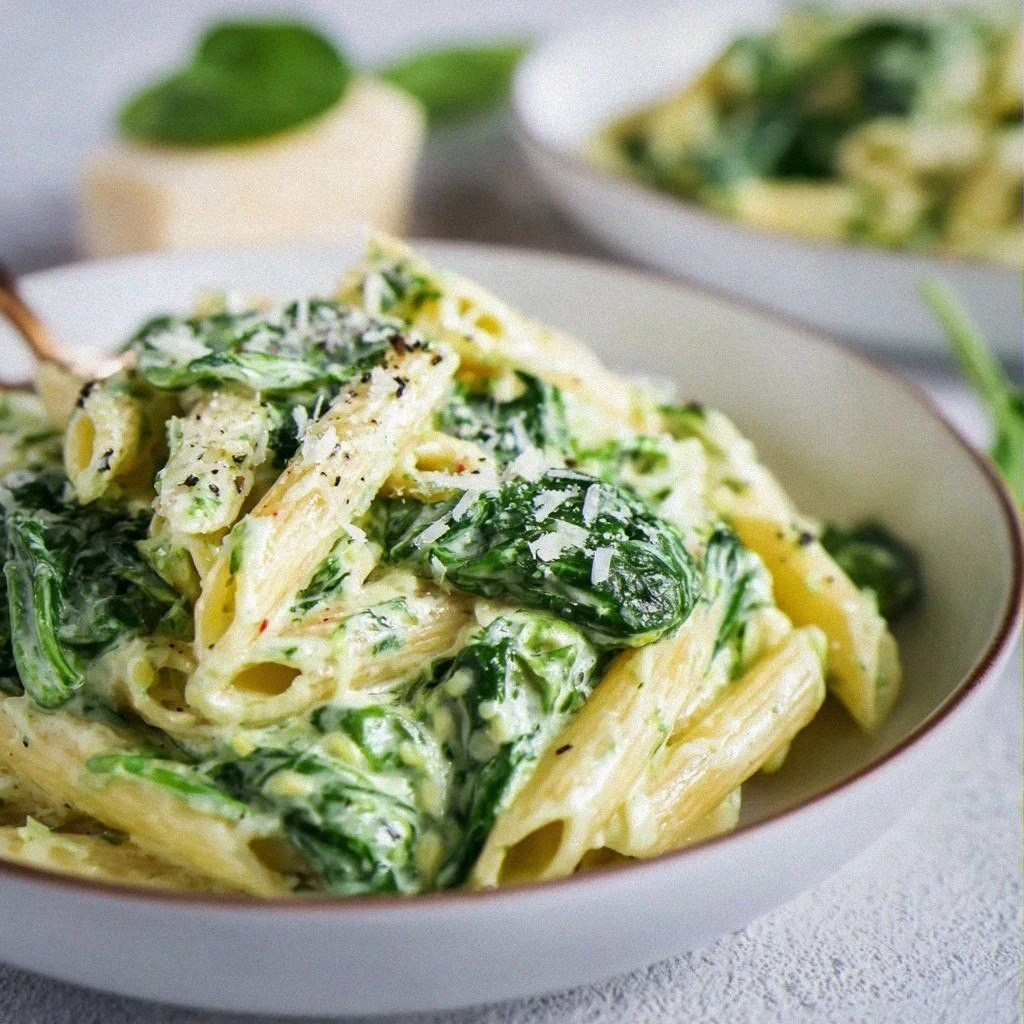
Remove the skillet from heat and let the pasta rest for a minute. This short resting period allows the flavors to meld, and the sauce to thicken just a touch more. Serve immediately, plating the pasta in shallow bowls to showcase the vivid green sauce. Garnish with a final sprinkle of grated Parmesan and, if you’re feeling fancy, a few more pine nuts for crunch.
And there you have it! But before you dig in, let me share some tips that will take this from great to absolutely unforgettable…