Delicious Strawberry Danish That’s Easy to Make at Home
 Save
Save
It was a lazy Saturday morning in early June when the first scent of fresh strawberries drifted through my kitchen, and I realized I had the perfect excuse to turn those ruby‑red jewels into something truly unforgettable. The moment I sliced the berries, a sweet perfume rose like a summer sunrise, and I could already hear the faint crackle of buttered puff pastry hitting a hot oven. I remember my grandmother’s old Danish recipe, tucked away in a yellowed notebook, and how she always whispered that the secret was “a little love and a lot of patience.” That whisper stayed with me, and today I’m sharing a version that’s both faithful to that heritage and easy enough for anyone to pull off on a weeknight.
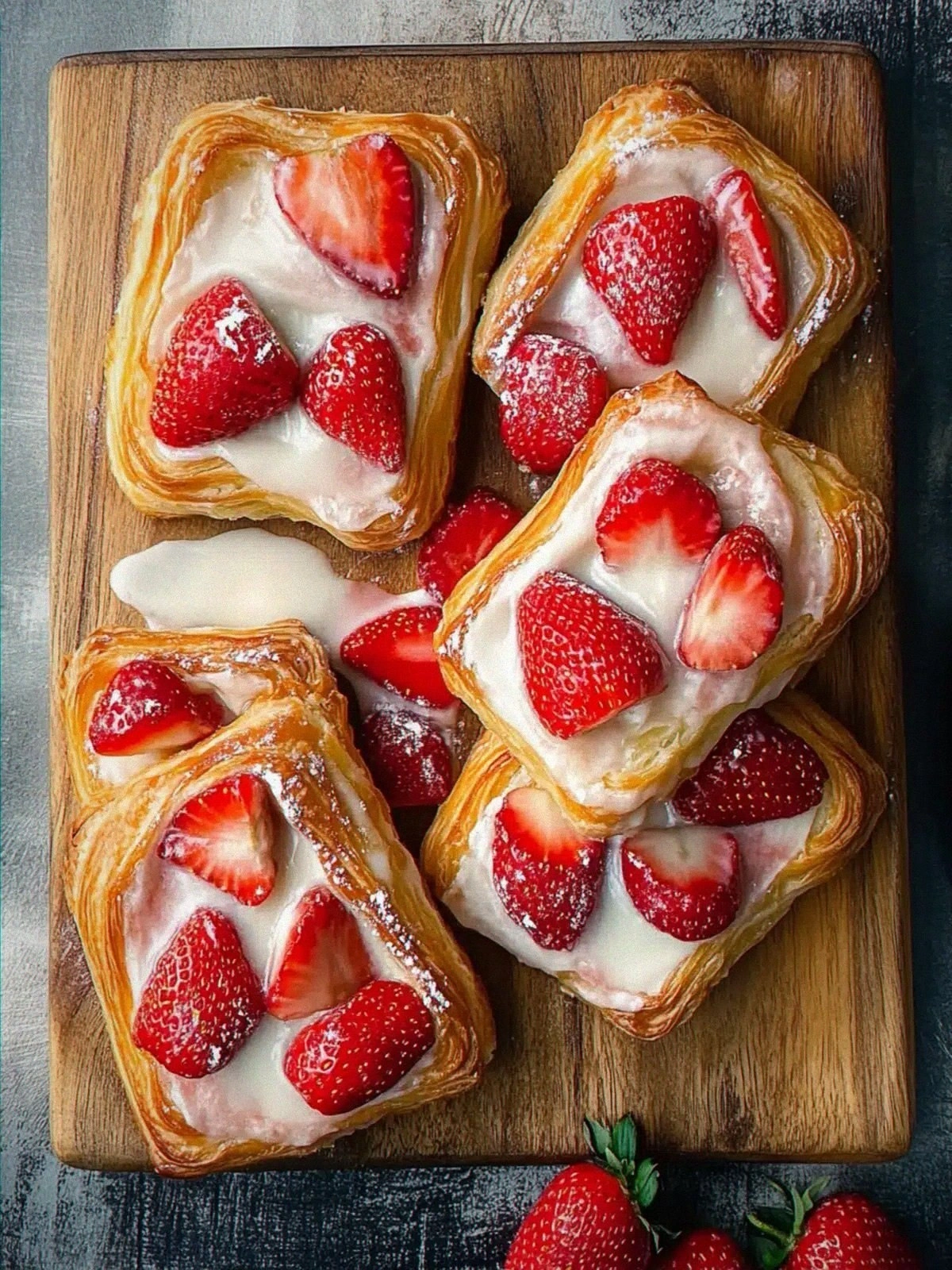
Imagine pulling a golden‑brown pastry from the oven, its layers flaky and buttery, the top glistening with a light sugar sparkle, and the center bubbling with a strawberry‑cream cheese filling that’s as smooth as silk. The first bite is a symphony: the crisp, buttery crust gives way to a tangy‑sweet cheese layer, while the strawberries burst with bright, sun‑kissed flavor, all finished with a delicate dusting of powdered sugar that melts on your tongue. It’s the kind of dessert that makes you pause, close your eyes, and feel the warmth of a sun‑lit garden even if it’s raining outside. Trust me, this isn’t just a treat; it’s a mood‑setter, a conversation starter, and a little slice of happiness you can serve on a plate.
But wait—there’s a twist that takes this Danish from good to legendary, and I’m not going to reveal it until we get to step four of the method. Have you ever wondered why the pastries at your favorite café taste so much richer than a store‑bought version? The answer lies in a handful of tiny details that most home cooks overlook, and I’m about to spill all the beans. From the precise way you seal the pastry edges to the secret glaze that gives it that irresistible shine, every nuance matters. By the end of this article, you’ll not only have a recipe you can trust, you’ll also have a toolbox of techniques that will elevate every baked good you make.
So, are you ready to roll up your sleeves, preheat that oven, and create a dessert that will have your family begging for seconds? Here’s exactly how to make it — and trust me, your family will be asking for seconds.
🌟 Why This Recipe Works
- Flavor Depth: The combination of fresh strawberries with a lightly sweetened cream cheese creates a balanced tang that cuts through the richness of the puff pastry, delivering layers of taste that linger long after the last bite.
- Texture Harmony: Flaky, buttery layers of puff pastry contrast beautifully with the silky, custard‑like filling, giving you that satisfying crunch followed by a melt‑in‑your‑mouth feel.
- Ease of Execution: Though it looks impressive, the recipe relies on store‑bought puff pastry and simple pantry staples, meaning you can achieve bakery‑level results without hours of kneading.
- Time Efficiency: With a prep time of just fifteen minutes and a bake time of thirty, you can have a stunning dessert on the table in under an hour—perfect for spontaneous gatherings.
- Versatility: The base can be swapped with other berries, stone fruits, or even a chocolate ganache, allowing you to customize it for seasonal produce or personal preference.
- Nutrition Balance: While indulgent, the recipe incorporates protein‑rich cream cheese and fruit, offering a modest boost of protein and antioxidants alongside the comforting carbs.
- Ingredient Quality: Using high‑quality butter and fresh strawberries makes a noticeable difference in flavor, ensuring each bite feels luxurious.
- Crowd‑Pleasing Factor: Its beautiful presentation and familiar flavors make it a hit at brunches, birthday parties, or a simple family dessert, winning over both kids and adults alike.
🥗 Ingredients Breakdown
The Foundation: Fresh Strawberries & Cornstarch
Four cups of sliced strawberries are the heart of this Danish, providing a burst of natural sweetness and a vivid pink hue that makes the pastry look as good as it tastes. I always recommend picking strawberries that are deep red, firm to the touch, and fragrant—these are the ones that hold their shape when cooked and release the most flavor. The tablespoon of cornstarch acts as a thickening agent, turning the juices into a glossy, jam‑like sauce that won’t water down the pastry. If you’re out of cornstarch, you can substitute an equal amount of arrowroot powder, but keep an eye on the texture; arrowroot gives a slightly clearer glaze.
The Sweeteners: Sugar & Powdered Sugar
Both granulated sugar and powdered sugar play distinct roles. The tablespoon of sugar mixed with the strawberries helps draw out their juices and balances the tartness, while the ½ cup of powdered sugar in the cream cheese filling sweetens without gritty texture. A final sprinkle of 2‑3 tablespoons of sugar on top before baking creates a caramelized crust that crackles delightfully when you bite into it. For a more nuanced flavor, try swapping half of the granulated sugar for coconut sugar—it adds a subtle caramel note that pairs wonderfully with strawberries.
The Creamy Layer: Cream Cheese, Vanilla & Powdered Sugar
Eight ounces of cream cheese, softened to room temperature, form the luxurious base of the filling. Mixing it with ½ cup powdered sugar and a teaspoon of vanilla extract yields a smooth, slightly sweet cream that contrasts the tart fruit. The vanilla not only adds depth but also rounds out the overall flavor profile, making each bite feel cohesive. If you’re looking for a dairy‑free version, try using a plant‑based cream cheese; just be sure to taste and adjust the sweetness accordingly.
The Pastry: Puff Sheets, Egg Wash & Water
Two sheets of puff pastry are the canvas for this masterpiece. They’re already laminated with layers of butter, so all you need is a quick brush of egg wash—one large egg whisked with a teaspoon of water—to give the surface a golden sheen and help the sugar topping adhere. Some bakers like to add a pinch of salt to the egg wash for a subtle flavor boost, but that’s optional. Remember, the pastry should stay cold until it hits the oven; a warm sheet can become soggy instead of crisp.
The Glaze & Finishing Touch: Strawberry Jam, Powdered Sugar, Milk & Vanilla
A quarter cup of strawberry jam is brushed over the baked pastries to add an extra layer of glossy sweetness, while a separate glaze made from 1 cup powdered sugar, ½ teaspoon vanilla extract, and 2‑3 tablespoons milk creates a silky finish that sets beautifully as it cools. This glaze is the secret that makes the Danish look bakery‑ready, and the vanilla in it ties the entire dessert together. If you prefer a tangier glaze, swap half of the milk for lemon juice; the acidity will brighten the overall flavor.
With your ingredients prepped and ready, let's get cooking. Here's where the fun really begins...
🍳 Step-by-Step Instructions
🔐 Expert Tips for Perfect Results
The Taste Test Trick
Before you seal each pastry, give the filling a quick taste. If it feels a little too tart, a pinch more powdered sugar will balance it out. I once served a batch that was a tad sour because I used very ripe strawberries, and a quick sugar adjustment saved the day. This tiny step ensures every bite hits the perfect sweet‑tart spot.
Why Resting Time Matters More Than You Think
Allowing the pastries to rest for five minutes after baking lets the steam settle, preventing the filling from oozing out when you cut into them. I learned this the hard way when a fresh batch collapsed on the plate, spilling creamy goodness everywhere. Patience here translates directly into a cleaner presentation and a more cohesive texture.
The Seasoning Secret Pros Won’t Tell You
A tiny dash of flaky sea salt on the glaze right before serving can elevate the entire flavor profile, highlighting the sweetness while adding a subtle crunch. Professional bakers often keep a pinch of salt hidden in their glaze recipes, and it makes a world of difference. Don’t be afraid to experiment with different salts—Himalayan pink or smoked varieties add unique nuances.
The Egg Wash Mastery
For a truly glossy finish, use a mixture of one whole egg and one egg yolk with a splash of milk. This richer wash gives a deeper gold color and a shinier surface. I once tried a simple egg‑water wash and found the pastries looked a bit dull; the extra yolk made all the difference.
Freezing and Re‑Baking Without Losing Flakiness
If you need to make these ahead of time, freeze the unbaked pastries on a tray, then transfer them to a zip‑top bag. When you’re ready to bake, add an extra 5 minutes to the bake time; the cold dough will create even more steam, resulting in extra‑flaky layers. This method is a lifesaver for busy holiday brunches.
🌈 Delicious Variations to Try
One of my favorite things about this recipe is how versatile it is. Here are some twists I've tried and loved:
Berry Medley Madness
Swap half of the strawberries for blueberries and a handful of raspberries. The different textures and slightly tart notes create a more complex flavor profile, while the colors turn the pastry into a rainbow of summer.
Chocolate‑Covered Delight
After baking, drizzle melted dark chocolate over the glaze and sprinkle with toasted almond slivers. The bitterness of the chocolate balances the sweet fruit, and the nuts add a satisfying crunch.
Lemon‑Infused Twist
Add a teaspoon of lemon zest to the cream cheese filling and replace the strawberry jam with a light lemon curd. The bright citrus cuts through the richness, making it a perfect springtime treat.
Nutty Caramel Crunch
Fold in a quarter cup of chopped toasted pecans into the filling, and brush the finished pastries with a caramel sauce instead of jam. The nutty caramel adds depth and a caramelized edge that feels luxurious.
Savory Sweet Fusion
For a daring brunch option, incorporate a pinch of rosemary into the cream cheese mixture and replace the strawberry jam with a thin layer of fig preserves. The herbaceous note pairs surprisingly well with the fruit’s sweetness.
📦 Storage & Reheating Tips
Refrigerator Storage
Place cooled danishes in an airtight container and store them in the fridge for up to three days. The pastry will retain most of its crispness, especially if you line the container with a paper towel to absorb any excess moisture.
Freezing Instructions
Freeze unbaked pastries on a baking sheet, then transfer to a zip‑top freezer bag. They’ll keep for up to two months. When you’re ready to bake, add an extra five minutes to the bake time and enjoy as if they were fresh‑made.
Reheating Methods
To reheat, preheat the oven to 350°F (175°C) and place the pastries on a parchment‑lined tray for about 8–10 minutes. For an extra‑crisp bottom, slide the tray onto the lower rack. If you’re in a hurry, a quick microwave for 20 seconds will warm the filling, but the pastry will lose its flakiness—so the oven is always the best choice.
❓ Frequently Asked Questions
Can I use frozen strawberries instead of fresh?
Do I have to use puff pastry, or can I make my own dough?
What can I substitute for cream cheese?
How do I prevent the pastry from getting soggy?
Can I add a glaze with a different flavor?
Is it okay to use a different type of jam for the topping?
How long can I keep the leftovers before they go bad?
Can I make this recipe vegan?
Bake for 20–25 minutes, or until the pastries are puffed, golden brown, and the sugar topping has turned a deep amber. You’ll hear a faint sigh as the steam escapes the pastry—listen for that, it’s a sign they’re done. If the tops brown too quickly, loosely tent them with foil for the last five minutes to prevent burning while still achieving that perfect puff.
While the Danish are still warm, brush each one with a thin layer of strawberry jam, allowing it to melt into the flaky crust. Then, whisk together the glaze ingredients—powdered sugar, vanilla, and milk—until smooth, and drizzle or brush the glaze over the pastries. The glaze will set as the pastries cool, creating a glossy finish that catches the light. Let the pastries rest for five minutes before serving; this short rest lets the filling settle and the glaze to firm up.
Serve the strawberry danishes warm or at room temperature, accompanied by a dollop of whipped cream or a scoop of vanilla ice cream if you’re feeling extra indulgent. The contrast between the warm pastry and the cool ice cream is pure magic. And the result? A dessert that looks as though it came from a Parisian patisserie, yet was crafted in your very own kitchen. And there you have it! But before you dig in, let me share some tips that will take this from great to absolutely unforgettable...