easy spring roll recipe: 5 reasons to love these delights
 Save
Save
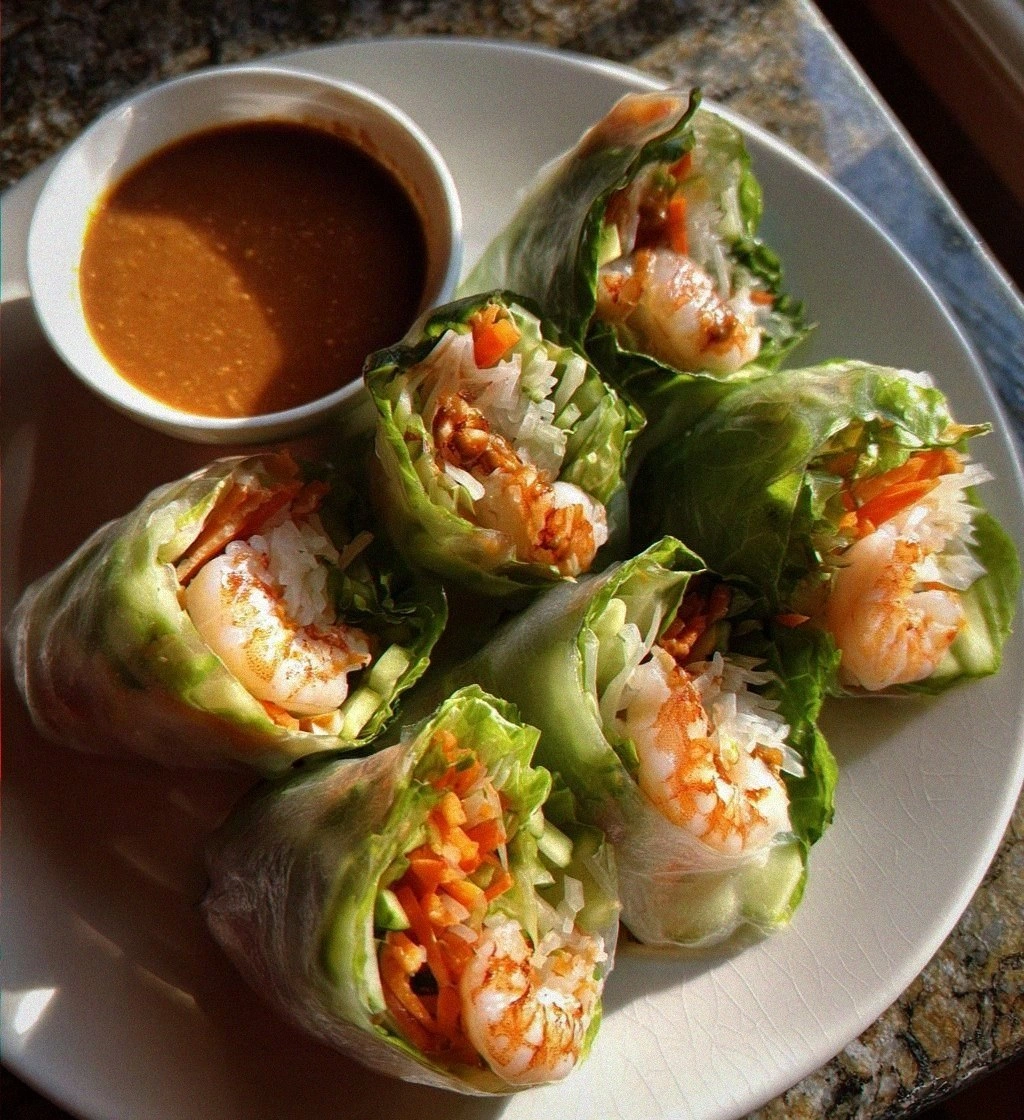
I still remember the first time I tried to roll a spring roll as a kid. The kitchen was filled with the faint hum of the refrigerator, the clink of the cutting board, and the soft rustle of rice paper as I lifted it from the warm water. When I finally managed to tuck the shrimp, lettuce, and carrots inside, the roll looked like a tiny, translucent treasure chest, and the moment I took that first bite, a burst of fresh herbs, crisp vegetables, and sweet shrimp exploded in my mouth. It was as if summer had decided to set up camp right on my tongue, and I was instantly hooked. That memory has followed me through countless dinner parties, lazy weekend lunches, and even quick weekday meals because these little rolls are a portable celebration of flavor.
What makes this recipe stand out is its perfect balance of simplicity and sophistication. You don’t need a fancy wok or a pantry full of exotic spices; just a handful of fresh ingredients and a little patience, and you’ll have a dish that feels restaurant‑quality. The rice paper wrappers are delicate enough to let the colors of the vegetables shine through, yet sturdy enough to hold everything together without tearing. And the peanut dipping sauce? It’s the kind of creamy, nutty companion that makes you want to linger over each bite, savoring the contrast between the cool crunch of cucumber and the warm, savory shrimp.
But here’s the thing: the magic doesn’t stop at the taste. These spring rolls are a canvas for creativity, a way to sneak extra veggies into your diet, and a crowd‑pleaser that looks as impressive as it tastes. Imagine serving a platter of rainbow‑colored rolls at a family gathering; the vibrant greens, oranges, and pinks will draw everyone in before they even get a whiff of the fragrant mint and cilantro. And if you’ve ever wondered why restaurant versions taste so different, the answer often lies in the tiny details—like the exact thickness of the julienned carrots or the precise moment you dip the roll into the sauce. I’ll reveal those secrets in a moment.
Now, you might be thinking, “I’ve never rolled a spring roll before—will it be too tricky?” Trust me, the learning curve is gentler than you expect, especially when you follow the step‑by‑step method I’m about to share. And the best part? Once you master the technique, you’ll be able to customize these rolls for any occasion—whether it’s a quick snack, a potluck appetizer, or a sophisticated starter for a dinner party. Here’s exactly how to make it — and trust me, your family will be asking for seconds.
🌟 Why This Recipe Works
- Flavor Depth: The combination of shrimp, fresh herbs, and a silky peanut sauce creates layers of taste that evolve with each bite, from salty ocean notes to sweet, nutty undertones.
- Texture Harmony: Crisp lettuce and crunchy carrots contrast beautifully with the soft, almost melt‑in‑your‑mouth rice paper, giving you a satisfying bite every time.
- Ease of Preparation: All components can be prepped ahead of time, so you’re essentially just assembling the rolls when you’re ready to serve.
- Time Efficient: From start to finish it takes under an hour, making it perfect for weeknight meals or last‑minute entertaining.
- Versatility: Swap shrimp for tofu, add mango for a sweet twist, or crank up the heat with sriracha—there’s a version for every palate.
- Nutrition Boost: Packed with lean protein, fresh greens, and herbs, these rolls are low in saturated fat yet high in vitamins and minerals.
- Ingredient Quality: Using fresh, high‑quality produce and properly cooked shrimp ensures each roll bursts with authentic flavor.
- Crowd‑Pleasing Factor: Their colorful appearance and interactive dipping experience make them a hit with kids and adults alike.
🥗 Ingredients Breakdown
The Foundation
The rice paper wrappers are the unsung heroes of this dish. Their translucence lets the vibrant colors of the fillings shine through, turning each roll into a miniature work of art. When selecting them, look for sheets that are uniformly thin and free of tears; they should feel almost papery to the touch. If you can’t find rice paper, you can substitute with large lettuce leaves for a low‑carb version, though you’ll lose some of the classic texture.
Protein & Crunch
Shrimp, cooked and halved, provides a delicate sweetness and a firm bite that anchors the roll. For the best flavor, poach the shrimp in a light broth with a splash of lemon juice, then chill them quickly to keep the texture firm. If you’re vegetarian, firm tofu marinated in soy sauce works just as well, but remember to press out excess moisture first.
Fresh lettuce leaves add a refreshing crunch that balances the richness of the shrimp. Romaine offers a sturdy base, while butter lettuce gives a softer mouthfeel. I always rinse lettuce in cold water and pat it dry with a kitchen towel—excess moisture can make the rice paper soggy.
Colorful Veggies
Julienned carrots and cucumbers not only bring vibrant orange and green hues but also contribute a satisfying snap. To julienne, first slice the vegetable into thin planks, then stack and cut into match‑stick sized pieces. This technique ensures each bite has a uniform crunch, preventing any single bite from feeling overly soft.
Fresh mint and cilantro are the aromatic powerhouses that elevate the roll from ordinary to extraordinary. The mint adds a cooling, almost sweet note, while cilantro provides a bright, citrusy punch. When choosing herbs, look for deep green leaves without wilting; a quick sniff should reveal a fragrant, lively scent.
The Dipping Delight
The peanut dipping sauce ties everything together with its creamy, nutty richness. If you’re short on time, a store‑bought version works fine, but a homemade blend of peanut butter, soy sauce, lime juice, honey, and a dash of chili oil offers a depth of flavor that’s hard to beat. Whisk the ingredients until smooth, then let it sit for a few minutes so the flavors meld.
With your ingredients prepped and ready, let's get cooking. Here's where the fun really begins...
🍳 Step-by-Step Instructions
Fill a large shallow bowl with warm (not hot) water—about 2 inches deep. Submerge one rice paper sheet for 10‑15 seconds, just until it becomes pliable but not soggy. You’ll notice it turning semi‑transparent; that’s the sweet spot. Gently lift it with wet hands and lay it flat on a clean, damp kitchen towel. Pro Tip: Work with one sheet at a time to prevent them from drying out on the counter.
Arrange the fillings in a line about 2 inches from the bottom edge of the wrapper. Start with a few lettuce leaves, followed by a handful of carrots and cucumber, then a couple of mint and cilantro leaves, and finally the shrimp halves. The key is to keep the filling light enough to roll without tearing. Common Mistake: Overstuffing leads to broken rolls and messy plating.
Fold the bottom edge over the filling, then fold in the sides, and finally roll upward tightly, like you would a burrito. As you roll, the rice paper will stick to itself, sealing the roll. If you feel resistance, give the roll a gentle press to help it seal. The result should be a compact, glossy cylinder that holds its shape.
Repeat the soaking and rolling process with the remaining sheets, keeping the finished rolls covered with a damp towel to maintain moisture. This is the step where patience really pays off — I once tried to rush and ended up with a few broken rolls, which turned the whole platter into a soggy mess. Take your time, and you’ll be rewarded with perfect, tight rolls.
While you’re assembling, whisk together the peanut dipping sauce ingredients in a small bowl: 1/2 cup peanut sauce, 1 tablespoon soy sauce, 1 teaspoon lime juice, a drizzle of honey, and a pinch of chili flakes. Adjust the consistency with a splash of warm water if it feels too thick. The aroma should be nutty with a subtle zing of citrus.
Arrange the completed rolls on a serving platter, seam side down, and drizzle a little extra sauce over the top for visual appeal. Garnish with a few whole mint leaves and a sprinkle of toasted sesame seeds for added texture. The colors should pop—green mint, orange carrots, pink shrimp—making the dish as beautiful as it is tasty.
Serve immediately, or cover the platter with a loose sheet of plastic wrap and refrigerate for up to two hours. The rolls stay fresh, and the flavors meld even more, creating a deeper taste experience. Go ahead, take a taste — you’ll know exactly when it’s right.
And there you have it! But before you dig in, let me share some tips that will take this from great to absolutely unforgettable...
🔐 Expert Tips for Perfect Results
The Taste Test Trick
Before sealing each roll, give the filling a quick taste. A tiny pinch of the herbs or a single shrimp bite will tell you if the seasoning needs a dash more salt or a splash of lime. I always keep a small spoon of sauce on the side for this quick check, because a well‑balanced roll tastes harmonious from the first bite to the last.
Why Resting Time Matters More Than You Think
Once all rolls are assembled, let them rest for 5‑10 minutes at room temperature. This short pause allows the rice paper to absorb a hint of moisture from the fillings, making each bite softer and more cohesive. I once served rolls straight from the assembly line, and the texture was a bit too firm; after discovering this trick, the difference was night and day.
The Seasoning Secret Pros Won’t Tell You
A splash of fish sauce or a few drops of sesame oil added to the peanut dipping sauce can elevate the flavor profile dramatically. The umami from fish sauce deepens the savory notes, while sesame oil adds a subtle nuttiness that complements the peanuts. Use these sparingly—just enough to enhance, not overpower.
Rolling Without Tears
If you find the rice paper sticking to your hands, lightly dust your fingertips with cornstarch or keep them wet. This simple adjustment prevents tearing and gives you a smoother roll. I’ve watched friends struggle with this, and a quick dip in water solved the problem instantly.
The Perfect Dipping Temperature
Serve the peanut sauce at room temperature. If it’s too cold, it becomes too thick; if it’s warm, the flavors become more pronounced. Take the sauce out of the fridge 15 minutes before serving, give it a quick stir, and you’ll have the ideal consistency for dipping.
How to Keep Rolls Fresh for a Party
If you’re preparing for a large gathering, arrange the rolls on a tray lined with parchment paper and cover them loosely with a damp kitchen towel. This prevents them from drying out while keeping them looking fresh and vibrant. I’ve used this method for birthday parties, and the rolls stayed perfectly pliable for hours.
🌈 Delicious Variations to Try
One of my favorite things about this recipe is how versatile it is. Here are some twists I've tried and loved:
Tropical Twist
Swap the shrimp for mango strips and add a handful of toasted coconut flakes. The sweet mango pairs beautifully with the nutty sauce, creating a beach‑vibe appetizer that’s perfect for summer gatherings.
Spicy Sriracha Crunch
Add a thin line of sriracha mayo inside the roll and sprinkle crushed peanuts on top. The heat from the sriracha balances the cool mint, delivering a dynamic flavor punch that will wow spice lovers.
Veggie‑Only Garden Roll
Leave out the shrimp and double the cucumber, carrot, and add thinly sliced bell pepper. Toss in some avocado slices for creaminess. This version is perfect for vegetarians and still packs plenty of texture.
Thai Basil Fusion
Replace cilantro with Thai basil and add a drizzle of fish sauce mixed with lime juice. The aromatic basil adds a sweet‑spicy note reminiscent of classic Thai street food.
Protein Power
Use grilled chicken breast strips marinated in ginger‑soy glaze instead of shrimp. The smoky chicken adds a hearty element while keeping the roll light and fresh.
📦 Storage & Reheating Tips
Refrigerator Storage
Place the rolled spring rolls in an airtight container lined with a damp paper towel. They’ll stay fresh for up to 24 hours. The moisture from the towel prevents the rice paper from drying out, preserving that perfect chew.
Freezing Instructions
If you need to make them ahead of time, freeze the rolls individually on a parchment sheet, then transfer them to a zip‑lock bag. When you’re ready to serve, let them thaw in the refrigerator for a few hours; they’ll retain most of their texture, though the fresh herbs are best added after thawing.
Reheating Methods
To warm the rolls without losing their crispness, steam them gently for 2‑3 minutes or give them a quick flash in a hot, dry skillet with a drizzle of oil. The trick to reheating without drying it out? A splash of water in the pan, covered, creates a mini‑steam environment that revives the rice paper.
❓ Frequently Asked Questions
Can I use other proteins besides shrimp?
How do I prevent the rice paper from tearing?
Can I make the peanut sauce ahead of time?
What’s the best way to julienne carrots and cucumbers?
Do I need to soak the herbs before using them?
Can I freeze the peanut dipping sauce?
How long can the assembled rolls sit out at a buffet?
What can I serve with these rolls besides peanut sauce?




Other Reader Favorites
 Dinner
Budget Ground Beef and Broccoli Stir Fry
Learn how to make delicious Budget Ground Beef and Broccoli Stir Fry. Easy recipe with step-by-step…
 Appetizers
Zesty Avocado Bliss Dip
Delicious Zesty Avocado Bliss Dip
 Dinner
Spicy Vegan Buffalo Cauliflower Tacos: A Flavorful and Satisfying Dish for Everyone
Delicious Spicy Vegan Buffalo Cauliflower Tacos: A Flavorful and Satisfying Dish for Everyone
 Desserts
Churro Cheesecake Bars: A Delightful Fusion of Flavors
Delicious Churro Cheesecake Bars: A Delightful Fusion of Flavors