Grilled Chimichurri Chicken: Juicy Thighs Bursting with Flavor
 Save
Save
The first time I fired up the grill for a backyard gathering, the sun was just beginning its slow descent, painting the sky in shades of amber and rose. I remember the sizzle of the grill grate, the faint crackle of charcoal, and the intoxicating aroma of fresh herbs being chopped on the kitchen counter. As I tossed a handful of flat‑leaf parsley into a bowl, a burst of green seemed to promise something unforgettable, and when the chicken thighs finally hit the heat, they released a perfume that made my neighbors peek over the fence, eyes wide with curiosity. That moment, when the air was thick with the scent of garlic, vinegar, and a hint of serrano heat, became the birth of a family favorite that I still return to whenever I want to celebrate simple, bold flavors.
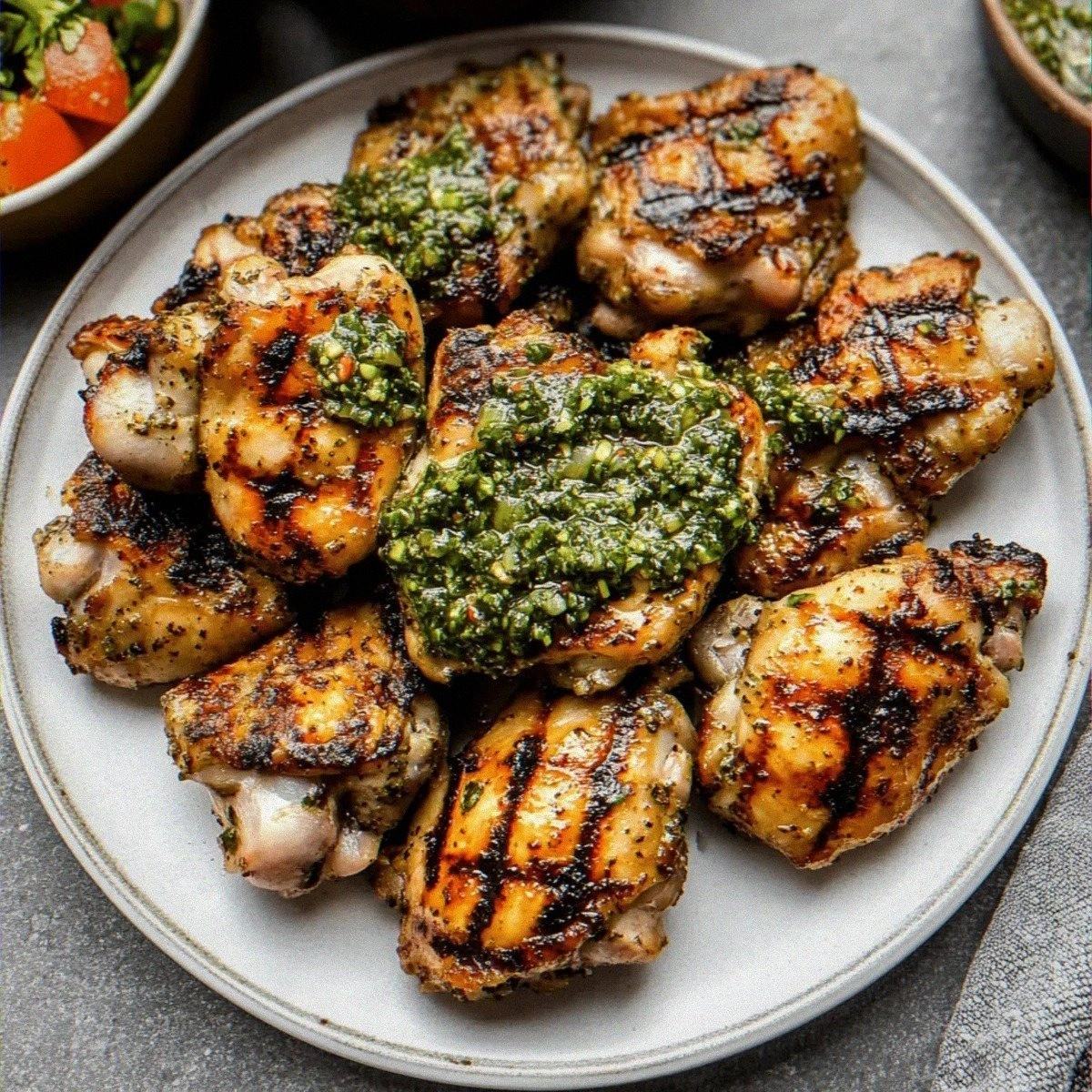
What makes this dish stand out isn’t just the grill‑kissed char or the bright green chimichurri that coats each bite; it’s the way the sauce and the meat marry in a dance of texture and taste. The chicken thighs stay juicy because the fat in the meat protects the meat fibers while the chimichurri’s acidity gently breaks them down, ensuring every bite is tender and bursting with herbaceous brightness. Imagine a forkful that first hits your palate with a fresh, grassy zing, then melts into the succulent, slightly smoky chicken, leaving a lingering warmth from the serrano that makes you smile. Have you ever wondered why restaurant versions of chimichurri chicken sometimes taste flat? The secret is in the balance of fresh ingredients and the timing of the grill, something I’ll reveal a little later in the process.
But wait—there’s a little twist that takes this recipe from good to unforgettable, and I’m not going to spill it just yet. It involves a quick trick with the vinegar that amplifies the herb flavor without making the sauce too sharp, and a tip about letting the chicken rest just long enough to lock in the juices. Trust me, once you master that, you’ll hear the same question from friends at every dinner: “What’s your secret?” The best part? This dish is flexible enough to serve as a main course for a relaxed family dinner, a star on a summer BBQ spread, or even a flavorful addition to a weekend brunch plate.
Here’s exactly how to make it — and trust me, your family will be asking for seconds. We’ll walk through the why, the how, and the little hacks that turn an ordinary grill night into a culinary celebration. Ready to dive in? Let’s start with the science behind why this recipe works so well.
🌟 Why This Recipe Works
- Flavor Depth: The combination of fresh parsley, oregano, and garlic creates a layered herb profile that’s both bright and earthy, while the red wine vinegar adds a subtle tang that lifts the richness of the chicken thighs.
- Juicy Texture: Using boneless, skinless thighs ensures a tender bite, and the brief marination in chimichurri allows the meat to absorb moisture without becoming soggy.
- Ease of Preparation: With only a handful of pantry staples and a quick 15‑minute prep, this recipe fits into a busy weeknight schedule while still delivering a restaurant‑quality experience.
- Time Efficiency: The grill cooks the chicken in about 12‑15 minutes per side, meaning you’re from prep to plate in under an hour, perfect for spontaneous gatherings.
- Versatility: Whether you serve it with a crisp salad, roasted potatoes, or tucked into a warm tortilla, the chimichurri’s bright notes complement a wide range of sides.
- Nutrition Boost: Fresh herbs bring antioxidants, while lean chicken thighs provide protein and healthy fats, making this a balanced, wholesome meal.
- Ingredient Quality: The recipe leans on fresh, high‑quality herbs and extra‑virgin olive oil, which not only taste better but also enhance the overall health profile.
- Crowd‑Pleasing Factor: The vibrant green sauce and the smoky char on the chicken make it visually appealing, and the flavor balance wins over even picky eaters.
🥗 Ingredients Breakdown
The Green Foundation
Fresh flat‑leaf parsley is the star of the show, providing a bright, slightly peppery backbone that defines chimichurri. When selecting parsley, look for deep green leaves without any yellowing or wilting; the fresher the herb, the more vibrant the sauce. If you can’t find flat‑leaf, you can substitute curly parsley, but expect a slightly different texture and a milder flavor. I always give the bunch a quick rinse, then spin it dry—any excess water will dilute the sauce and make it watery.
Aromatics & Spice Allies
Fresh oregano adds an earthy, slightly floral note that balances the sharpness of the garlic and the acidity of the vinegar. Oregano can be a bit pungent, so a little goes a long way; two tablespoons is perfect for this amount of chicken. Garlic cloves, when finely minced, bring depth and a comforting warmth that underpins the herbaceous elements. The small shallot offers a subtle sweetness that rounds out the sharpness of the garlic, while the serrano chili injects a gentle heat that lingers without overwhelming the palate.
The Secret Weapons
Red wine vinegar is the bright spark that cuts through the richness of the chicken, while the extra‑virgin olive oil binds all the flavors together, creating a silky, cohesive sauce. Sea salt and freshly ground black pepper enhance the natural flavors and help the herbs shine. A common mistake is to over‑salt; start with a teaspoon and adjust after tasting the chimichurri. The oil also helps the sauce cling to the chicken, ensuring every bite is coated in that luscious green glaze.
Finishing Touches
One pound of boneless, skinless chicken thighs provides the perfect balance of lean protein and a little fat for moisture. If you prefer dark meat, you can swap in bone‑in thighs, but you’ll need to add a few extra minutes to the grill time. For a leaner version, chicken breast works, though it can dry out faster, so keep a close eye on it. I always pat the thighs dry with paper towels before tossing them in the chimichurri; this ensures the sauce adheres and the grill sears properly.
With your ingredients prepped and ready, let's get cooking. Here's where the fun really begins...
🍳 Step-by-Step Instructions
🔐 Expert Tips for Perfect Results
The Taste Test Trick
Before you commit the sauce to the chicken, dip a spoon into the chimichurri and give it a quick taste. This is your moment to adjust seasoning—add a pinch more sea salt if it feels flat, or a few extra drops of red wine vinegar if you crave brightness. Trust your palate; it’s the most reliable gauge.
Why Resting Time Matters More Than You Think
Resting the chicken after grilling isn’t just a formality; it allows the muscle fibers to reabsorb the juices that were driven to the surface during cooking. Skipping this step can result in a dry bite, especially with thigh meat that’s naturally a bit fattier. I once served a rushed version at a family reunion and learned the hard way—never underestimate the power of a five‑minute rest.
The Seasoning Secret Pros Won’t Tell You
Professional chefs often finish grilled meats with a light spray of flavored oil—think garlic‑infused or chili‑oil—to add a glossy sheen and an extra layer of flavor. You can make a quick infused oil by gently warming olive oil with a crushed garlic clove for a minute, then straining. This subtle addition elevates the dish without overpowering the fresh chimichurri.
Grill Marks: The Visual Cue
When you see those classic crosshatch grill marks, you know you’ve achieved the perfect sear. They not only add visual appeal but also create tiny pockets where the chimichurri can caramelize slightly, adding depth. If you’re using a gas grill, rotate the thighs 90 degrees halfway through the searing time to get those iconic lines.
Balancing Heat and Herb
If you love spice, consider adding a second serrano or a pinch of smoked paprika to the chimichurri. The smoked paprika will introduce a gentle, earthy heat that complements the fresh herbs. I once added a dash of chipotle powder for a smoky kick, and it turned the dish into a crowd‑pleasing favorite at a summer potluck.
🌈 Delicious Variations to Try
One of my favorite things about this recipe is how versatile it is. Here are some twists I've tried and loved:
Citrus‑Infused Chimichurri
Add the zest and juice of one lime to the chimichurri for a bright, tropical twist. The acidity pairs beautifully with the chicken, and the lime aroma adds a refreshing finish that’s perfect for hot summer evenings.
Smoky Chipotle Chimichurri
Swap the serrano for a chipotle pepper in adobo sauce, and add a teaspoon of smoked paprika. This version brings a deep, smoky heat that makes the dish feel heartier—ideal for cooler fall nights.
Herb‑Nut Crunch
Stir in a handful of toasted, chopped almonds or pistachios into the finished chimichurri. The nuts add a pleasant crunch and a nutty richness that contrasts nicely with the tender chicken.
Mediterranean Twist
Incorporate crumbled feta cheese and a few sun‑dried tomatoes into the sauce just before serving. The salty feta and sweet tomatoes turn the dish into a Mediterranean-inspired feast, perfect with a side of couscous.
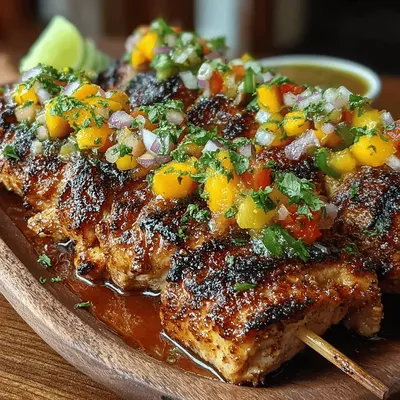
Spicy Mango Salsa
Top the grilled chicken with a fresh mango salsa—diced mango, red onion, cilantro, and a splash of lime. The sweet‑spicy combo balances the herbaceous chimichurri and adds a burst of color.
Grilled Veggie Companion
Grill thick slices of zucchini, bell pepper, and red onion alongside the chicken, then toss them in the leftover chimichurri. This creates a complete, vegetarian-friendly plate that still carries the same bold flavors.
📦 Storage & Reheating Tips
Refrigerator Storage
Store any leftover chicken and chimichurri in separate airtight containers. The chicken stays moist for up to three days, while the chimichurri can be kept for five days; the herbs stay vibrant if you press a piece of parchment paper on top to absorb excess moisture.
Freezing Instructions
For longer storage, freeze the cooked chicken thighs without the sauce. Place them in a freezer‑safe bag, removing as much air as possible. They’ll keep for up to three months. The chimichurri can also be frozen in ice‑cube trays; just thaw in the fridge and stir before using.
Reheating Methods
To reheat, preheat a skillet over medium heat, add a splash of olive oil, and warm the chicken for 3‑4 minutes per side, covering the pan briefly to retain moisture. Alternatively, reheat in a preheated oven at 350°F (175°C) for 10‑12 minutes, covered with foil. The trick to reheating without drying it out? A splash of chicken broth or a drizzle of extra‑virgin olive oil right before serving restores that juicy mouthfeel.
❓ Frequently Asked Questions
Can I use chicken breast instead of thighs?
Do I have to use a grill, or can I cook this on a stovetop?
How long can I keep the chimichurri sauce fresh?
Can I make this recipe ahead of time for a party?
What if I don’t have fresh oregano?
Is it okay to add more chili for extra heat?
Can I use a different type of vinegar?
How do I prevent the herbs from turning bitter?
While the chicken rests for 5 minutes—this is essential to let the juices redistribute—give the remaining chimichurri a quick stir. If it looks a bit thick, drizzle in a splash of extra‑virgin olive oil or a teaspoon of warm water to loosen it up. The rest period also gives you a chance to prepare your serving platter, whether it’s a rustic wooden board, a bright ceramic plate, or a simple salad bed.
Slice the rested chicken thighs against the grain into generous strips, then arrange them on your chosen serving surface. Drizzle the fresh chimichurri liberally over the top, letting the green sauce pool around each piece. The contrast of the smoky, caramelized edges with the bright herb sauce is what makes this dish unforgettable. Serve immediately with a side of grilled vegetables, crusty bread, or a light quinoa salad.
And there you have it! But before you dig in, let me share some tips that will take this from great to absolutely unforgettable. A final sprinkle of flaky sea salt just before serving adds a pleasant crunch, and a squeeze of fresh lemon juice can brighten the flavors even more if you like a citrus kick. Trust me on this one: the little details are what turn a good dinner into a memorable experience.