Homestyle Zucchini Nut Cake
 Save
Save
It was a crisp Saturday morning in early spring, the kind of day when the garden is still waking up and the kitchen smells like fresh earth and promise. I remember pulling a handful of bright green zucchini from the soil, the sun dappling the leaves, and feeling that familiar thrill of turning a humble vegetable into something comforting. As I grated those zucchinis, the kitchen filled with the soft, slightly sweet scent of raw greens, and I thought, “What if I could capture that garden freshness in a cake that feels like a hug?” The idea sparked a little experiment that turned into a family favorite, and the result is the Homestyle Zucchini Nut Cake you’re about to discover.
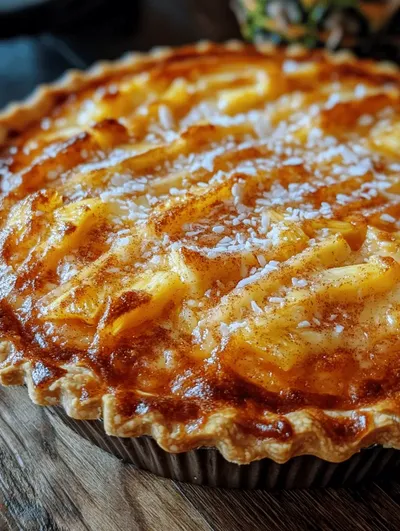
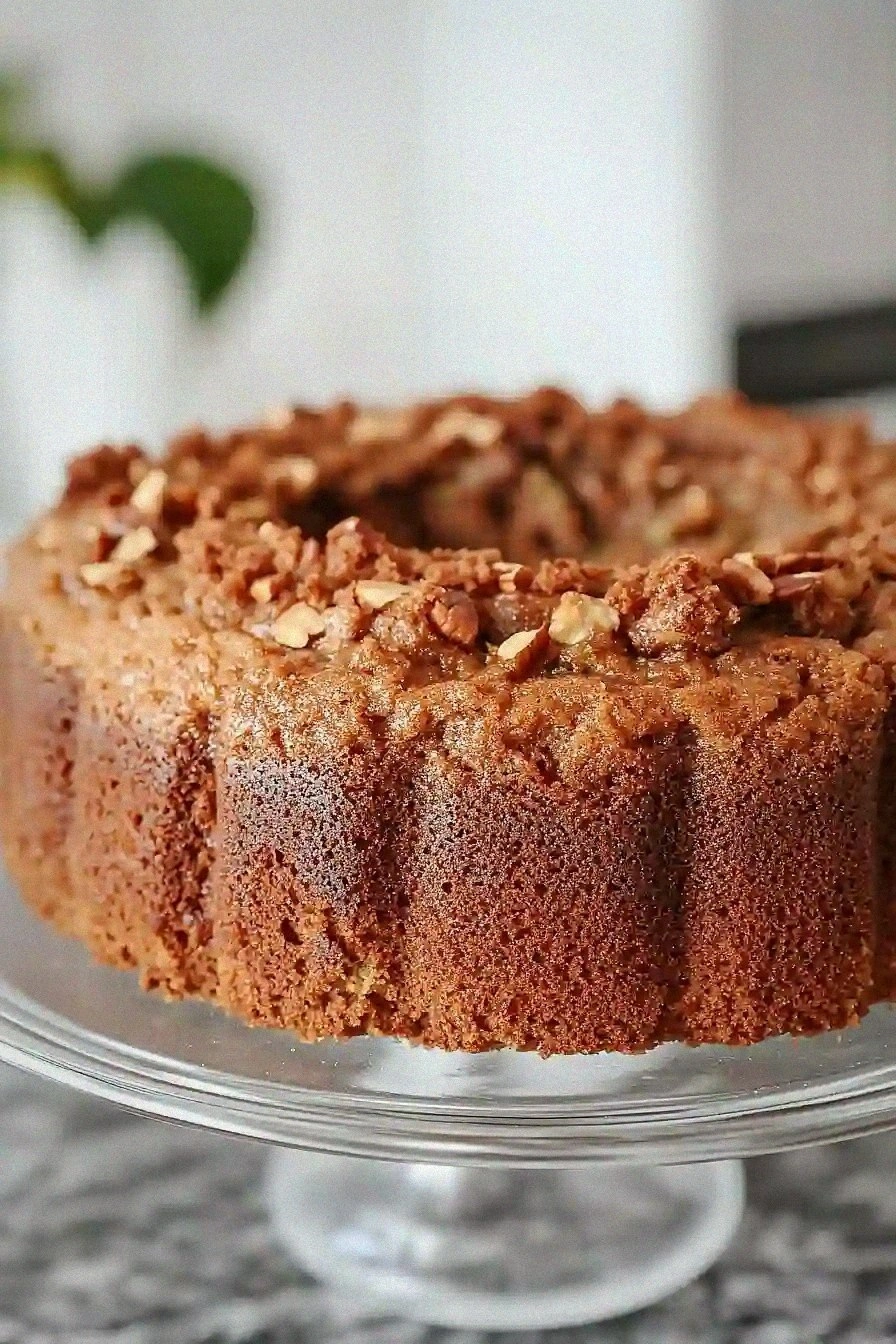
When the batter finally meets the heat of the oven, the moment the lid lifts reveals a cloud of fragrant steam that carries notes of cinnamon, nutmeg, and toasted walnuts. Imagine that warm, buttery aroma mingling with the subtle earthiness of zucchini, creating a scent that makes you want to dive right in. The cake’s crumb is moist yet sturdy enough to hold a generous swirl of caramelized walnut topping, and each bite delivers a delightful contrast between soft, spiced cake and crunchy nutty bits. The secret? A blend of two fats— butter and shortening— that gives the cake a tender crumb while keeping the edges perfectly crisp.
But wait, there’s a twist that elevates this humble cake from everyday dessert to a show‑stopper at any gathering. I’ll reveal a little-known technique for caramelizing the walnut topping that adds a glossy, deep‑amber finish and a burst of flavor you won’t find in any store‑bought mix. Trust me, once you taste that caramelized crunch, you’ll understand why this recipe has earned a permanent spot on my Sunday table. And the best part? The ingredients are all pantry‑friendly, meaning you can whip up this cake even when the grocery store is a distant memory.
Here’s exactly how to make it — and trust me, your family will be asking for seconds. From the moment you start prepping the zucchini to the final drizzle of buttery glaze, I’ll walk you through each step, sprinkle in a few pro tips, and even share some creative variations for those moments when you want to experiment. So grab your apron, preheat that oven, and let’s dive into the delightful world of Homestyle Zucchini Nut Cake.
🌟 Why This Recipe Works
- Flavor Depth: The combination of warm spices—cinnamon, nutmeg, and allspice—creates a layered flavor profile that deepens as the cake cools, ensuring each bite feels richer than the last.
- Moisture Balance: Grated zucchini releases just enough moisture to keep the crumb tender without making it soggy, while the dual fats lock in that moisture for a melt‑in‑your‑mouth texture.
- Texture Contrast: The caramelized walnut topping adds a satisfying crunch that plays off the soft interior, delivering a multi‑sensory experience that keeps you reaching for more.
- Ease of Preparation: Most of the steps involve simple mixing and folding, making this cake approachable for both novice bakers and seasoned chefs looking for a reliable crowd‑pleaser.
- Time Efficiency: With a total time of just 45 minutes, you can have a freshly baked cake ready for an impromptu tea party or a last‑minute dessert without sacrificing flavor.
- Versatility: The base cake is a perfect canvas for endless variations—add dried fruit, swap nuts, or introduce a citrus zest for a fresh twist.
- Nutrition Boost: Zucchini sneaks in vitamins A and C, while walnuts contribute heart‑healthy omega‑3 fatty acids, making this treat a little kinder to your body.
- Crowd‑Pleasing Factor: Its warm, familiar spices and subtle sweetness appeal to both kids and adults, ensuring it’s a hit at any gathering, from birthday parties to cozy family dinners.
🥗 Ingredients Breakdown
The Foundation
The base of this cake starts with regular flour, which provides structure without overwhelming the delicate zucchini flavor. At 2 ½ cups, it creates a sturdy yet tender crumb. If you’re looking for a gluten‑free version, a 1‑to‑1 swap with a blend of rice flour, tapioca starch, and potato starch works beautifully, though you may need a touch more xanthan gum to keep the texture light. Choosing a high‑quality, unbleached flour ensures a subtle, nutty undertone that complements the spices.
A modest teaspoon of salt isn’t just about seasoning; it amplifies the sweetness of the sugars and balances the richness of the butter and shortening. Don’t be tempted to cut it out—without that pinch of salt, the cake can taste flat, especially when paired with the sweet toppings. Look for fine sea salt for even distribution throughout the batter.
Aromatics & Spices
Cinnamon powder at one teaspoon brings a warm, comforting note that’s instantly recognizable in home‑baked treats. It also pairs beautifully with the earthiness of zucchini, creating a harmonious flavor bridge. If you love a deeper spice, a dash of smoked paprika can add an unexpected depth without overpowering the sweet profile.
Nutmeg and allspice, each at a half‑teaspoon, add a subtle, slightly sweet heat that lingers on the palate. These spices are what turn a simple cake into something that feels festive year‑round. Freshly grated nutmeg yields a brighter flavor than pre‑ground, so keep a small microplane on hand for the best results.
The Secret Weapons
Butter and vegetable shortening work together to create a perfect crumb. Butter contributes flavor and a rich, creamy mouthfeel, while shortening adds stability and helps the cake rise evenly. If you prefer an all‑butter version, increase the butter to three‑quarters cup and add a tablespoon of olive oil for extra moisture.
Granulated sugar and brown sugar (both one cup each) create a balanced sweetness. The brown sugar, with its molasses content, deepens the color and adds a caramel undertone that pairs wonderfully with the walnut topping. For a less sweet version, you can reduce the granulated sugar by a quarter cup without compromising texture.
Eggs act as the binding agent, providing structure and lift. The three large eggs in this recipe are enough to hold everything together while keeping the cake light. If you’re cooking for someone with an egg allergy, try using a flax‑egg mixture (1 tablespoon ground flaxseed + 3 tablespoons water per egg) for a similar binding effect.
Finishing Touches
Walnuts are the star of the topping, providing a crunchy contrast and a dose of healthy fats. The recipe calls for both chopped walnuts in the batter and a larger quantity for the caramelized topping, ensuring you get that nutty crunch in every bite. If you prefer a milder flavor, try pecans or toasted almonds as a substitute.
Butter for the topping (¼ cup) melts into the sugars and nuts, creating a glossy, caramel‑like glaze that sets as the cake cools. This step is where the magic happens—once the topping hardens, it forms a thin, crackly crust that adds both texture and visual appeal. For a vegan version, replace the butter with coconut oil; the flavor will shift slightly, but the texture remains delightful.
With your ingredients prepped and ready, let's get cooking. Here's where the fun really begins, and I promise you’ll discover a few insider tricks that turn a simple cake into a legendary family favorite.
🍳 Step-by-Step Instructions
🔐 Expert Tips for Perfect Results
The Taste Test Trick
Before you bake, take a tiny spoonful of the batter and taste it. This is your chance to adjust the sweetness or spice level before the heat locks everything in. I’ve found that a pinch more cinnamon or a drizzle of maple syrup can elevate the flavor profile dramatically. Trust your palate; it’s the best gauge for a perfect cake.
Why Resting Time Matters More Than You Think
After the cake has cooled, let it rest for at least 30 minutes before slicing. This rest period allows the moisture from the zucchini to redistribute, preventing a dry crumb. I once sliced my cake straight out of the oven and learned the hard way that the interior was still a bit gummy. Patience pays off with a uniformly moist slice every time.
The Seasoning Secret Pros Won’t Tell You
A dash of sea salt on the caramelized walnut topping just before it sets can heighten the sweetness and add a subtle pop that makes the flavors sing. This technique is a favorite among pastry chefs who want to balance sweet and savory without adding extra ingredients. Sprinkle the salt while the topping is still glossy for the best adherence.
The Perfect Pan Choice
A springform pan is ideal because it allows you to release the cake without turning it upside down, preserving the delicate walnut crust. If you don’t have one, a regular 9‑inch cake pan lined with parchment paper works, but be gentle when removing the cake. The parchment acts as a safety net, preventing the crust from cracking.
How to Keep the Walnut Topping Crunchy
Store any leftover cake in an airtight container with a sheet of parchment between the cake and the lid. This prevents moisture from the cake from softening the topping. If you notice the topping losing its crunch after a day, a quick blast in a 300°F oven for 5 minutes restores that satisfying snap.
Adjusting Sweetness Without Sugar
If you’re watching sugar intake, replace half of the granulated sugar with a natural sweetener like coconut sugar or a blend of erythritol and stevia. The flavor will stay balanced, and the caramelization of the topping will still occur thanks to the brown sugar’s molasses. I’ve experimented with this substitution and was pleasantly surprised by the result.
🌈 Delicious Variations to Try
One of my favorite things about this recipe is how versatile it is. Here are some twists I’ve tried and loved:
Citrus Zest Surprise
Add the zest of one orange or lemon to the batter for a bright, fragrant lift. The citrus cuts through the richness, making the cake feel lighter and perfect for spring brunches. Pair it with a drizzle of citrus‑infused honey for an extra zing.
Chocolate Walnut Fusion
Stir in ½ cup of dark chocolate chips into the batter and sprinkle a few on top of the walnut glaze before baking. The melted chocolate pockets create pockets of indulgence that complement the nutty topping beautifully. This version is a hit with kids who love a hidden chocolate surprise.
Apple‑Cinnamon Delight
Replace half of the grated zucchini with grated apples and increase the cinnamon to 1½ teaspoons. The apples add a natural sweetness and a subtle tartness that pairs wonderfully with the walnuts. This variation feels like a fall comfort cake, perfect for cozy evenings.
Spiced Pumpkin Twist
Swap the zucchini for an equal amount of canned pumpkin puree and add a pinch of ground cloves. The pumpkin adds a velvety texture and a warm, autumnal flavor that’s perfect for holiday gatherings. Top with a swirl of cream cheese frosting for an extra festive touch.
Nut‑Free Coconut Version
If you need to avoid nuts, substitute the walnuts with toasted coconut flakes. The coconut brings a tropical crunch and a subtle sweetness that works well with the spices. Use coconut oil in the topping for a fully nut‑free, dairy‑light option.
Savory Herb Infusion
For a daring savory twist, reduce the sugars by half and add 1 tablespoon of finely chopped rosemary and a pinch of smoked paprika. The result is a sweet‑savory cake that pairs beautifully with a sharp cheddar cheese platter. It’s an unexpected appetizer that will wow your guests.
📦 Storage & Reheating Tips
Refrigerator Storage
Store the cooled cake in an airtight container in the fridge for up to 4 days. Place a sheet of parchment paper over the top before sealing to keep the walnut crust from getting soggy. When you’re ready to serve, let the cake sit at room temperature for 20 minutes to bring back its softness.
Freezing Instructions
Wrap the cake tightly in plastic wrap, then a layer of aluminum foil, and freeze for up to 2 months. The freezer protects the delicate crumb and the caramelized topping. To thaw, move the cake to the fridge overnight, then bring it to room temperature before serving. The trick to reheating without drying it out? A splash of milk brushed lightly over the surface before a quick 5‑minute warm‑up in a 300°F oven.
Reheating Methods
For a quick warm slice, microwave a single piece for 15‑20 seconds, covering it with a damp paper towel to retain moisture. For a more even reheating, place a slice on a baking sheet and warm it in a 350°F oven for 8‑10 minutes. The walnut topping will regain its crispness, and the interior will become soft and fragrant again.
❓ Frequently Asked Questions
Can I use a different type of nut for the topping?
What if I don’t have vegetable shortening?
Can I make this cake gluten‑free?
How do I prevent the cake from sinking in the middle?
Can I add dried fruit to the batter?
Is it okay to use a regular cake pan instead of a springform?
Can I make this cake vegan?
How long can I keep the cake fresh at room temperature?
Pour the walnut topping over the batter, using a spatula to spread it evenly. The topping should sit on the surface, not mix into the batter—this creates that signature crackly crust once baked. Place the springform pan on the middle rack of the oven and bake for 30‑35 minutes, or until a toothpick inserted near the center comes out clean and the top is a deep golden brown.
While the cake bakes, the kitchen will be filled with an intoxicating aroma of spices and toasted nuts. When the timer dings, remove the cake and let it cool in the pan for 10 minutes before releasing the springform. This brief rest helps the cake set, preventing it from falling apart. Finally, transfer the cake to a wire rack to cool completely; the topping will harden into a delightful crackle as it cools.
Serve the cake warm or at room temperature, perhaps with a dollop of lightly sweetened whipped cream or a drizzle of honey for extra decadence. Go ahead, take a taste — you’ll know exactly when it’s right: the crumb should be moist, the topping glossy, and the flavors perfectly balanced. And the result? A cake that feels both nostalgic and brand‑new, ready to become a staple in your family’s dessert rotation.