Italian Almond-Orange Cookies – Soft, Chewy Citrus Almond Treats
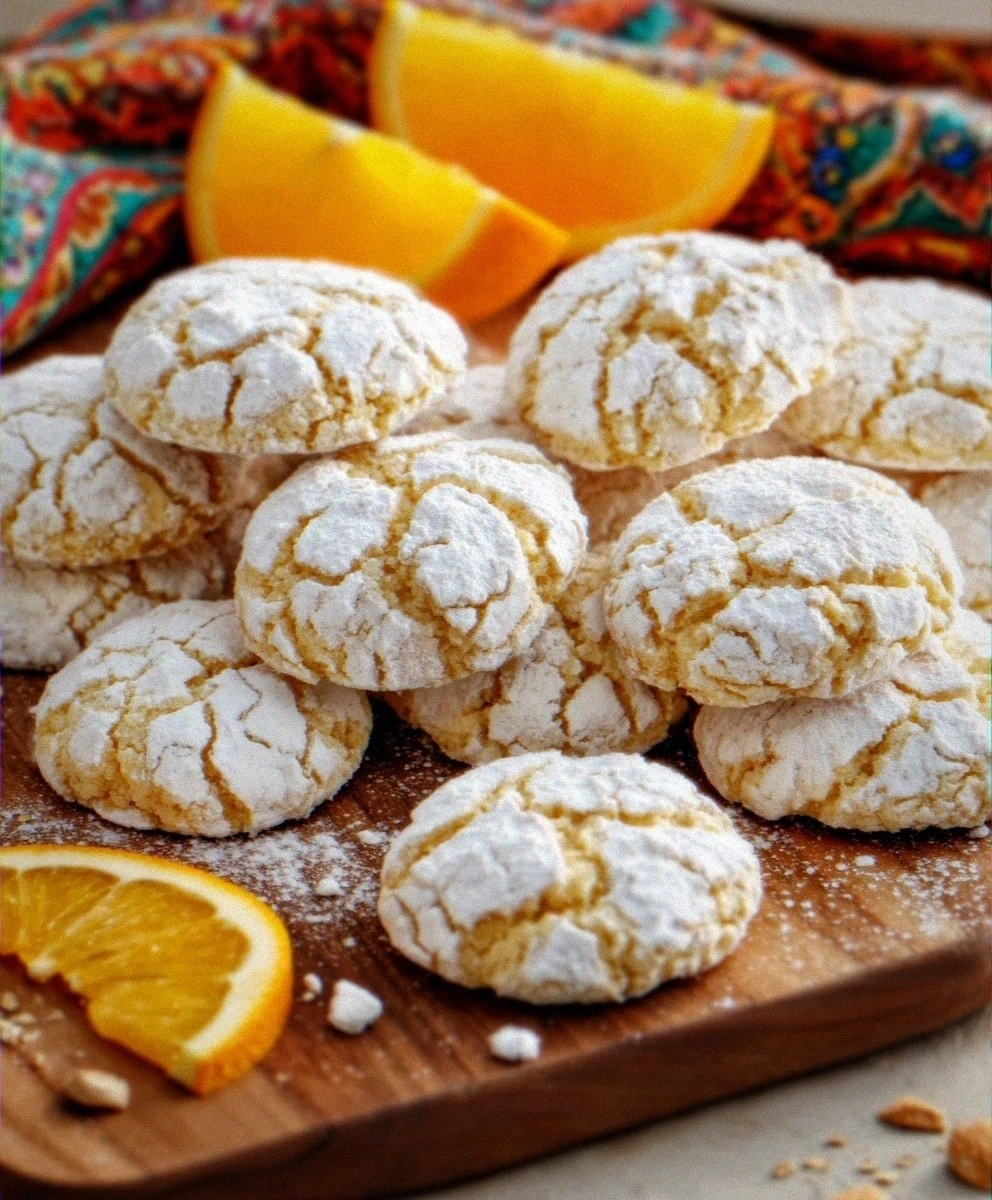 Save
Save
It was a crisp autumn afternoon when I first stumbled upon the secret of Italian almond‑orange cookies, a treat that has since become the centerpiece of every family gathering. I was visiting my nonna’s stone‑cobbled kitchen in the hills of Tuscany, and the air was thick with the perfume of fresh oranges being zest‑rind into a wooden bowl while the fire crackled in the hearth. The moment the batter hit the wooden spoon, a warm, nutty aroma rose like a promise, and I could swear the whole house seemed to inhale in unison. That first bite—soft, chewy, with a bright citrus zing that danced against the buttery almond backdrop—was a revelation, and I’ve been chasing that exact balance ever since I set foot in my own kitchen.
What makes these cookies stand out isn’t just the flavor; it’s the texture that feels like a cloud‑kissed almond dream, yet holds together enough to dip into a cup of espresso without crumbling. The secret lies in the delicate marriage of finely ground almond flour and a splash of orange juice that keeps the interior moist, while a brief bake creates a lightly crisp edge that sings with caramelized sugar. Imagine the bright, sunny notes of an Amalfi orange mingling with the earthy depth of toasted almonds, all wrapped in a buttery hug that melts on your tongue—this is the experience we’re after. But wait, there’s a hidden trick that elevates the chewiness to a whole new level, and I’ll reveal it in step four of the instructions.
If you’ve ever wondered why store‑bought almond cookies often taste flat or overly sweet, the answer usually lies in the lack of fresh zest and the use of low‑quality almond flour that’s more like a gritty sand than a silky powder. In this recipe, every ingredient is chosen with intention, from the zest of a ripe, fragrant orange to the extra‑virgin olive oil that adds a subtle fruitiness without overpowering the delicate flavors. The result is a cookie that feels like a slice of sun‑kissed Italian countryside, perfect for a quiet afternoon tea or a festive holiday platter. And the best part? You don’t need a professional pastry chef’s toolkit—just a few pantry staples and a love for sharing sweet moments.
Here’s exactly how to make it — and trust me, your family will be asking for seconds, thirds, and maybe even a whole batch for later. As you follow along, keep an eye out for the little cues that tell you when the dough is ready, when the cookies have reached that perfect golden‑brown hue, and how to store them so they stay soft for days. By the end of this article, you’ll not only have a batch of irresistible cookies but also a handful of insider tips that will make you the undisputed hero of any dessert table. Ready to dive in? Let’s get started.
🌟 Why This Recipe Works
- Flavor Depth: The combination of fresh orange zest and almond extract creates a layered taste that evolves from bright citrus to warm, nutty undertones as you chew. Each bite reveals a new nuance, keeping the palate engaged from start to finish.
- Texture Harmony: The use of almond flour alongside a modest amount of all‑purpose flour yields a soft, chewy interior while the edges become delicately crisp, offering a satisfying contrast that most cookie recipes lack.
- Ease of Execution: With only a handful of steps and common kitchen tools, even a beginner can achieve bakery‑level results without the need for special equipment or advanced techniques.
- Time Efficiency: From prep to finish, the entire process takes under an hour, making it ideal for spontaneous gatherings or last‑minute dessert cravings.
- Versatility: These cookies shine on their own, but they also pair beautifully with whipped cream, a drizzle of dark chocolate, or a scoop of vanilla gelato for an elevated treat.
- Nutrition Boost: Almond flour adds healthy fats, protein, and a dose of vitamin E, turning an indulgent snack into a slightly more nutritious option without sacrificing flavor.
- Ingredient Quality: By emphasizing fresh orange zest and high‑quality almond flour, the recipe avoids artificial flavors, ensuring an authentic Italian taste that feels both rustic and refined.
- Crowd‑Pleasing Factor: The bright citrus notes and subtle sweetness make these cookies a hit with both kids and adults, perfect for parties, picnics, or a quiet night in.
🥗 Ingredients Breakdown
The Foundation
Almond flour is the heart of this cookie, providing a buttery richness and a tender crumb that you simply can’t achieve with regular flour alone. Choose a finely ground, blanched almond flour for the smoothest texture; if you opt for a coarser grind, the cookies will feel grainy and lose that melt‑in‑your‑mouth quality. All‑purpose flour is added in a modest amount to give the dough enough structure to hold its shape while still allowing the almond flavor to dominate. For a gluten‑free version, you can substitute the all‑purpose flour with a 1:1 gluten‑free blend, but be aware that the texture may be slightly denser.
Aromatics & Spices
Fresh orange zest is the star aromatic, releasing essential oils that brighten the entire flavor profile. When zesting, aim for the thin, colored part of the peel and avoid the white pith, which can add bitterness. A splash of orange juice not only intensifies the citrus punch but also contributes moisture, keeping the cookies soft and chewy. Finally, a dash of almond extract amplifies the nutty depth, creating a harmonious balance between the two main flavors.
The Sweeteners
Granulated sugar provides the classic sweet crunch, while a tablespoon of honey (optional) adds a subtle floral note and helps with browning. If you prefer a less sweet cookie, you can reduce the sugar by ¼ cup without compromising the texture. The sugar also caramelizes slightly during baking, giving the edges that coveted golden hue and a faint crunch that contrasts the tender center.
The Secret Weapons
Unsalted butter, softened to room temperature, creates a silky dough that spreads evenly and contributes to the cookies’ melt‑in‑the‑mouth feel. A single egg acts as a binder, ensuring the cookies hold together while adding a touch of richness. Lastly, a pinch of sea salt elevates all the flavors, cutting through the sweetness and enhancing the almond’s natural buttery notes.
When shopping for ingredients, look for almond flour that feels powdery to the touch—this indicates a high-quality, finely milled product. For the orange, choose one that feels heavy for its size and has a bright, dimpled skin; this is a sign of juiciness and abundant zest. If you can, source unsalted butter from a local creamery; the higher butterfat content will give the cookies a richer mouthfeel. And don’t forget to let the butter soften naturally at room temperature—rushing this step with a microwave can melt it too much and affect the dough’s texture.
With your ingredients prepped and ready, let's get cooking. Here’s where the fun really begins…
🍳 Step-by-Step Instructions
🔐 Expert Tips for Perfect Results
The Taste Test Trick
Before you bake the entire batch, scoop a tiny piece of raw dough onto a plate, pop it in the microwave for 5 seconds, and taste. This quick test reveals whether the orange zest is bright enough or if a pinch more salt is needed. I once served a batch that was a tad too sweet, and a quick taste test would have saved me from that mishap. Adjustments made at this stage guarantee that every cookie that leaves the oven is perfectly balanced.
Why Resting Time Matters More Than You Think
Allowing the dough to rest in the fridge isn’t just about convenience; it’s a science. The almond flour absorbs the liquid, creating a cohesive matrix that prevents the cookies from spreading too thin. I once skipped the chilling step and ended up with flat, crisp discs that lacked the signature chew. A solid 20‑minute rest transforms the texture, giving you that melt‑in‑your‑mouth feel that defines this recipe.
The Seasoning Secret Pros Won’t Tell You
A dash of smoked sea salt on the finished cookies adds a subtle depth that elevates the citrus‑almond combo. It’s a tiny detail that most home bakers overlook, but professional pastry chefs swear by it. When you sprinkle the salt right before baking, it adheres to the surface, creating tiny bursts of savory contrast with each bite. Trust me on this one; it’s the difference between good and unforgettable.
The Golden‑Brown Indicator
While the timer is a helpful guide, the true sign of doneness is color. Look for a light caramel hue around the edges and a faintly set center. If the cookies are still pale, give them another minute; if they’re deep brown, they’re on the brink of over‑baking and may become crunchy. This visual cue ensures you achieve that perfect balance of soft interior and crisp edge every single time.
Storing for Maximum Freshness
Once cooled, store the cookies in an airtight container with a slice of fresh bread; the bread releases moisture that keeps the cookies soft without making them soggy. I discovered this trick after a batch went stale within a day, and the bread method rescued the texture completely. For longer storage, separate layers with parchment paper to prevent them from sticking together.
Creative Pairings
These cookies shine on their own, but they also pair beautifully with a dollop of mascarpone mixed with a drizzle of honey, or a scoop of pistachio gelato for an indulgent dessert platter. I once served them alongside a glass of Prosecco, and the citrus notes in both the drink and the cookie created a harmonious celebration of flavors. Experiment with your favorite accompaniments to discover new dimensions of taste.
🌈 Delicious Variations to Try
One of my favorite things about this recipe is how versatile it is. Here are some twists I've tried and loved:
Chocolate‑Swirl Delight
Add a swirl of melted dark chocolate into the dough before portioning. The bitter chocolate balances the bright orange, creating a sophisticated flavor contrast that feels like a miniature tiramisu in cookie form.
Almond‑Rose Fusion
Replace half of the orange zest with a teaspoon of finely ground rose water. The floral notes mingle with the almond, evoking the scent of an Italian garden in spring. This variation pairs wonderfully with a cup of Earl Grey tea.
Spiced Citrus Crunch
Stir in a pinch of ground cardamom and a few crushed candied orange peels. The spice adds warmth, while the candied peels introduce an extra textural surprise that crackles under your teeth.
Nutty Coconut Boost
Swap ¼ cup of almond flour for shredded coconut, and toast the coconut lightly before folding it in. The toasted coconut adds a subtle crunch and a tropical nuance that pairs beautifully with the orange zest.
Gluten‑Free Almond‑Orange
Use a 1:1 gluten‑free flour blend in place of all‑purpose flour, and increase the almond flour by an extra tablespoon to maintain moisture. The result is a cookie that stays true to the original flavor while being safe for those with gluten sensitivities.
Savory Herb Twist
Add a teaspoon of finely chopped rosemary and a dash of cracked black pepper to the dough. This savory version works as an appetizer, especially when paired with a slice of aged cheese and a drizzle of olive oil.
📦 Storage & Reheating Tips
Refrigerator Storage
Place the cooled cookies in an airtight container with a slice of fresh bread or a damp paper towel on the top layer. This method keeps the cookies soft for up to 5 days, as the bread releases just enough moisture to prevent drying without making the cookies soggy.
Freezing Instructions
Arrange the cookies in a single layer on a baking sheet and freeze for 1‑2 hours. Once solid, transfer them to a zip‑top freezer bag, separating layers with parchment paper. They’ll stay fresh for up to three months. When you’re ready to enjoy, let them thaw at room temperature for 20 minutes, then give them a quick warm‑up in a 300°F oven for 5 minutes to revive that fresh‑out‑of‑the‑oven softness.
Reheating Methods
To re‑crisp the edges without drying the interior, place the cookies on a parchment‑lined baking sheet, drizzle a tiny splash of orange juice over each, and bake at 325°F for 3‑4 minutes. The juice adds a burst of fresh citrus while the gentle heat restores the perfect chew. Alternatively, a microwave burst of 10 seconds will soften them instantly, but you’ll lose the crisp edge.
❓ Frequently Asked Questions
Can I use almond extract instead of fresh orange zest?
What if I don’t have almond flour?
Do I need to toast the almond flour?
Can I add chocolate chips?
How long can I keep these cookies?
Can I make these cookies vegan?
Why do my cookies spread too much?
Should I use parchment paper or silicone mats?
Cover the dough with plastic wrap and let it rest in the refrigerator for 20‑30 minutes. This rest period allows the almond flour to hydrate fully, resulting in a softer, chewier texture after baking. While you wait, the kitchen will fill with an even richer aroma as the orange oils meld with the butter—a scent that’s practically a promise of the delightful bite to come.
Using a tablespoon or small ice‑cream scoop, portion out the dough onto the prepared baking sheets, spacing each mound about 2 inches apart. Lightly press each ball with the back of a spoon to flatten them just a touch; they will spread slightly during baking, but you want a uniform thickness for even browning. If you prefer a more rustic look, you can leave them as rounded mounds and let the natural spreading create a charming, uneven edge.
Bake for 12‑15 minutes, or until the edges turn a light golden brown and the tops are just set. You’ll know they’re ready when the centers spring back slightly to the touch and the scent of toasted almond and orange fills the oven. Rotate the sheets halfway through the bake to ensure even color, especially if your oven has hot spots.
Remove the cookies from the oven and let them cool on the sheet for 5 minutes before transferring to a wire rack. This brief rest lets the cookies firm up without becoming hard, preserving that coveted chewiness. As they cool, the aroma will intensify, and you’ll find yourself reaching for a second batch before the first is even fully set—trust me, that’s a good sign!