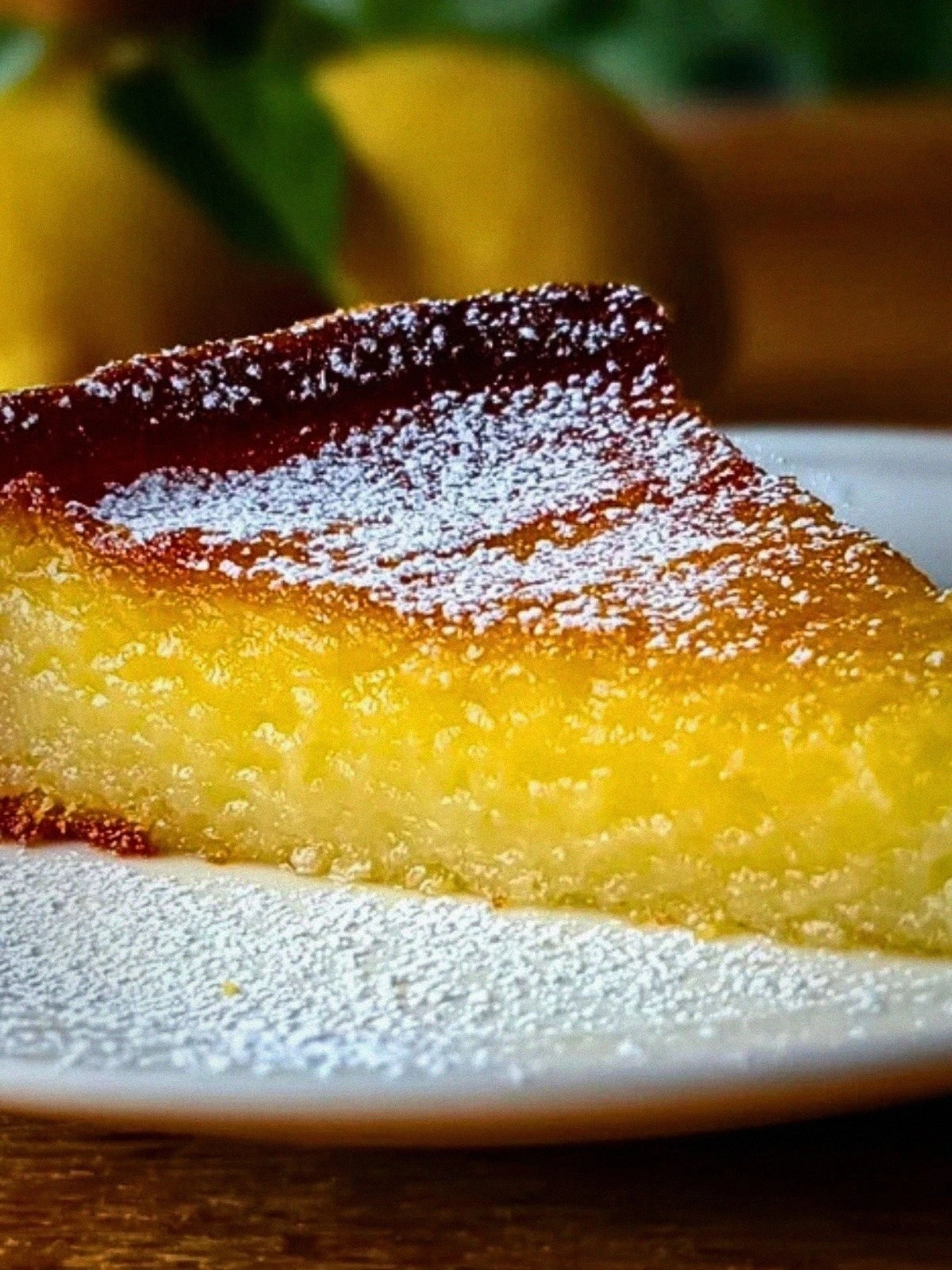
Italian Grandma’s Lemon Custard Cake
 Save
Save
It was a late‑summer afternoon in my nonna’s kitchen, the kind of day when the cicadas hum a lazy tune and the scent of fresh lemons drifts in through the open window. I remember the moment I lifted the heavy, cast‑iron lid off the old wooden stove: a cloud of buttery, citrus‑perfumed steam rose like a soft white curtain, wrapping the whole room in a warm, golden glow. My nonna, with flour dusting her apron and a mischievous smile, handed me a wooden spoon and said, “You’ll learn patience when you watch the custard set, but you’ll also learn love when you taste it.” The first bite was a revelation – the tender crumb soaked in silky lemon custard, a balance of sweet and bright that made my eyes water and my heart sing.
Fast forward a few decades, and that memory still feels as vivid as the first time I tasted that cake. The recipe has traveled from the cramped kitchen of a 1950s Italian village to my modern, stainless‑steel home, and yet the soul of the dessert remains untouched. The secret isn’t just in the ingredients; it’s in the rhythm of the steps, the way you fold the batter, the patience you give the custard as it bakes. Have you ever wondered why a store‑bought lemon cake never quite hits the same note? It’s because they miss that gentle, slow bake that lets the custard set just right, and they skip the tiny ritual of zesting the lemon over the batter before it goes into the oven.
Now, imagine you’re standing in your own kitchen, the sunlight streaming through the blinds, the scent of melted butter and lemon zest swirling around you. You’re about to create a cake that not only satisfies a sweet tooth but also carries a story across generations. The best part? The recipe is straightforward enough for a weekend project, yet it holds enough depth to impress even the most discerning palate. But wait – there’s a secret trick in step 4 that will give you that perfectly glossy top, and I’ll reveal it shortly. Trust me, you’ll want to bookmark this page and come back for the variations later on.
Here’s exactly how to make it — and trust me, your family will be asking for seconds, your friends will beg for the recipe, and you’ll feel a little bit of nonna’s kitchen magic in every bite.
🌟 Why This Recipe Works
- Flavor Depth: The combination of fresh lemon zest and juice creates a bright, aromatic punch that cuts through the richness of the custard, delivering a layered taste that evolves with each forkful.
- Texture Harmony: The cake’s crumb stays light and airy thanks to the whipped eggs, while the custard interior remains silky and smooth, offering a contrast that feels luxurious on the palate.
- Ease of Execution: Despite its elegant appearance, the method uses simple techniques—mix‑and‑fold, gentle baking—making it accessible for home cooks of any skill level.
- Time‑Efficient: With only 15 minutes of prep and a 30‑minute bake, you can have a restaurant‑quality dessert on the table in under an hour, perfect for spontaneous gatherings.
- Versatility: The base cake can be dressed up with berries, a dusting of powdered sugar, or a drizzle of honey, allowing you to tailor it to seasonal produce or personal preferences.
- Nutrition Balance: While indulgent, the recipe uses whole‑milk custard rather than heavy cream, offering a slightly lighter profile without sacrificing creaminess.
- Ingredient Quality: Each component—flour, butter, lemon—plays a starring role, and when you choose high‑quality, fresh ingredients, the final result shines brighter.
- Crowd‑Pleaser Factor: The citrus notes are universally loved, and the custard’s gentle sweetness makes it a safe bet for both kids and adults, ensuring no leftovers.
🥗 Ingredients Breakdown
The Foundation
The backbone of this cake is the all‑purpose flour, which provides structure without making the crumb dense. A cup of flour is enough to create a tender, yet sturdy base that can hold the custard without collapsing. If you’re looking for a gluten‑free alternative, a blend of rice flour and tapioca starch works, but expect a slightly different crumb texture. Always sift the flour with the baking powder and salt; this aerates the mixture and prevents lumps that could ruin the smoothness of the final cake.
Aromatics & Sweeteners
Granulated sugar not only sweetens the cake but also helps to create a glossy crust when it caramelizes slightly during baking. The three large eggs act as the primary leavening agent, trapping air when whisked and giving the cake its lofty rise. When the eggs are at room temperature, they blend more easily with the butter, creating a homogeneous batter that bakes evenly. If you’re avoiding refined sugar, you can substitute with coconut sugar, though the color will turn a richer amber.
The Secret Weapons
Unsalted butter, melted and cooled, adds richness and a silky mouthfeel that pairs beautifully with the lemon custard. The key is to melt it gently and let it cool slightly before mixing; hot butter can scramble the eggs, while cold butter will cause the batter to seize. Whole milk, warmed, helps to dissolve the sugar and creates a custard that sets perfectly without becoming grainy. The warm milk also activates the baking powder, ensuring a consistent rise.
Finishing Touches
Lemon zest is the aromatic hero, releasing essential oils that give the cake its signature citrus perfume. Use a microplane for fine zest, and avoid the white pith, which can add bitterness. Fresh lemon juice adds tang and balances the sweetness, while a final dusting of powdered sugar provides a delicate, snow‑like finish that looks as good as it tastes. For an extra visual pop, you can garnish with candied lemon slices or a drizzle of lemon glaze.
With your ingredients prepped and ready, let's get cooking. Here’s where the fun really begins…
🍳 Step-by-Step Instructions
Preheat your oven to 350°F (175°C) and position a rack in the center. While the oven warms, grease a 9‑inch round cake pan with a thin layer of butter, then line the bottom with parchment paper. This ensures the cake releases cleanly and the custard doesn’t stick, preserving that beautiful glossy top. Here’s the thing: a well‑prepped pan is half the battle won.
In a medium bowl, whisk together the flour, baking powder, and a pinch of salt until fully combined. Sifting the dry ingredients not only removes any clumps but also aerates the mixture, giving the cake a lighter crumb. Trust me on this one: the extra few seconds of sifting make a world of difference in texture.
In a large mixing bowl, beat the three room‑temperature eggs with the granulated sugar until the mixture turns pale yellow and triples in volume. This can take 3–5 minutes with an electric mixer on medium‑high speed. The air you incorporate now will be the lift that carries the cake to its fluffy peak. Have you ever wondered why some cakes sink in the middle? It’s usually because the eggs weren’t whipped enough.
Slowly drizzle the melted butter into the egg‑sugar mixture while continuing to whisk on low speed. The butter should fold in gently, creating a glossy, emulsified batter. Once fully incorporated, pour in the warm milk and continue mixing just until you see a uniform liquid. Now, here's where it gets interesting: the batter should look slightly runny but not watery—this is the perfect consistency for a custard‑filled cake.
Fold the sifted dry ingredients into the wet mixture using a spatula, moving in a gentle, circular motion. Stop as soon as you no longer see flour streaks; over‑mixing will develop gluten and make the cake tough. Sprinkle the lemon zest over the batter and give it one last fold, allowing the fragrant oils to distribute evenly. The aroma at this point is intoxicating—imagine the citrus notes dancing with the buttery base.
Pour the batter into the prepared pan, smoothing the top with a spatula. Drizzle the fresh lemon juice evenly over the surface; it will sink slightly, creating pockets of bright tang that burst as you bite. Place the pan on a baking sheet to catch any overflow, then slide it into the preheated oven. Bake for 25–30 minutes, or until the edges are golden and a toothpick inserted near the center comes out with just a few moist crumbs attached.
While the cake is still warm, dust a generous layer of powdered sugar over the top. The sugar will melt slightly into the custard, forming a delicate glaze that adds a sweet, snowy contrast to the lemon brightness. Let the cake cool in the pan for 10 minutes, then run a thin knife around the edge and invert onto a serving plate. The result? A stunning, glossy lemon custard cake that looks as good as it tastes.
And there you have it! But before you dig in, let me share some tips that will take this from great to absolutely unforgettable…
🔐 Expert Tips for Perfect Results
The Taste Test Trick
Before you fold the zest into the batter, take a tiny spoonful and taste it. If the lemon flavor feels muted, add a pinch more zest or a few extra drops of juice. This small adjustment ensures every bite sings with citrus. I once served a batch that was a bit flat, and a quick taste test saved the day.
Why Resting Time Matters More Than You Think
Allow the cake to rest for at least 15 minutes after it comes out of the oven. This rest period lets the custard set fully, preventing a runny center. The gentle cooling also lets the flavors meld, resulting in a richer taste. Trust me, the extra patience is rewarded with a silky interior that holds its shape when sliced.
The Seasoning Secret Pros Won’t Tell You
A tiny pinch of sea salt, added to the dry ingredients, amplifies the lemon’s brightness and balances the sweetness. Professional bakers often keep this trick under wraps because it turns a good cake into an exceptional one. I discovered this secret while reading a pastry chef’s memoir, and it’s been a game‑changer ever since.
The Golden Crust Method
Brush the top of the batter with a thin layer of melted butter just before the final 5 minutes of baking. This creates a glossy, golden crust that looks restaurant‑ready. The butter caramelizes slightly, adding a subtle nutty note that complements the lemon.
How to Keep It Moist
If you need to reheat leftovers, place a small piece of parchment over the cake and microwave for 20 seconds, or warm in a 300°F oven with a splash of milk. The added moisture prevents the custard from drying out, preserving that luscious texture.
Serving with Style
Serve the cake slightly warm, accompanied by a dollop of lightly sweetened mascarpone or a scoop of vanilla bean ice cream. The contrast of warm custard and cool cream elevates the dessert to a new level of decadence. I’ve hosted dinner parties where this pairing earned a round of applause.
🌈 Delicious Variations to Try
One of my favorite things about this recipe is how versatile it is. Here are some twists I've tried and loved:
Berry‑Burst Lemon
Fold a handful of fresh raspberries or blueberries into the batter before baking. The berries add a pop of color and a subtle tartness that complements the lemon custard, creating a delightful contrast of flavors.
Almond‑Infused Delight
Replace 1/4 cup of the all‑purpose flour with finely ground almond flour and add a teaspoon of almond extract. The nutty undertone deepens the flavor profile, making the cake feel richer without overwhelming the lemon.
Limoncello Lush
Swap half of the fresh lemon juice for a quality limoncello liqueur. The subtle sweetness and aromatic complexity of the liqueur turn the dessert into a sophisticated after‑dinner treat.
Coconut Cream Dream
Substitute half of the whole milk with coconut milk and finish the cake with toasted coconut flakes. This gives the custard a tropical twist while maintaining its creamy texture.
Chocolate‑Swirl Surprise
Add a swirl of melted dark chocolate just before baking. The bitter chocolate ribbons create a striking visual contrast and a flavor pairing that balances the bright lemon.
Herb‑Infused Elegance
Stir in a teaspoon of finely chopped fresh rosemary or thyme into the batter. The herbaceous note adds an unexpected depth, turning the cake into a savory‑sweet hybrid perfect for brunch.
📦 Storage & Reheating Tips
Refrigerator Storage
Allow the cake to cool completely, then cover it loosely with plastic wrap or store it in an airtight container. It will keep fresh for up to 3 days in the refrigerator. The custard stays moist, and the lemon flavor actually intensifies after a night’s rest.
Freezing Instructions
Wrap the entire cake tightly in a double layer of freezer‑grade foil, then place it in a zip‑top bag. Freeze for up to 2 months. When you’re ready to enjoy, thaw overnight in the fridge and reheat gently as described below.
Reheating Methods
To reheat without drying out, preheat your oven to 300°F (150°C), place the cake on a baking sheet, and cover loosely with foil. Heat for 10‑12 minutes, or until the interior is warmed through. For a quicker fix, microwave a single slice for 15‑20 seconds, adding a splash of milk if needed to keep the custard supple.
❓ Frequently Asked Questions
Can I use lemon extract instead of fresh lemon?
What pan size is best for this recipe?
Can I make this cake gluten‑free?
How do I know when the custard is fully set?
Can I add a glaze on top?
Is it okay to use melted butter instead of softened butter?
Can I double this recipe?
What’s the best way to store leftovers?







Other Reader Favorites
 Dinner
Crunchy Fiesta Taco Shells: The Ultimate Guide to Flavorful and Crispy Tacos
Delicious Crunchy Fiesta Taco Shells: The Ultimate Guide to Flavorful and Crispy Tacos
 Dinner
Quick Lemon Tarragon Chicken Breasts
Delicious Quick Lemon Tarragon Chicken Breasts
 Desserts
Decadent Healthy Chocolate Chip Oatmeal Bars: A Nutritious Treat
Delicious Decadent Healthy Chocolate Chip Oatmeal Bars: A Nutritious Treat
 Dinner
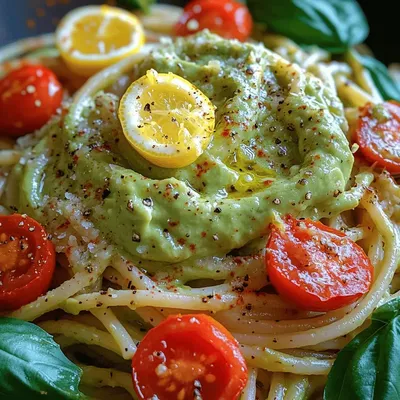
Creamy Avocado Pasta with Zesty Lemon: A Culinary Delight
Delicious Creamy Avocado Pasta with Zesty Lemon: A Culinary Delight