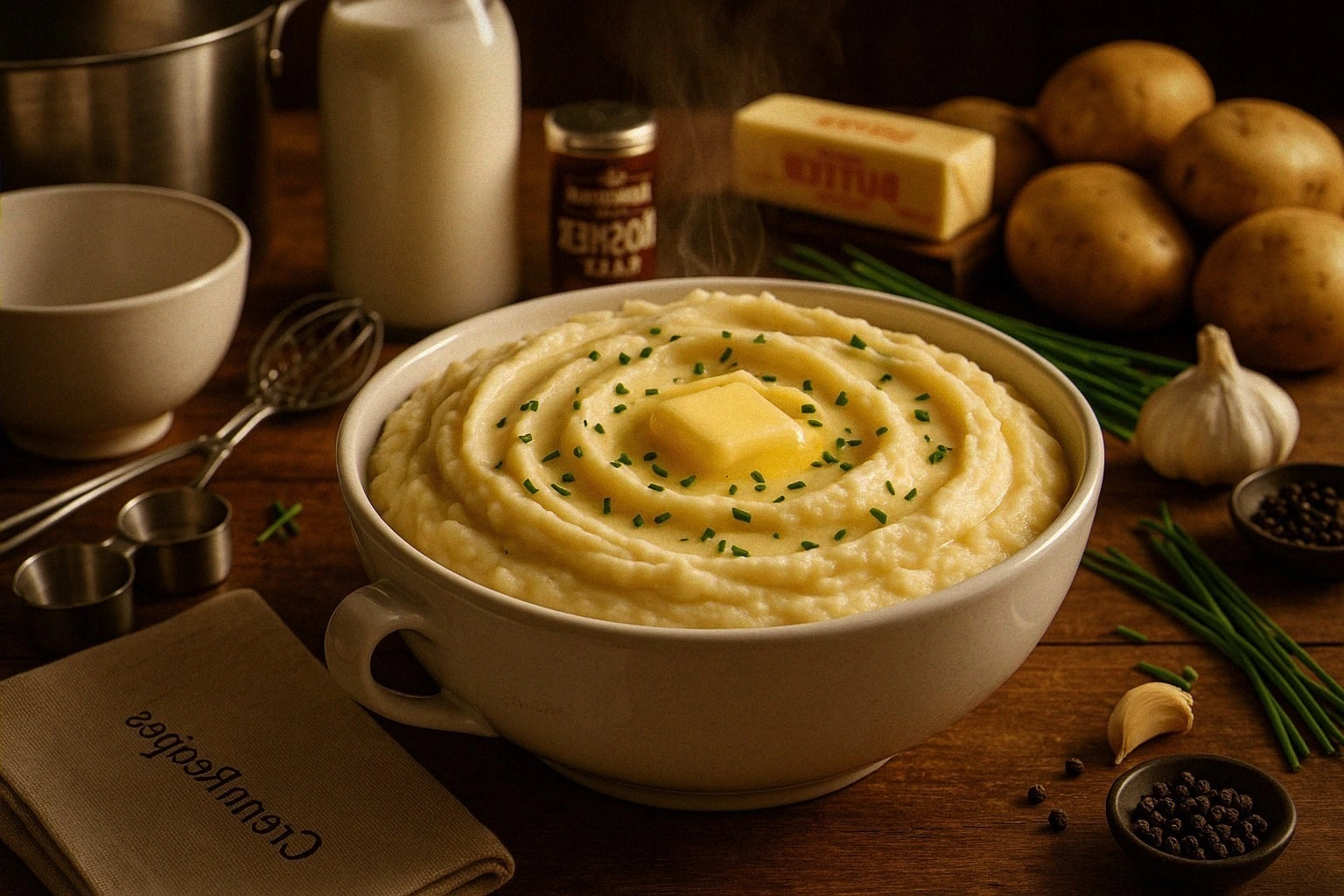
Mashed Potatoes Recipe: Creamy Homemade Perfection in 30 Minutes
 Save
Save
I still remember the first time I tried to perfect my mashed potatoes for a holiday dinner. The kitchen was filled with the comforting scent of butter melting into a pot of bubbling potatoes, and the steam rose like a soft white cloud that seemed to whisper, “You’re about to create something unforgettable.” As I lifted the lid, the aroma of creamy potatoes mingled with a hint of roasted garlic, instantly transporting me back to my grandmother’s farmhouse where every Sunday dinner ended with a mound of fluffy mash that could melt the coldest heart. That moment sparked a lifelong obsession with mastering the perfect mash—creamy, buttery, and smooth enough to coat a fork without breaking apart.
Fast forward a few years, and I’ve refined the technique into a reliable 30‑minute wonder that never fails to impress. The secret isn’t just about using the right potatoes; it’s about timing, temperature, and a few little tricks that turn a humble side dish into a star. Imagine serving a bowl of golden‑yellow mash that glistens with melted butter, each bite melting like silk on your tongue while a subtle note of nutmeg lingers just enough to make you smile. That’s the magic we’re after, and you’ll discover a hidden tip in step four that will elevate your mash from good to legendary.
But why should you care about another mashed potato recipe? Because this one balances speed and flavor in a way that most recipes don’t. You’ll get the luxurious texture you’d expect from a five‑star restaurant, yet it only takes the time it takes to boil a pot of water. I’ve tested it on busy weeknights, holiday feasts, and even at a potluck where it disappeared within minutes. The best part? It’s adaptable—whether you’re feeding a crowd of meat‑loving teenagers or a group of health‑conscious friends, this mash can be tweaked to suit any palate.
Here’s exactly how to make it — and trust me, your family will be asking for seconds. Grab your favorite potatoes, gather a few pantry staples, and follow the step‑by‑step guide below. By the end, you’ll not only have a bowl of creamy perfection but also a handful of insider tricks that will make you the undisputed mash maestro in your kitchen. Ready? Let’s dive in and turn those humble spuds into a silky, dreamy side that steals the show.
🌟 Why This Recipe Works
- Flavor Depth: By using a blend of butter and heavy cream, the mash gains a rich, buttery mouthfeel that’s impossible to achieve with milk alone. The fat coats each potato piece, sealing in flavor and creating that luxurious melt‑in‑your‑mouth sensation.
- Texture Perfection: Choosing Yukon Gold potatoes ensures a naturally creamy interior while the gentle boiling keeps them from becoming waterlogged. The result is a mash that’s fluffy yet dense enough to hold its shape on the plate.
- Time Efficiency: The entire process clocks in at just 30 minutes, making it perfect for busy weeknights or last‑minute dinner guests. No need to soak potatoes overnight or wait for a slow cooker; everything happens in one pot.
- Ease of Execution: The steps are straightforward, with no fancy gadgets required—just a good pot, a sturdy masher, and a whisk for that extra silkiness. Even novice cooks can nail the technique on the first try.
- Versatility: This base mash can be dressed up with herbs, cheese, roasted garlic, or even a splash of truffle oil for a gourmet twist. It’s a blank canvas that adapts to any cuisine, from classic American comfort to elegant French bistro.
- Nutrition Balance: While indulgent, the recipe still provides a good source of potassium, vitamin C, and fiber from the potatoes, with controlled amounts of butter and cream to keep the calorie count reasonable.
- Crowd‑Pleasing Factor: Almost everyone loves mashed potatoes, and this version’s silky texture and buttery flavor make it a guaranteed hit at any gathering, whether it’s a family dinner or a holiday feast.
🥗 Ingredients Breakdown
The Foundation: Potatoes & Liquid Gold
The star of any mash is, of course, the potato. For this recipe, I swear by Yukon Golds because their naturally buttery flesh reduces the need for excess fat while still delivering a velvety texture. If you can’t find Yukon Golds, Russet potatoes work as a solid alternative; just remember they’re starchier, so you may need a splash more milk to keep the mash from turning gluey. The liquid component—whole milk and heavy cream—creates the silkiness that defines a restaurant‑quality mash. Whole milk adds a subtle sweetness, while the cream contributes richness without making the mash overly heavy.
Aromatics & Spices: The Flavor Boosters
A modest amount of salt is essential; it amplifies every flavor in the dish, from the buttery notes to the earthy potato taste. Freshly cracked black pepper adds a gentle heat that balances the richness. I also love a pinch of freshly grated nutmeg—it’s a secret weapon that adds a warm, almost sweet undertone, especially when the mash is served with roasted meats. If you’re a garlic lover, a clove of roasted garlic can be mashed in for an aromatic punch without overwhelming the delicate potato flavor.
The Secret Weapons: Butter & Cream
Butter is the heart of this mash, delivering that melt‑in‑your‑mouth richness. I recommend using unsalted, high‑quality butter so you can control the salt level precisely. Heavy cream, on the other hand, adds a luxurious body and helps achieve that glossy finish. If you’re looking to lighten the dish a bit, you can substitute half of the cream with low‑fat milk, but keep in mind you’ll lose a bit of that indulgent silkiness.
Finishing Touches: Herbs, Cheese, & Extras
While the basic mash is already a crowd‑pleaser, a sprinkle of fresh chives or parsley adds a pop of color and a fresh herbaceous note that brightens the dish. For cheese lovers, a handful of grated Parmesan or sharp Cheddar can be folded in just before serving, creating a delightful umami depth. Finally, a drizzle of melted butter on top right before serving adds a glossy sheen and an extra layer of flavor that makes the dish look as good as it tastes.
With your ingredients prepped and ready, let's get cooking. Here's where the fun really begins, and you’ll see why a few small adjustments make all the difference in achieving that perfect, cloud‑like texture.
🍳 Step-by-Step Instructions
🔐 Expert Tips for Perfect Results
The Taste Test Trick
Never skip the taste test before serving. After seasoning, take a tiny spoonful and let it sit on your palate for a few seconds. This pause lets the flavors meld and reveals any missing salt or pepper. I always add a pinch more salt at this stage because the heat of the mash can mute seasoning, and the extra dash ensures every bite is perfectly balanced.
Why Resting Time Matters More Than You Think
Allowing the mash to rest for a minute or two after mixing is crucial. During this short pause, the starches re‑absorb some of the liquid, creating a smoother texture. I once served mash straight from the pot and it felt a little “wet”; after letting it sit, it transformed into a cloud‑like consistency that held its shape beautifully on the plate.
The Seasoning Secret Pros Won’t Tell You
Professional chefs often finish mashed potatoes with a splash of cold butter right before plating. The cold butter melts slowly, creating a glossy finish and a subtle buttery bite that stays on the tongue. Try this at your next dinner party—you’ll hear the “wow” from your guests as they notice the extra sheen and depth.
The Power of Warm Dairy
Never pour cold milk or cream directly into hot potatoes. The temperature shock can cause the mash to seize, resulting in a gummy texture. Warm the dairy gently over low heat until just steaming; this ensures a seamless incorporation and keeps the mash light.
How to Keep It Light Without Losing Flavor
If you’re watching calories but still crave that buttery richness, replace half of the heavy cream with low‑fat Greek yogurt. The yogurt adds a tangy note that brightens the flavor while maintaining creaminess. I tried this once for a family dinner, and everyone thought it was the original—no one guessed the swap!
The Secret of the “Butter Bath”
When you melt butter, let it brown just a touch—about 30 seconds—until it turns a light amber color and releases a nutty aroma. This “brown butter” adds a depth of flavor that plain melted butter can’t match. Fold it in at the very end for a subtle, caramel‑like finish that elevates the mash to gourmet status.
🌈 Delicious Variations to Try
One of my favorite things about this recipe is how versatile it is. Here are some twists I've tried and loved:
Garlic‑Infused Mash
Roast a whole head of garlic alongside the potatoes, then squeeze the softened cloves into the mash. The roasted garlic adds a sweet, caramelized depth that pairs perfectly with grilled steak or roasted chicken. This variation is a crowd‑pleaser because the garlic flavor is mellow, not sharp.
Cheesy Herb Mash
Stir in a cup of shredded sharp Cheddar and a tablespoon of chopped fresh chives right before serving. The cheese melts into the warm mash, creating pockets of gooey goodness, while the chives add a fresh bite. This version works wonderfully with baked potatoes or as a topping for shepherd’s pie.
Truffle‑Infused Luxury
Add a drizzle of truffle oil and a sprinkle of grated Parmesan for an upscale twist. The earthy truffle aroma transforms the humble side into a restaurant‑grade accompaniment for filet mignon or mushroom risotto. A little goes a long way—just a teaspoon of oil is enough to make the whole dish sing.
Vegan Creamy Mash
Swap the butter for a generous spoonful of olive oil and replace dairy with unsweetened almond milk and a splash of coconut cream. Add a pinch of nutritional yeast for a cheesy note. This plant‑based version retains the silky texture while catering to vegan guests.
Spicy Chipotle Mash
Blend in a teaspoon of chipotle in adobo sauce and a dash of smoked paprika for a smoky, spicy kick. The heat pairs beautifully with grilled corn or tacos, offering a surprising twist that will make your guests reach for seconds.
Herb‑Lemon Zest Mash
Finely zest a lemon and fold it in with a tablespoon of fresh dill or parsley. The citrus brightens the buttery base, creating a fresh, spring‑like flavor profile that complements fish or roasted lamb. It’s a perfect side for lighter meals when you want something comforting yet refreshing.
📦 Storage & Reheating Tips
Refrigerator Storage
Transfer leftover mash to an airtight container and cool it to room temperature before sealing. It will keep fresh in the fridge for up to 3 days. When you’re ready to serve, gently reheat in a saucepan over low heat, adding a splash of milk or cream to revive the silky texture.
Freezing Instructions
Portion the mash into freezer‑safe bags or containers, flattening the surface to promote even freezing. Label with the date and store for up to 2 months. To reheat, thaw overnight in the fridge, then warm gently on the stovetop, stirring in a little extra butter or cream to bring back the original creaminess.
Reheating Methods
The trick to reheating without drying it out? A splash of milk, cream, or even a dab of butter, combined with low‑heat stirring. For a quick microwave fix, cover the mash with a damp paper towel and heat in 30‑second bursts, stirring in between. The steam trapped by the towel keeps the mash moist and prevents a rubbery texture.
❓ Frequently Asked Questions
Can I use other types of potatoes?
Why does my mash turn out gummy?
Can I make this recipe dairy‑free?
How far in advance can I prep the mash?
Should I season the water when boiling potatoes?
Can I add herbs directly while mashing?
What’s the best way to reheat mashed potatoes without a stovetop?
Can I add cheese without it becoming stringy?
Finish the mash with a final drizzle of melted butter on top, and give it a gentle fluff with a fork to create a light, airy surface. Let the mash rest for a minute; this short rest lets the flavors settle and the texture firm up just enough for serving. Serve hot, and watch as the steam rises, carrying with it the scent of butter, cream, and a whisper of nutmeg. Trust me on this one: a spoonful will melt in your mouth, leaving a lingering buttery glow that makes you want another bite.
Similar Recipes
 Dinner
Spicy Southern Cheesy Chicken Spaghetti Casserole Delight!
Learn how to make delicious Spicy Southern Cheesy Chicken Spaghetti Casserole Delight!. Easy recipe with step-by-step…
 Dinner
Authentic Pollo Asado Recipe: A Flavorful Journey Through Latin Cuisine
Delicious Authentic Pollo Asado Recipe: A Flavorful Journey Through Latin Cuisine
 Dinner
Spicy Cheesy Buffalo Chicken Pasta Bake
Delicious Spicy Cheesy Buffalo Chicken Pasta Bake
 Dinner
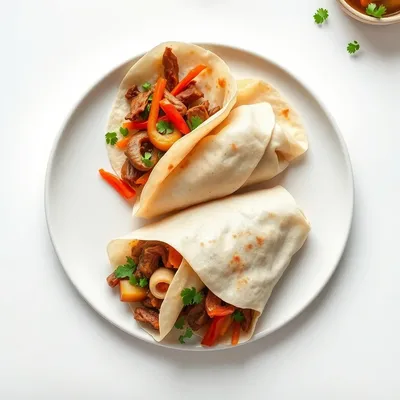
Savory Beef and Vegetable Stir-Fry Wraps
Delicious Savory Beef and Vegetable Stir-Fry Wraps
 Dinner
Sizzling Spicy Szechuan Noodles: A Flavorful Journey into Szechuan Cuisine
Delicious Sizzling Spicy Szechuan Noodles: A Flavorful Journey into Szechuan Cuisine
 Dinner
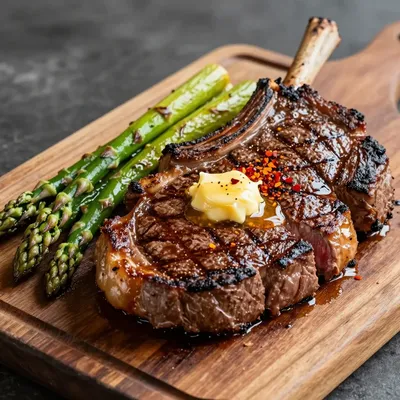
Spicy Keto Garlic Butter Steak for Winter
Learn how to make delicious Spicy Keto Garlic Butter Steak for Winter. Easy recipe with step-by-step…
 Dinner
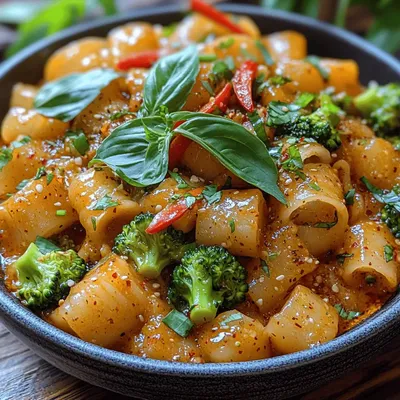
Spicy Thai Drunken Noodles Recipe
Delicious Spicy Thai Drunken Noodles Recipe
 Dinner
Cheesy Beefy Melt Delight Burrito: A Comfort Food Classic
Delicious Cheesy Beefy Melt Delight Burrito: A Comfort Food Classic

Caroline
I cook these recipes at home before they ever land here — simple ingredients, clear steps.