Roasted Duck with Root Vegetables for Elegant Winter Holiday Dinners
 Save
Save
Why You'll Love This Recipe
The first time I served a whole roasted duck at a winter gathering, the room fell silent as the golden bird arrived. The crisp, caramel‑kissed skin glistened against a nest of caramelized carrots, parsnips, and turnips, instantly signaling a feast worthy of the season.
Root vegetables have long been the backbone of cold‑weather cooking because they store well and develop deep sweetness when roasted. Pairing them with duck, which offers a luxurious richness, creates a dish that feels both comforting and upscale—perfect for holiday tables where elegance meets heartiness.
What sets this recipe apart is the balance of technique and simplicity. A quick brine guarantees moist meat, while a high‑heat start renders the skin to a crackling perfection. The result is a show‑stopping entrée that can be prepared mostly ahead of time, leaving you free to enjoy the celebration.
Instructions
Brine the Duck
Dissolve 2 tbsp salt in 4 cups cold water. Submerge the duck, cover, and refrigerate for 2 hours. This step seasons the meat internally and helps retain moisture during roasting.
Season & Roast
Rub the duck inside and out with pepper, rosemary, thyme, and 1 tbsp olive oil. Place the duck breast‑side up on a rack in a roasting pan. Roast at 425°F (220°C) for 30 minutes to render the skin.
Add Vegetables
Toss carrots, parsnips, beets, and remaining olive oil with a pinch of salt. Scatter around the duck, nestling them into the pan juices. Reduce oven temperature to 350°F (175°C) and continue roasting.
Glaze & Finish
Combine orange juice and honey; brush over the duck and vegetables during the last 20 minutes. Return to the oven until the skin is deep mahogany and the glaze is sticky, about 15 minutes.
Rest & Serve
Transfer the duck to a cutting board; let rest 15 minutes before carving. Arrange the roasted vegetables on a platter, drizzle remaining pan juices, and serve with a fresh green salad for contrast.
Expert Tips
Tip #1: Dry the Skin
After brining, leave the duck uncovered in the fridge for at least 30 minutes. The drier surface crisps more quickly and yields that coveted crackling.
Tip #2: Use a Rack
Elevating the duck lets fat drip away, preventing soggy skin and allowing the vegetables to roast in the flavorful drippings.
Tip #3: Add a Splash of Acid
A tablespoon of balsamic vinegar mixed into the glaze brightens the sweetness and balances the richness of the duck.
Tip #4: Rest Before Carving
A 15‑minute rest lets the juices settle, making each slice moist and preventing a dry presentation.
Storage & Variations
Cool leftovers to room temperature, then refrigerate in an airtight container for up to 3 days. Reheat gently in a 300°F oven to retain crispness. For a lighter version, substitute half the duck with boneless chicken thighs and add sliced apples for a sweet‑tart twist.
Nutrition
Per serving (approx.)
Frequently Asked Questions
Can I use a frozen duck?
How do I prevent the vegetables from burning?
Can I make this gluten‑free?
What side dishes pair best?
Similar Recipes
 Dinner
Crispy Air Fryer Parmesan Crusted Chicken: A Deliciously Healthy Option
Delicious Crispy Air Fryer Parmesan Crusted Chicken: A Deliciously Healthy Option
 Dinner
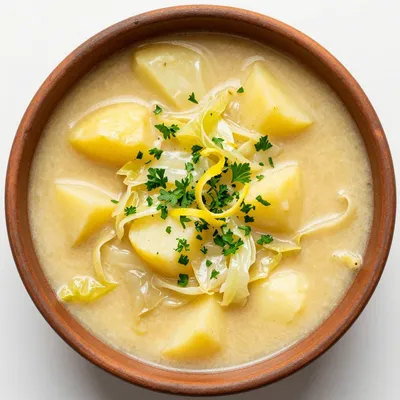
comforting lemon garlic cabbage and potato soup for cold nights
Learn how to make delicious comforting lemon garlic cabbage and potato soup for cold nights. Easy…
 Dinner
Shredded BBQ Chicken Sandwich: The Ultimate Comfort Meal
Learn how to make delicious Shredded BBQ Chicken Sandwich: The Ultimate Comfort Meal. Easy recipe with…
 Dinner
hearty sweet potato and kale soup with garlic for cozy january evenings
Learn how to make delicious hearty sweet potato and kale soup with garlic for cozy january…
 Dinner
The Ultimate Guide to Homemade Classic Lasagna
Delicious The Ultimate Guide to Homemade Classic Lasagna
 Dinner
Quick Lemon Tarragon Chicken Breasts
Delicious Quick Lemon Tarragon Chicken Breasts
 Dinner
Savory Sausage & Green Bean Potato Bake: A Comforting One-Dish Meal
Delicious Savory Sausage & Green Bean Potato Bake: A Comforting One-Dish Meal
 Dinner
Savory Citrus Teriyaki Salmon Recipe
Delicious Savory Citrus Teriyaki Salmon Recipe

Caroline
I cook these recipes at home before they ever land here — simple ingredients, clear steps.