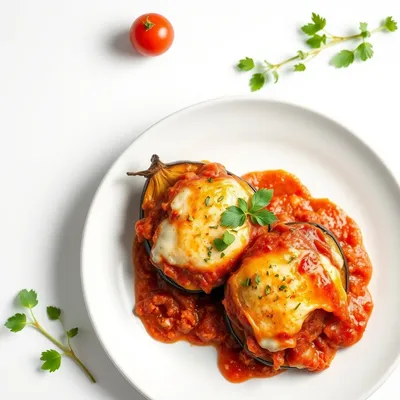
The Ultimate Guide to Homemade Classic Lasagna
 Save
Save
Imagine the aroma of bubbling tomato sauce, layers of melted cheese, and tender pasta sheets drifting through your kitchen on a lazy weekend morning. That’s the magic of a classic lasagna reinvented for breakfast and brunch—a hearty, comforting dish that feels indulgent yet familiar.
What sets this lasagna apart is the thoughtful blend of breakfast‑friendly ingredients: a light ricotta‑egg mixture, a touch of nutmeg, and a sprinkle of fresh herbs that brighten each bite. The result is a savory stack that satisfies cravings without feeling heavy.
This dish is perfect for families who love to gather around the table, brunch lovers seeking a show‑stopping centerpiece, and anyone who enjoys a warm, cheesy comfort food to start the day. Serve it alongside a crisp salad or a fruit platter for a balanced brunch spread.
The process is straightforward: start by crafting a rich meat‑tomato sauce, whisk together a silky ricotta‑egg blend, assemble alternating layers of sauce, cheese, and pasta, then bake until golden and bubbling. Follow the step‑by‑step guide below and you’ll have a crowd‑pleasing masterpiece in under an hour.
Why You'll Love This Recipe
Breakfast‑Ready Protein: The ricotta‑egg blend adds protein and a fluffy texture, turning a traditional dinner staple into a satisfying brunch option that fuels your morning.
Layered Flavor Complexity: Each component—meaty sauce, herb‑infused cheese, and perfectly al dente noodles—contributes its own depth, creating a harmonious bite every time.
Make‑Ahead Friendly: Assemble the lasagna the night before, refrigerate, and bake fresh in the morning—ideal for busy weekends or entertaining guests.
Customizable Core: Swap ground beef for turkey, add seasonal veggies, or go vegetarian; the recipe adapts effortlessly to personal tastes and dietary needs.
Tips & Tricks
Perfecting the Recipe
Use no‑boil noodles. They absorb sauce while baking, eliminating the need to pre‑cook and saving precious time on a busy brunch morning.
Season the sauce early. Adding herbs and spices at the start allows the flavors to develop fully, giving a deeper taste profile.
Don’t skip the resting time. Allowing the lasagna to sit after baking prevents it from falling apart when you cut into it.
Cover with foil first. This keeps the top from over‑browning while the interior finishes cooking evenly.
Flavor Enhancements
Stir a splash of red wine into the meat sauce for added depth, or finish the baked lasagna with a drizzle of extra‑virgin olive oil and a sprinkle of fresh basil right before serving. A pinch of smoked paprika in the sauce adds a subtle, comforting smokiness that pairs beautifully with the cheese.
Common Mistakes to Avoid
Avoid using too much sauce, which can make the lasagna soggy; aim for a coating that’s generous but not swimming. Also, resist the urge to over‑mix the ricotta‑egg blend—over‑working can create a dense texture instead of a light, airy layer.
Pro Tips
Grate Parmesan fresh. Freshly grated cheese melts more evenly and provides a brighter, more aromatic flavor than pre‑grated varieties.
Use a kitchen scale. Measuring ingredients by weight ensures consistency, especially for the cheese and meat portions.
Pre‑heat the baking dish. A warm dish helps the lasagna begin cooking immediately, reducing the chance of a soggy bottom.
Finish with a burst of lemon zest. A light sprinkle of zest right before serving adds a bright contrast to the rich layers.
Variations
Ingredient Swaps
Replace ground beef with ground turkey or Italian sausage for a different flavor profile. Add sautéed spinach, roasted zucchini, or caramelized mushrooms between layers for extra veggies. For a cheesy twist, swap half of the mozzarella with smoked provolone.
Dietary Adjustments
To make the dish gluten‑free, use certified gluten‑free lasagna sheets or thinly sliced eggplant in place of pasta. For a vegetarian version, omit the meat and double the vegetable mix, adding lentils for protein. Vegan diners can substitute ricotta with tofu blended with nutritional yeast and use dairy‑free mozzarella.
Serving Suggestions
Pair the lasagna with a light arugula salad tossed in lemon vinaigrette, fresh fruit salad, or a bowl of seasoned roasted potatoes. A glass of chilled sparkling water or a light rosé complements the richness while keeping the brunch feel bright.
Storage Info
Leftover Storage
Allow the lasagna to cool to room temperature, then slice into portions and store in airtight containers. Refrigerate for up to 4 days. For longer keeping, wrap each portion tightly in plastic wrap followed by aluminum foil and freeze for up to 3 months. Proper sealing prevents freezer burn and preserves flavor.
Reheating Instructions
Reheat refrigerated leftovers in a 350°F oven, covered with foil, for 20‑25 minutes until warmed through. For frozen portions, thaw overnight in the fridge, then follow the same oven method. Microwaving works in a pinch—heat on medium power for 2‑3 minutes, adding a splash of sauce to keep it moist.
Frequently Asked Questions
Can I make this lasagna ahead of time?
Can I use frozen lasagna noodles?
What side dishes pair best with this brunch lasagna?
How do I keep the lasagna from becoming dry?
This ultimate guide walks you through every step of creating a classic lasagna that feels right at home for breakfast or brunch. From selecting the freshest ingredients to mastering layering techniques, you now have a reliable blueprint for a crowd‑pleasing, comforting centerpiece. Feel free to experiment with swaps, herbs, or seasonal veggies—cooking is your canvas. Serve it hot, share it widely, and enjoy the hearty, cheesy goodness that only a perfect lasagna can deliver.
The Ultimate Guide to Homemade Classic Lasagna
Delicious The Ultimate Guide to Homemade Classic Lasagna
Ingredients
Pasta & Cheese
- 12 lasagna noodles (no‑boil or regular)
- 1 ½ cups ricotta cheese
- 2 large eggs
- 2 cups shredded mozzarella
- ½ cup grated Parmesan
Meat Sauce
- 1 lb ground beef (or turkey)
- 2 tablespoons olive oil
- 1 large onion, finely diced
- 3 cloves garlic, minced
- 28 oz canned crushed tomatoes
- 2 tablespoons tomato paste
Seasonings & Extras
- 1 teaspoon dried oregano
- ½ teaspoon dried basil
- ¼ teaspoon freshly grated nutmeg
- Salt and freshly ground black pepper, to taste
- 2 tablespoons fresh parsley, chopped (optional)
Instructions
Cooking the Meat Layer
- Brown the meat. Add the ground beef (or turkey) to the pot, breaking it up with a wooden spoon. Cook for 6‑8 minutes, stirring occasionally, until the meat loses its pink color and begins to caramelize. This step develops the deep, savory foundation of the lasagna.
- Season and simmer. Sprinkle in oregano, basil, salt, and pepper. Stir in crushed tomatoes and tomato paste, then bring the mixture to a gentle boil. Reduce heat to low and let it simmer uncovered for 15 minutes, allowing the flavors to meld and the sauce to thicken slightly.
- Adjust consistency. If the sauce looks too thick, add a splash of water or broth; if too thin, continue simmering uncovered for a few more minutes. The sauce should coat the back of a spoon and have a rich, velvety texture.
Assembling the Lasagna
- First sauce layer. Spread a thin layer of meat sauce (about ½ cup) on the bottom of a 9×13‑inch baking dish. This prevents the noodles from sticking and ensures the first sheet is fully coated.
- Noodle layer. Arrange 4 lasagna noodles over the sauce, overlapping slightly. If using regular noodles, pre‑cook them al dente according to package directions before layering.
- Ricotta layer. Spoon one‑third of the ricotta‑egg mixture over the noodles, spreading it evenly with the back of a spoon. Follow with a generous sprinkle of mozzarella and a drizzle of sauce.
- Repeat layers. Continue the pattern—sauce, noodles, ricotta, mozzarella—two more times, ending with a final layer of noodles, the remaining meat sauce, mozzarella, and the remaining Parmesan on top.
Similar Recipes
 Dinner
Garlic Butter Shrimp Tacos Recipe: An Irresistible Culinary Delight
Delicious Garlic Butter Shrimp Tacos Recipe: An Irresistible Culinary Delight
 Dinner
Create a Flavorful Garlic Chicken Zucchini Noodles Stir Fry Today!
Learn how to make delicious Create a Flavorful Garlic Chicken Zucchini Noodles Stir Fry Today!. Easy…
 Dinner
Authentic Pollo Asado Recipe: A Flavorful Journey Through Latin Cuisine
Delicious Authentic Pollo Asado Recipe: A Flavorful Journey Through Latin Cuisine
 Dinner
Back to School Taco Pasta Bowls: A Family-Friendly Delight
Delicious Back to School Taco Pasta Bowls: A Family-Friendly Delight
 Dinner
Slow-Cooked BBQ Bliss Beef Sandwiches: A Flavorful Journey into Comfort Food
Delicious Slow-Cooked BBQ Bliss Beef Sandwiches: A Flavorful Journey into Comfort Food
 Dinner
Creamy Blush Sauce Pasta Delight Recipe
Delicious Creamy Blush Sauce Pasta Delight Recipe
 Dinner
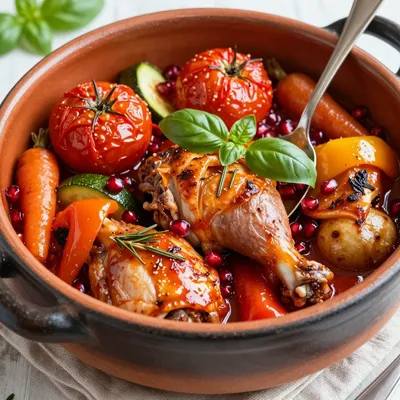
healthy slow cooker turkey and winter vegetable cacciatore for dinner
Learn how to make delicious healthy slow cooker turkey and winter vegetable cacciatore for dinner. Easy…
 Dinner
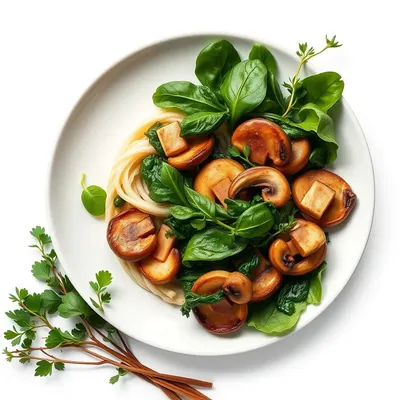
Savory Spinach & Mushroom Delight: A Culinary Journey
Delicious Savory Spinach & Mushroom Delight: A Culinary Journey

Caroline
I cook these recipes at home before they ever land here — simple ingredients, clear steps.