Ultimate Honey-Garlic Grilled Skirt Steak
 Save
Save
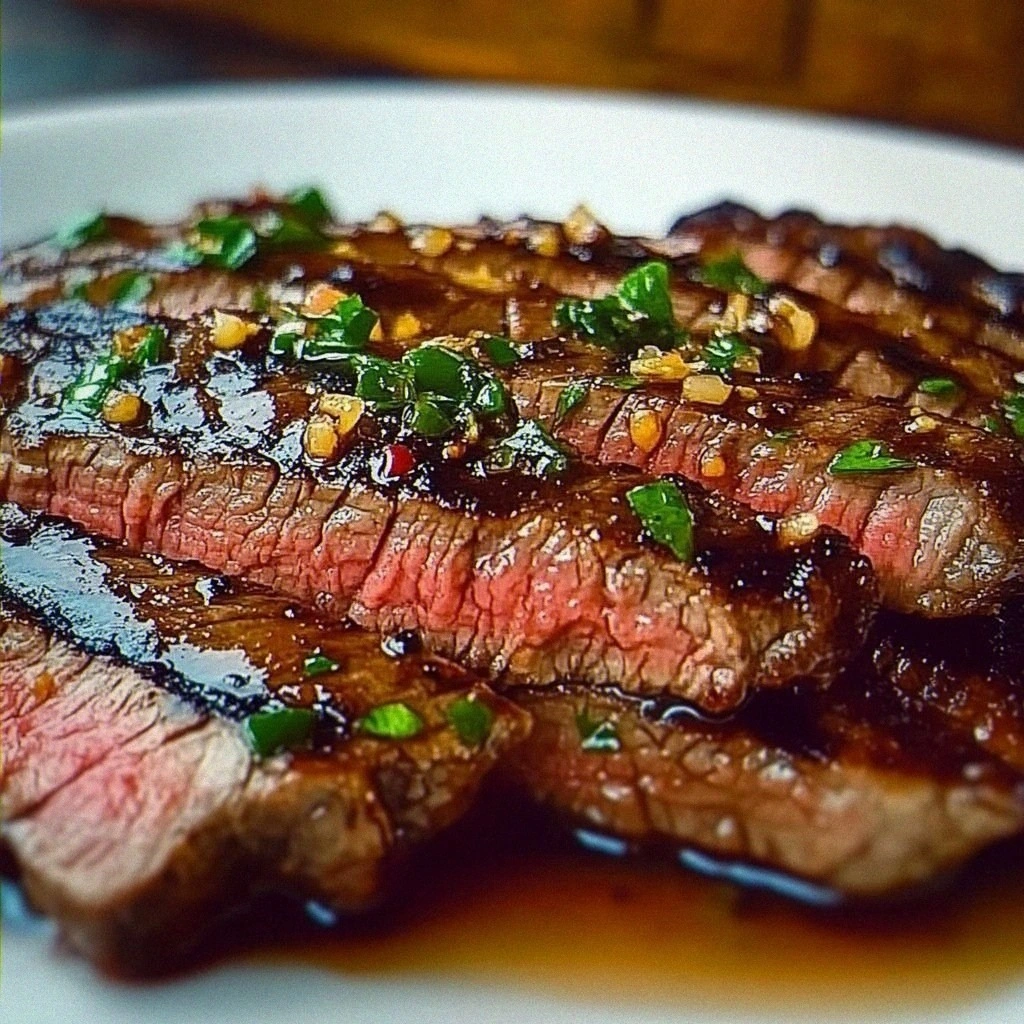
It was a balmy Saturday evening, the kind of night where the sky turns a deep indigo and the grill smoke curls up like lazy ribbons of flavor. I remember standing in my backyard, the grill already humming, and the scent of caramelizing onions drifting from the kitchen. The moment I lifted the lid on the skillet, a cloud of fragrant steam hit me—sweet honey, sharp garlic, and a whisper of ginger that made my mouth water before the first bite. That night, my family gathered around the table, eyes wide, forks poised, and we all agreed: this was the best steak we’d ever tasted. The secret? A simple honey‑garlic glaze that transforms a humble skirt steak into a glossy, caramel‑kissed masterpiece that sings with every chew.
What makes this recipe truly unforgettable is the marriage of sweet and savory, the way the honey caramelizes just enough to give a subtle crunch while the garlic cuts through with a punch of depth. The skirt steak itself, with its natural grain and slightly chewy texture, soaks up the glaze like a sponge, turning each slice into a juicy, flavor‑bursting ribbon. I’ve served this at backyard barbecues, family reunions, and even on a rainy weeknight when I needed a quick yet impressive dinner. Have you ever wondered why restaurant versions taste so different? The answer lies in the balance of ingredients and the technique—something you’ll discover step by step in this guide.
But wait—there’s a hidden trick that takes the glaze from good to legendary, and it’s tucked away in the fourth step. I’ll spill the beans later, but first let’s set the stage: you’ll need a good quality skirt steak, a handful of pantry staples, and a little patience. The aroma that fills your kitchen as the glaze bubbles will have neighbors tapping on your window, begging for a taste. And trust me, once they get a bite, you’ll be fielding requests for seconds, thirds, and maybe even a whole extra steak.
Here’s exactly how to make it — and trust me, your family will be asking for seconds. Grab your tongs, fire up that grill, and let’s dive into the sweet‑and‑savory adventure that is the Ultimate Honey‑Garlic Grilled Skirt Steak. The journey from raw meat to caramelized perfection is just a few clicks away, and the best part? You’ll learn a few pro tips that even seasoned grill masters will nod to. Ready? Let’s go!
🌟 Why This Recipe Works
- Flavor Depth: The combination of honey and soy sauce creates a umami‑rich base that penetrates the meat, while garlic adds a pungent bite that balances the sweetness. Each bite delivers layers that evolve from caramelized crust to juicy interior.
- Texture Contrast: The high heat of the grill sears the exterior, forming a slightly crisp caramel crust, while the interior stays tender and buttery. This contrast keeps every mouthful interesting.
- Ease of Execution: All the ingredients are pantry‑friendly, and the steps are straightforward, meaning you don’t need a culinary degree to pull off restaurant‑quality results.
- Time Efficiency: With a total time of under an hour, you can fit this into a weeknight dinner schedule without sacrificing flavor or presentation.
- Versatility: The glaze doubles as a stir‑fry sauce, a dipping sauce, or even a glaze for roasted vegetables, making it a multi‑purpose staple in your kitchen.
- Nutrition Balance: While the honey adds natural sugars, the lean skirt steak supplies high‑quality protein, and the ginger offers anti‑inflammatory benefits.
- Ingredient Quality: Using fresh garlic, real ginger, and a good soy sauce elevates the dish from “good” to “wow‑factor” without breaking the bank.
- Crowd‑Pleasing Factor: Sweet‑savory combos are universally loved, and the visual appeal of a glossy, caramelized steak makes it a show‑stopper at any gathering.
🥗 Ingredients Breakdown
The Foundation
The base of any great glaze is a balance of sweet, salty, and acidic notes. Here, the ¼ cup honey provides natural sweetness and a glossy finish that caramelizes beautifully on high heat. Honey also has a lower glycemic index than refined sugar, meaning it adds flavor without an overwhelming spike in sweetness. If you’re allergic to honey or prefer a vegan version, try agave nectar or maple syrup; they’ll give you a similar sheen and a subtle flavor shift.
Next, the ¼ cup soy sauce brings salty depth and a touch of umami that anchors the honey’s sweetness. Choose a low‑sodium soy sauce if you’re watching your salt intake, but don’t skimp on quality—artisan soy sauces have a richer, more complex flavor profile that can’t be matched by generic brands.
Aromatics & Spices
Garlic is the heart of this glaze. The recipe calls for 3 cloves garlic, minced, which releases a pungent, aromatic oil when heated. Freshly minced garlic offers a sharper bite than pre‑minced jars, and it also contains allicin, a compound linked to heart‑healthy benefits. If you love garlic, feel free to add an extra clove; just remember that the flavor will intensify as it cooks.
The 1 tablespoon fresh ginger, grated adds a bright, peppery zing that cuts through the richness of the meat. Ginger’s natural enzymes help tenderize the steak slightly, while its aromatic oils create a fragrant steam that makes your kitchen feel like a Thai street market. If fresh ginger isn’t on hand, a high‑quality ground ginger works, but use only half the amount because it’s more concentrated.
The Secret Weapons
1 tablespoon olive oil acts as a conduit for heat, ensuring the glaze spreads evenly across the steak and preventing sticking on the grill. Olive oil also adds a subtle fruitiness that complements the honey. For a higher smoke point, you could swap in avocado oil or grapeseed oil, especially if you like a very hot grill.
2 pounds skirt steak is the star of the show. Skirt steak is prized for its pronounced grain and ability to absorb marinades quickly. When buying, look for a cut with a deep, rich red color and a thin layer of fat—this fat renders into the meat, adding moisture and flavor. If you can’t find skirt steak, flank steak or flank‑cut ribeye are solid alternatives, though the texture will differ slightly.
Finishing Touches
A pinch of salt and pepper, to taste is essential for seasoning the meat before it hits the grill. Salt draws out moisture, which helps form that coveted crust, while pepper adds a gentle heat that pairs nicely with the sweet glaze. Finally, a sprinkle of chopped green onions for garnish adds a fresh, mildly oniony crunch and a pop of color that makes the dish look as good as it tastes.
When you’re selecting green onions, choose stems that are bright green and firm—no wilted or yellowing tips. If you’re out of green onions, thinly sliced chives or scallions work just as well, and they’ll still give you that final burst of freshness.
With your ingredients prepped and ready, let's get cooking. Here's where the fun really begins...
🍳 Step-by-Step Instructions
🔐 Expert Tips for Perfect Results
The Taste Test Trick
Before you ever fire up the grill, give the glaze a quick taste. A pinch of salt can brighten the honey’s sweetness, while a splash more soy sauce adds depth. If the balance feels off, adjust now—once the glaze hits the heat, it becomes harder to correct. Trust me on this one: a well‑balanced glaze makes the difference between “good” and “wow.”
Why Resting Time Matters More Than You Think
Resting isn’t just a suggestion; it’s a science. The fibers in skirt steak are long and lean, and they hold onto juices like a sponge. When you let the meat rest, those juices redistribute evenly, giving you a moist bite every time. I once cut into a steak straight off the grill and the juices ran everywhere—lesson learned: patience pays off.
The Seasoning Secret Pros Won’t Tell You
A light dusting of smoked paprika on the steak just before grilling adds a subtle smoky undertone that complements the honey’s caramel notes. It’s a secret I picked up from a barbecue pitmaster who swore by it. The paprika also adds a beautiful reddish hue that makes the steak look even more appetizing on the plate.
Grill Temperature Mastery
If you’re using a charcoal grill, let the coals turn white before you start. This indicates they’re at the optimal temperature for searing without burning the glaze. For gas grills, preheat on high for 10 minutes, then reduce to medium‑high when you place the steak down. The key is consistent heat—fluctuations cause uneven caramelization.
The “Sauce Rescue” Technique
If your glaze thickens too quickly and starts to burn, add a splash of water or a bit more soy sauce to loosen it. This rescues the flavor without diluting the sweetness. I’ve rescued a glaze twice on a busy weekend, and the result was still perfectly glossy and delicious.
Serving with Balance
Pair this steak with a side that offers acidity—think a citrus slaw or a tangy tomato salsa. The bright acidity cuts through the sweetness, creating a harmonious bite. I love serving it alongside a simple cucumber‑mint salad that adds crunch and freshness.
🌈 Delicious Variations to Try
One of my favorite things about this recipe is how versatile it is. Here are some twists I've tried and loved:
Spicy Sriracha Kick
Add a tablespoon of sriracha to the glaze for a subtle heat that pairs perfectly with the honey. The heat builds slowly, making each bite a little adventure. This version is great for those who love a sweet‑spicy combo.
Citrus‑Infused Zest
Stir in the zest of one lime and a splash of lime juice into the glaze before cooking. The citrus brightens the flavor, giving the steak a fresh, summer‑ready vibe. It works especially well with a side of grilled corn.
Herb‑Lover’s Delight
Mix in a tablespoon of finely chopped fresh rosemary or thyme into the glaze. The herbs infuse the honey‑garlic mixture with earthy notes, adding depth without overwhelming the sweet base. This variation feels rustic and elegant at the same time.
Asian‑Style Sesame
Swap half of the olive oil for toasted sesame oil and sprinkle toasted sesame seeds over the finished steak. The nutty aroma of sesame complements the caramelized glaze, turning the dish into a cross‑cultural delight.
Bourbon‑Brown Butter Finish
Deglaze the pan with a splash of bourbon after grilling, then whisk in a tablespoon of brown butter. Drizzle this over the sliced steak for a smoky, buttery richness that elevates the dish to a special‑occasion level.
📦 Storage & Reheating Tips
Refrigerator Storage
Place any leftover steak in an airtight container and store it in the fridge for up to 3 days. To keep the glaze from drying out, drizzle a thin layer of olive oil over the top before sealing. When you’re ready to eat, a quick reheat will bring back the caramelized flavor.
Freezing Instructions
If you want to make a batch ahead of time, freeze the cooked steak in a zip‑top bag with a layer of parchment paper between slices to prevent sticking. It will keep for up to 2 months. Thaw overnight in the refrigerator, then reheat gently to preserve the texture.
Reheating Methods
The trick to reheating without drying it out? A splash of water or broth in a skillet, covered, for 2–3 minutes on low heat. This creates steam that revives the glaze, keeping it glossy and tender. Alternatively, you can reheat slices in a preheated oven at 300°F (150°C) for 10 minutes, covered with foil.
❓ Frequently Asked Questions
Can I use a different cut of beef?
Is it safe to grill honey on high heat?
How do I know when the steak is done?
Can I make this recipe without a grill?
What if I don’t have fresh ginger?
Is the glaze gluten‑free?
How long can leftovers be kept?
Can I add vegetables to the grill at the same time?
Serve immediately with your favorite sides—think grilled corn, a crisp salad, or even a simple rice pilaf. The sweet‑savory glaze pairs beautifully with the smoky char of the grill, creating a harmonious balance that will have everyone reaching for seconds. Go ahead, take a taste — you’ll know exactly when it’s right, because the flavor will hit all the right notes: sweet, salty, garlicky, and just a hint of zing.
Similar Recipes
 Dinner
Heavenly Stuffed Bell Peppers Treats
Delicious Heavenly Stuffed Bell Peppers Treats
 Dinner
PALEO GRILLED CHICKEN COBB SALAD
Learn how to make delicious PALEO GRILLED CHICKEN COBB SALAD. Easy recipe with step-by-step instructions.
 Dinner
Creamy Cauliflower Alfredo Sauce Pasta: A Delightful Twist
Learn how to make delicious Creamy Cauliflower Alfredo Sauce Pasta: A Delightful Twist. Easy recipe with…
 Dinner
batch cook high protein lentil and winter vegetable stew for meal prep
Learn how to make delicious batch cook high protein lentil and winter vegetable stew for meal…
 Dinner
Savory Slow-Cooked Pepper Steak: An Introduction to Flavorful Comfort Food
Delicious Savory Slow-Cooked Pepper Steak: An Introduction to Flavorful Comfort Food
 Dinner
Broccoli Bliss Cheesy Rice Casserole: Complete Your Recipe Journey
Delicious Broccoli Bliss Cheesy Rice Casserole: Complete Your Recipe Journey
 Dinner
BBQ Chicken Flatbread Delight Recipe
Delicious BBQ Chicken Flatbread Delight Recipe
 Dinner
Savory Sweet Potato and Black Bean Quesadillas: A Flavorful Vegetarian Delight
Delicious Savory Sweet Potato and Black Bean Quesadillas: A Flavorful Vegetarian Delight

Caroline
I cook these recipes at home before they ever land here — simple ingredients, clear steps.
Other Reader Favorites
 Dinner
Golden Onion Butter Rice: Comfort Food Bliss at Home
Learn how to make delicious Golden Onion Butter Rice: Comfort Food Bliss at Home. Easy recipe…
 Appetizers
Grilled Veggie and Pesto Flatbread: Assembling, Grilling, and Serving
Delicious Grilled Veggie and Pesto Flatbread: Assembling, Grilling, and Serving
 Appetizers
Irresistible Chocolate Chip Banana Bread Recipe to Try Now
Learn how to make delicious Irresistible Chocolate Chip Banana Bread Recipe to Try Now. Easy recipe…
 Breakfast
Savory Sunrise Crescent Rolls: A Delicious Breakfast Delight
Delicious Savory Sunrise Crescent Rolls: A Delicious Breakfast Delight