White Pizza Recipe
 Save
Save
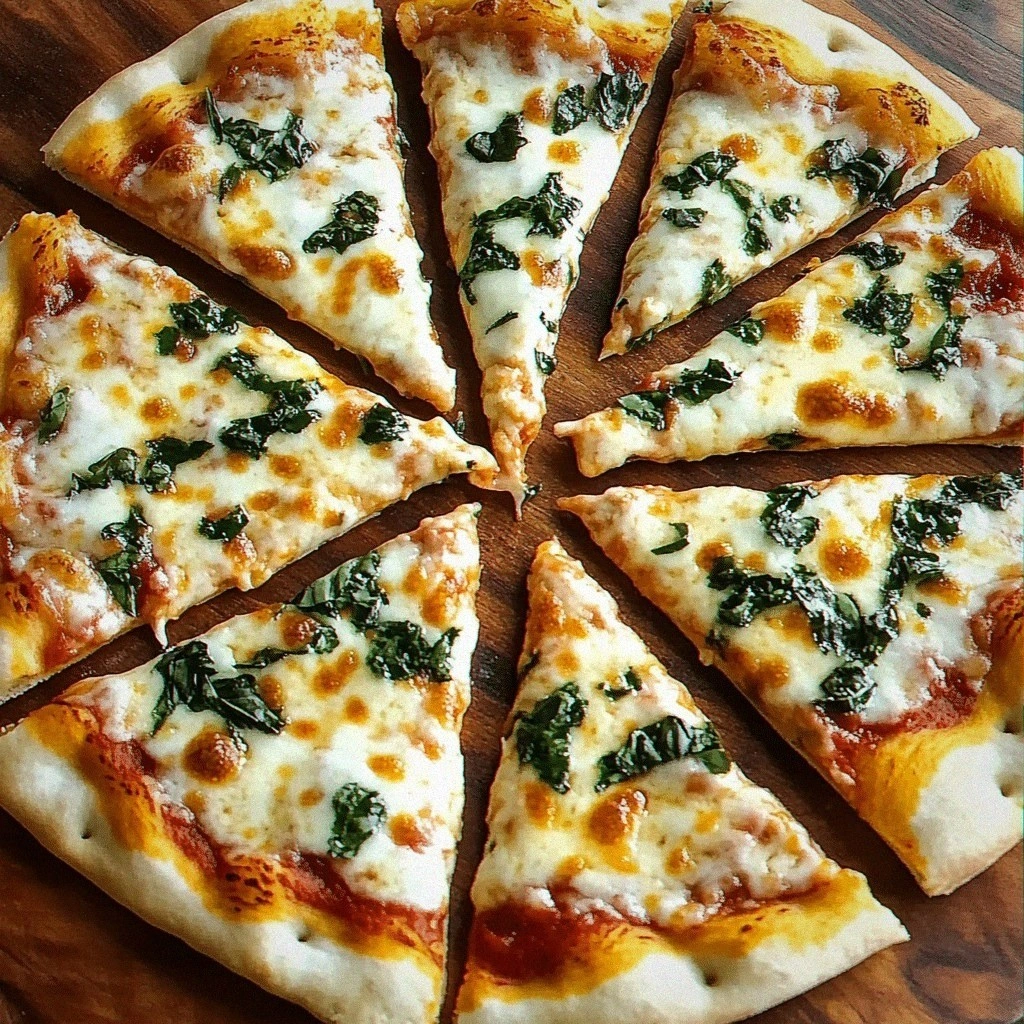
I still remember the first time I walked into my grandmother’s kitchen on a crisp autumn afternoon, the air thick with the scent of rosemary, fresh garlic, and something buttery that seemed to whisper “comfort” from the oven. The moment she pulled a steaming white pizza out of the stone‑baked oven, a cloud of fragrant steam rose and wrapped around us like a warm blanket, and I could see the tiny specks of golden crust glistening under the kitchen light. That simple, yet unforgettable, slice was the catalyst for a lifelong love affair with pizza that never needed a tomato sauce to feel complete. The creamy ricotta, the melt‑in‑your‑mouth mozzarella, and the bright burst of fresh basil created a harmony that still makes my heart skip a beat every time I think about it.
What makes this white pizza stand out isn’t just the lack of red sauce—it’s the way each ingredient is treated with reverence, allowing the flavors to shine individually and together. The cornmeal dusted on the dough gives the crust a subtle, nutty crunch that you’ll hear when you bite into it, while the extra‑virgin olive oil carries the aromatics into every crevice. I’ve spent years tweaking the balance of cheese, garlic, and herbs, and the version you’re about to try is the result of countless family gatherings, late‑night cravings, and a few happy accidents. Have you ever wondered why restaurant white pizzas sometimes taste flat? The secret often lies in the quality of the mozzarella and the timing of the bake—two things we’ll get into shortly.
But wait—there’s a little trick I only discovered after my third attempt that takes this pizza from “delicious” to “drop‑the‑spoon‑and‑eat‑it‑with‑your‑hands” amazing. I’m talking about a quick dusting of yellow cornmeal that creates a crust that’s both crisp and tender, a texture contrast that keeps you reaching for another slice. I’ll reveal that secret in step 4, so keep reading! The anticipation builds, and you’ll find yourself humming the rhythm of the kitchen as you prep each component.
Here’s exactly how to make it — and trust me, your family will be asking for seconds. Grab a bowl, roll up your sleeves, and let’s dive into a pizza that feels like a hug on a plate. The journey from flour‑dusted countertop to a bubbling, golden masterpiece is about to begin, and the best part? You’ll have a recipe that’s simple enough for a weeknight but impressive enough for a weekend dinner party.
🌟 Why This Recipe Works
- Flavor Depth: The combination of fresh mozzarella, ricotta, and Parmesan creates layers of creamy, salty, and tangy notes that dance on the palate without overwhelming it. Each cheese melts at a slightly different rate, giving you pockets of gooey bliss and crisp, caramelized edges.
- Texture Contrast: The cornmeal dusting on the dough forms a lightly crunchy base, while the interior stays soft and airy, offering a satisfying bite every time. This contrast keeps the pizza interesting from the first to the last mouthful.
- Ease of Execution: No tomato sauce means fewer steps and less mess, making it perfect for both beginners and seasoned cooks who want a quick, reliable dinner.
- Time Efficiency: With a total prep and cook time under an hour, you can have a restaurant‑quality pizza on the table faster than you can finish a bottle of wine.
- Versatility: The base is a blank canvas that welcomes additions like roasted vegetables, prosciutto, or even a drizzle of truffle oil without losing its identity.
- Nutrition Balance: While indulgent, the use of ricotta and mozzarella provides protein and calcium, and the olive oil adds heart‑healthy fats.
- Ingredient Quality: By focusing on high‑quality dairy and fresh herbs, the pizza showcases the pure flavors of each component, making the dish feel upscale without the price tag.
- Crowd‑Pleasing Factor: Even picky eaters who shy away from tomato sauce find this white pizza approachable and delicious, making it a safe bet for any gathering.
🥗 Ingredients Breakdown
The Foundation
The dough is the canvas, and in this recipe we rely on a pound of either homemade or store‑bought pizza dough. A good dough should be supple, slightly tacky, and able to stretch without tearing—this is why a touch of yellow cornmeal is dusted onto the surface before shaping. The cornmeal not only prevents sticking but also adds a subtle, nutty flavor that becomes evident once the crust is baked to a golden hue. If you’re feeling adventurous, you can swap the cornmeal for fine semolina for an even richer crunch, though the cornmeal is my go‑to for its mellow sweetness.
Aromatics & Spices
Garlic is the star of the aromatics, and we use two cloves finely grated so that every bite carries a gentle, aromatic heat without the harsh bite of raw garlic. The crushed red pepper flakes (¼ teaspoon) add a whisper of heat that wakes up the palate without stealing the spotlight from the creamy cheeses. A pinch of kosher salt and freshly ground black pepper rounds out the seasoning, enhancing the natural flavors of the dairy and the dough. If you love a spicier kick, feel free to double the red pepper flakes, but remember that a little goes a long way.
The Secret Weapons
Fresh mozzarella, torn into small pieces, offers meltiness that stretches beautifully when the pizza emerges from the oven. The ricotta (½ cup) is dolloped in generous spoonfuls, creating pockets of cloud‑like softness that contrast with the mozzarella’s stretch. Finally, a third cup of freshly grated Parmesan brings a salty, nutty depth that browns into a crisp, caramelized layer on top. Together, these cheeses create a symphony of textures and flavors that define a classic white pizza.
Finishing Touches
A drizzle of extra‑virgin olive oil (2 tablespoons) before baking helps the cheese brown evenly and adds a glossy finish. Fresh basil leaves, added after the pizza comes out of the oven, provide a burst of bright, herbaceous aroma that cuts through the richness of the cheese. For an extra layer of flavor, you can lightly crush the basil leaves between your fingers before sprinkling them over the hot pizza, releasing their essential oils. The result is a pizza that smells as inviting as it looks.
With your ingredients prepped and ready, let's get cooking. Here’s where the fun really begins...
🍳 Step-by-Step Instructions
Preheat your oven to 500°F (260°C) and place a pizza stone on the middle rack; let it heat for at least 30 minutes. While the stone warms, sprinkle a generous amount of yellow cornmeal onto a clean work surface and onto a large pizza peel. This cornmeal creates a non‑stick barrier and adds a subtle crunch to the crust. The moment you feel the dough yielding under your fingertips, you’ll know it’s ready for shaping.
Take the pound of pizza dough and gently press it into a round disc about 12 inches in diameter, leaving a slightly thicker edge for the crust. Drizzle 1 tablespoon of extra‑virgin olive oil over the dough and use your fingertips to spread it evenly, ensuring every corner gets a light coating. This oil acts as a carrier for the garlic and pepper flakes, infusing the base with flavor before it even meets the heat.
In a small bowl, combine the finely grated garlic, crushed red pepper flakes, a pinch of kosher salt, and freshly ground black pepper. Sprinkle this aromatic mixture evenly over the oiled dough, then drizzle the remaining tablespoon of olive oil across the top. The garlic will sizzle gently as the pizza bakes, releasing a sweet, caramelized aroma that fills the kitchen.
Scatter the torn fresh mozzarella pieces across the surface, ensuring an even distribution so every bite gets a melt. Drop dollops of ricotta (½ cup) in a spaced‑out pattern, using the back of a spoon to create small, round pools. Finally, sprinkle the grated Parmesan over the entire pizza, covering the cheese islands and creating a thin, golden blanket that will turn crispy in the oven.
Slide the prepared pizza onto the preheated stone using the peel, listening for that satisfying sizzle as the crust meets the intense heat. Bake for 10‑12 minutes, or until the edges are a deep golden‑brown and the cheese is bubbling with a hint of caramelization. You’ll know it’s ready when the crust has a crisp, audible snap and the cheese forms a lightly browned, fragrant crust.
Remove the pizza from the oven and immediately scatter fresh basil leaves over the hot surface. The residual heat wilts the basil just enough to release its essential oils without turning it bitter. Let the pizza rest for 2‑3 minutes; this allows the cheese to set slightly, making slicing easier and preserving those gorgeous cheese pulls.
Slice with a sharp pizza cutter, drizzle a final splash of extra‑virgin olive oil if you like, and serve while the crust is still warm and the cheese is still stretchy. Go ahead, take a taste — you’ll know exactly when it’s right. The combination of the nutty cornmeal crust, the creamy cheese trio, and the bright basil creates a flavor profile that’s both comforting and sophisticated.
And there you have it! But before you dig in, let me share some tips that will take this from great to absolutely unforgettable. Trust me on this one, because the little tweaks I’m about to reveal have turned my casual family dinners into memorable feasts that guests rave about for weeks.
🔐 Expert Tips for Perfect Results
The Taste Test Trick
Before you slide the pizza into the oven, give the dough a quick press with your fingertip; you should feel a slight springiness that indicates proper hydration. If the dough feels too stiff, a splash of water on the surface can revive it. This tiny test saves you from a soggy crust and ensures a light, airy bite.
Why Resting Time Matters More Than You Think
Allowing the dough to rest for 5‑10 minutes after shaping lets the gluten relax, preventing the edges from pulling back during baking. I once rushed this step and ended up with a crust that curled up like a miniature bowl—definitely not the look I was aiming for. Patience here translates directly into a uniform, beautiful crust.
The Seasoning Secret Pros Won’t Tell You
A pinch of flaky sea salt added just after the pizza comes out of the oven can elevate the flavors dramatically. The salt crystals provide a tiny crunch that contrasts with the creamy cheese, adding a surprising textural element. I discovered this trick after watching a professional pizzaiolo on a cooking show, and it’s become a staple in my kitchen.
The Baking Surface Debate
While a pizza stone gives you that classic brick‑oven crunch, a heavy‑duty steel sheet can produce an even faster, crisper bottom thanks to its superior heat conductivity. If you have both, try alternating them to see which you prefer; the steel tends to brown the cheese a touch quicker, while the stone offers a more even bake.
Cheese Placement Strategy
Instead of scattering all the cheese uniformly, try a “ring” method: place mozzarella around the outer third of the pizza, and reserve the center for dollops of ricotta. This creates a pleasing visual contrast and ensures the center stays extra creamy while the edges develop that coveted caramelized edge.
The Final Flourish
A light dusting of freshly cracked black pepper right before serving adds a subtle heat that lingers on the palate. Pair the pizza with a crisp white wine—like a Sauvignon Blanc or a lightly oaked Chardonnay—and you’ve got a dinner that feels both casual and refined. I once served this with a glass of chilled Prosecco, and the bubbles made the cheese feel even lighter.
🌈 Delicious Variations to Try
One of my favorite things about this recipe is how versatile it is. Here are some twists I've tried and loved:
Mushroom Medley
Swap half of the mozzarella for sautéed wild mushrooms (shiitake, cremini, and oyster work beautifully). The earthy umami of the mushrooms pairs perfectly with the creamy ricotta, and a drizzle of truffle oil after baking adds a luxurious finish.
Prosciutto & Fig
After baking, top the pizza with thin slices of prosciutto and fresh fig quarters. The salty prosciutto balances the sweet figs, creating a sophisticated sweet‑savory combo that’s perfect for a brunch gathering.
Spinach & Artichoke
Add a layer of wilted spinach and marinated artichoke hearts before the cheese. This variation introduces a slight tang and a burst of green that brightens the overall flavor profile, making it feel lighter without sacrificing richness.
Spicy Sausage & Red Pepper
Crumble Italian spicy sausage and scatter thin strips of roasted red pepper over the pizza before baking. The heat from the sausage and the sweetness of the pepper complement the cheese, creating a robust flavor that satisfies spice lovers.
Herb‑Infused Olive Oil Drizzle
Infuse your olive oil with rosemary, thyme, and a hint of garlic, then drizzle it over the pizza just before serving. This aromatic finish adds a fragrant layer that makes the pizza feel extra special, especially for dinner parties.
📦 Storage & Reheating Tips
Refrigerator Storage
Allow the pizza to cool completely, then slice and store the pieces in an airtight container. It will keep nicely for up to 3 days, and the flavors actually meld together, making the leftovers taste even richer. For best texture, place a sheet of parchment paper between layers to prevent sticking.
Freezing Instructions
Wrap the whole pizza tightly in plastic wrap, then foil, and freeze for up to 2 months. When you’re ready to enjoy, preheat the oven to 425°F (220°C) and bake the frozen pizza directly on a preheated stone for 12‑15 minutes, or until the cheese is bubbly and the crust is crisp. The trick to reheating without drying it out? A splash of water in the oven’s lower rack creates steam that keeps the cheese moist.
Reheating Methods
For a quick slice, use a skillet over medium heat, cover with a lid, and heat for 3‑4 minutes; the bottom will crisp while the cheese melts. Alternatively, the oven method (350°F for 8‑10 minutes) restores the original texture best, especially if you’re reheating multiple slices at once.
❓ Frequently Asked Questions
Can I use a gluten‑free crust?
Do I have to use fresh mozzarella?
What’s the best way to store leftover ricotta?
Can I add tomato sauce and still call it a white pizza?
How do I prevent the cheese from sliding off the pizza?
Is it okay to use pre‑shredded Parmesan?
Can I make this pizza on a grill?
What wine pairs best with white pizza?


Other Reader Favorites
 Appetizers
superbowl party decorations: 5 easy ideas to wow guests
Learn how to make delicious superbowl party decorations: 5 easy ideas to wow guests. Easy recipe…
 Dinner
Winter White Chicken Chili with Green Chiles
Learn how to make delicious Winter White Chicken Chili with Green Chiles. Easy recipe with step-by-step…
 Appetizers
Crispy Dill Delights – Crunchy Air-Fried Pickle Chips
Delicious Crispy Dill Delights – Crunchy Air-Fried Pickle Chips
 Dinner
Crispy Mayonnaise Panko Crusted Baked Fish: A Deliciously Simple Recipe
Delicious Crispy Mayonnaise Panko Crusted Baked Fish: A Deliciously Simple Recipe