Savory Sesame-Ginger Beef: Quick Weeknight Delight
 Save
Save
The first time I tried to make a quick weeknight dinner that felt like a restaurant special, I was juggling a toddler on one hip and a pot of boiling water on the stove. I remember the moment I tossed a thin slice of beef into a hot pan, the sizzle singing like a tiny fireworks show, and a wave of ginger‑infused steam rising to meet my nose. It was the kind of aroma that makes you pause, lean over the burner, and whisper, “What on earth is that wonderful smell?” That night, the simple combination of sesame, ginger, and a splash of soy turned a rushed Tuesday into a culinary celebration.
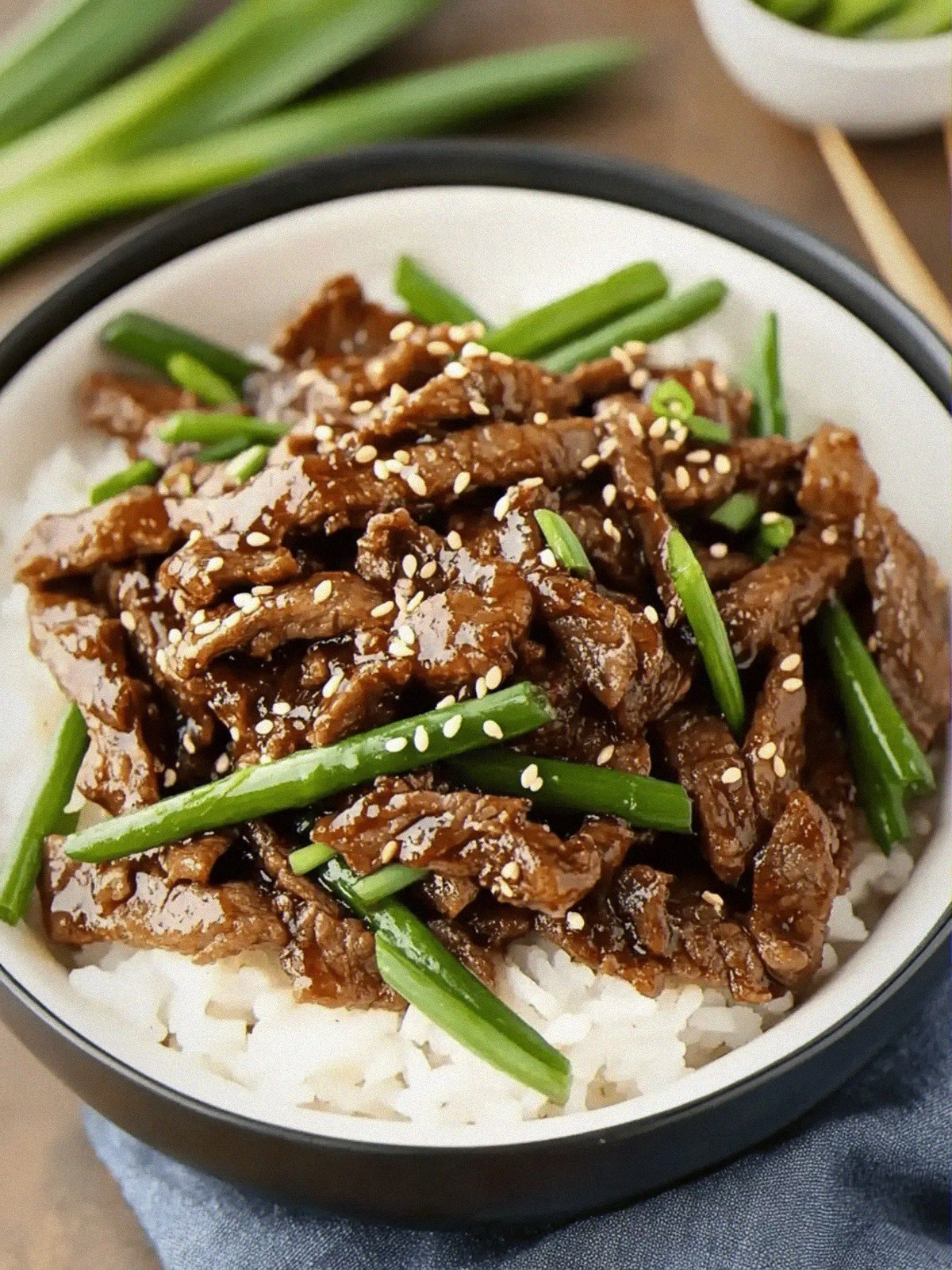
Fast forward a few years, and the recipe has become a staple in my household. I’ve served it to friends who swear they’ve never tasted anything like it, and I’ve even brought it to potlucks where it disappears before the last bite is taken. What makes it truly special isn’t just the bold flavors; it’s the way the textures play together—the tender bite of beef, the crisp snap of fresh vegetables, and the glossy, slightly caramelized sauce that clings to every piece. Imagine the bright orange of ginger, the nutty sheen of sesame oil, and the deep, umami kiss of soy sauce dancing together in a pan.
But wait—there’s a secret trick hidden in step four that will take the dish from good to unforgettable. Have you ever wondered why restaurant versions of sesame‑ginger beef always have that perfect glossy finish? The answer lies in a tiny, often overlooked ingredient that I’ll reveal later. Trust me, once you master that little detail, you’ll never look at a stir‑fry the same way again.
Here’s the thing: this recipe is designed for busy evenings, yet it never compromises on flavor or texture. It’s quick, it’s adaptable, and it invites you to experiment with the vegetables you have on hand. The best part? It’s a one‑pan wonder, meaning less cleanup and more time to sit down and enjoy the fruits of your labor. So, grab your cutting board, heat that wok, and let’s dive into a dish that will have your family asking for seconds—again and again.
🌟 Why This Recipe Works
- Flavor Depth: The marriage of soy sauce and sesame oil creates a layered umami base that feels both familiar and exotic. Each bite delivers a salty‑sweet balance that keeps the palate engaged from start to finish.
- Texture Harmony: Thinly sliced beef cooks in seconds, staying tender, while the cornstarch coating gives it a light, velvety crust. Meanwhile, the vegetables retain a satisfying crunch, preventing the dish from becoming mushy.
- Speed & Simplicity: With a total prep time of about fifteen minutes and a cooking window of thirty, you can have a gourmet‑style dinner on the table before the kids finish their homework.
- Versatility: Swap the beef for tofu or seitan for a vegetarian twist, or change the veggies based on what’s in season. The core sauce stays the same, making it a flexible foundation for countless meals.
- Nutrition Boost: Lean beef provides high‑quality protein, while the ginger adds anti‑inflammatory benefits. The vegetables contribute fiber and vitamins, turning a quick stir‑fry into a balanced plate.
- Crowd‑Pleaser Factor: The glossy, aromatic sauce is instantly appealing, and the familiar flavors of sesame and ginger are universally loved, making it a safe bet for picky eaters and adventurous diners alike.
🥗 Ingredients Breakdown
The Foundation: Beef & Protein Power
The star of this dish is 1 pound of beef, preferably sirloin or ribeye. These cuts are marbled just enough to stay juicy during the high‑heat sear, yet they’re lean enough to keep the dish light. If you’re looking for a plant‑based version, the same weight of tofu or seitan works beautifully, absorbing the sauce while offering a satisfying bite. When choosing beef, look for a bright red color and a fine grain; avoid any meat that looks grayish or has a strong odor.
Aromatics & Spices: The Flavor Engines
Fresh ginger is the hero here—1 tablespoon, finely minced, releases a zingy, peppery heat that cuts through the richness of the beef. Pair it with 2 tablespoons of soy sauce, which brings salty, umami depth, and 1 tablespoon of sesame oil for that unmistakable nutty aroma. Together, they form a sauce that’s both bold and balanced. If you’re out of fresh ginger, a high‑quality powdered ginger can substitute, but the fresh version adds a bright, aromatic snap that powders can’t mimic.
The Secret Weapons: Cornstarch & Broth
A tablespoon of cornstarch, tossed with the beef before cooking, creates a thin veil that locks in moisture and gives the final sauce a silky sheen. This is the same technique chefs use to achieve that glossy restaurant finish. Meanwhile, a cup of vegetable broth adds a gentle steam that prevents the beef from drying out and helps deglaze the pan, pulling up caramelized bits that intensify the flavor. Choose a low‑sodium broth if you’re watching salt intake, but don’t skimp on quality—the broth is the silent carrier of flavor.
Finishing Touches: Vegetables & Balance
Two cups of mixed vegetables—think bell peppers, snap peas, carrots, and broccoli—bring color, crunch, and a natural sweetness that offsets the salty sauce. When selecting vegetables, aim for a mix of textures: something crisp (snap peas), something tender (carrots), and something that adds a slight bitterness (broccoli stems). This variety ensures every forkful is exciting. If you’re cooking in the off‑season, frozen stir‑fry blends work fine; just be sure to thaw and pat them dry to avoid excess water in the pan.
With your ingredients prepped and ready, let's get cooking. Here’s where the fun really begins...
🍳 Step-by-Step Instructions
🔐 Expert Tips for Perfect Results
The Taste Test Trick
Always taste the sauce before you finish cooking. A quick spoonful will reveal if you need a pinch more salt, a splash of acidity (like a dash of rice vinegar), or an extra hint of sweetness. I once served a batch that was a touch too salty because I skipped this step, and my guests politely suggested a squeeze of lime. Trust me on this one: a tiny adjustment at the end can elevate the entire dish.
Why Resting Time Matters More Than You Think
After the pan is off the heat, let the dish sit for a minute or two. This pause lets the cornstarch coating on the beef re‑absorb some of the sauce, making each bite juicier. I learned this the hard way when I rushed straight to the table and found the beef a little dry. A brief rest is the secret behind that restaurant‑level tenderness.
The Seasoning Secret Pros Won’t Tell You
A pinch of Chinese five‑spice powder can add an unexpected depth without overpowering the sesame‑ginger base. It’s subtle, warm, and gives the dish a whisper of clove, star anise, and cinnamon. I first discovered this when a friend from a culinary school whispered the tip over a dinner party, and it instantly became my go‑to upgrade.
Mastering the Veggie Crunch
If you love that crisp snap, blanch the vegetables for 30 seconds in boiling water before stir‑frying. This quick blanch preserves color and texture, then the high‑heat stir‑fry adds caramelized edges. I once overcooked my broccoli, and it turned mushy; the blanch‑then‑sear method saved the day and kept the bite lively.
The Power of Proper Heat
A wok or heavy‑bottomed skillet is essential for achieving that sear without steaming. Preheat the pan until a drop of water flicks and evaporates instantly—that’s the sweet spot. If the pan isn’t hot enough, the beef will release moisture and end up stewed rather than seared. The result? A dish that looks and tastes like it came from a professional kitchen.
🌈 Delicious Variations to Try
One of my favorite things about this recipe is how versatile it is. Here are some twists I've tried and loved:
Spicy Szechuan Kick
Add 1‑2 teaspoons of Szechuan peppercorn oil and a handful of dried red chilies during the vegetable stir‑fry stage. The peppercorn oil brings a tingling, numbing sensation that pairs beautifully with the ginger’s heat, creating a layered spice profile that’s both bold and balanced.
Coconut Curry Fusion
Swap half of the vegetable broth for coconut milk and stir in a tablespoon of red curry paste. The creamy coconut adds richness, while the curry paste introduces aromatic depth. This version feels like a tropical escape, perfect for a weekend dinner when you want something a little more indulgent.
Garlic‑Lemon Brightness
Incorporate 2 minced garlic cloves alongside the ginger, and finish the dish with a squeeze of fresh lemon juice right before serving. The lemon adds a bright acidity that cuts through the sesame oil, while the garlic deepens the savory foundation. It’s a fresh take that’s especially lovely in the summer.
Mushroom Medley
Add a cup of sliced shiitake or cremini mushrooms when you introduce the vegetables. The mushrooms soak up the sauce, adding an earthy umami note that complements the beef. I love this variation when I’m craving a heartier, more comforting bowl.
Sweet‑And‑Sour Twist
Replace the honey with pineapple juice and add a tablespoon of rice vinegar. The pineapple adds natural sweetness and a subtle tang, while the vinegar brightens the overall flavor. This version is a playful nod to classic sweet‑and‑sour dishes, and kids tend to love the slight fruity note.
📦 Storage & Reheating Tips
Refrigerator Storage
Allow the dish to cool to room temperature for no more than two hours before transferring it to an airtight container. It will keep fresh in the fridge for up to three days. When storing, place a piece of parchment paper on top of the sauce to absorb excess moisture and preserve the glossy texture.
Freezing Instructions
For longer‑term storage, portion the beef and vegetables into freezer‑safe bags, leaving a little headspace for expansion. Freeze for up to two months. To reheat, thaw overnight in the fridge, then stir‑fry in a hot pan with a splash of broth to revive the sauce’s sheen.
Reheating Methods
The trick to reheating without drying it out? A splash of water or broth in a skillet over medium heat, covered for two minutes, then uncovered to let the sauce thicken again. If you’re using a microwave, cover the dish with a damp paper towel and heat in 30‑second intervals, stirring in between to redistribute the sauce.
❓ Frequently Asked Questions
Can I use a different cut of beef?
What if I don’t have cornstarch?
Is it okay to use low‑sodium soy sauce?
Can I make this dish vegetarian?
What vegetables work best?
How do I avoid a soggy sauce?
Can I prepare the sauce ahead of time?
What side dishes pair best?
Turn off the heat and let the pan sit for a minute. This short rest allows the flavors to meld, creating a harmonious blend that’s deeper than the sum of its parts. While the dish rests, you can prepare a bowl of steamed rice or noodles, which will act as the perfect canvas for the savory sauce.
Serve the beef and vegetables hot, garnished with a sprinkle of toasted sesame seeds and a few thinly sliced green onions for a pop of color and fresh bite. The sesame seeds add a subtle crunch, while the green onions contribute a bright, oniony aroma that lifts the whole plate. Go ahead, take a taste — you’ll know exactly when it’s right.