Korean Beef Bowls Recipe: A Delicious Journey into Korean Cuisine
 Save
Save
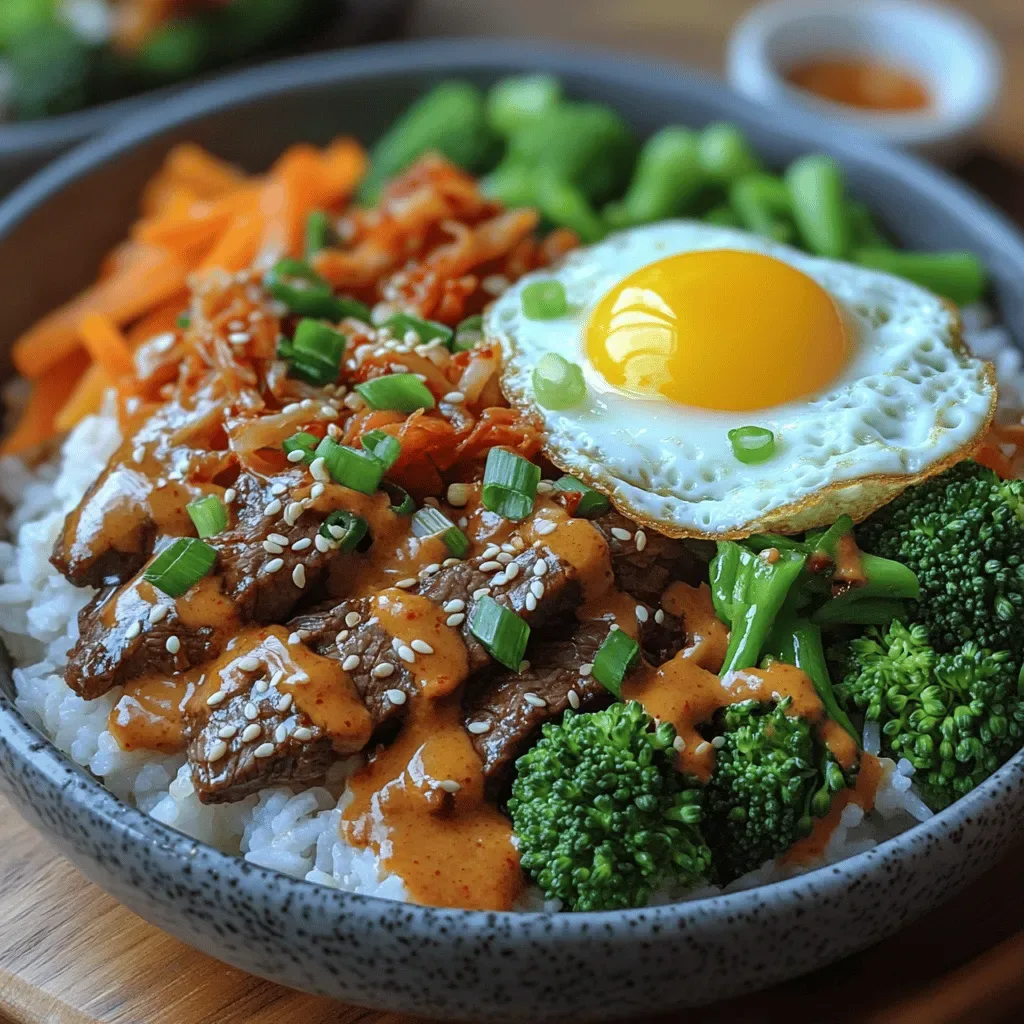
Imagine the aroma of sizzling beef, the sweet‑savory kiss of gochujang, and a bowl of fluffy rice waiting to soak up every drop. Korean Beef Bowls bring that restaurant‑level excitement straight to your kitchen, perfect for a lazy weekend brunch or a quick weekday breakfast.
What makes this dish stand out is the harmony between tender, marinated beef and a glossy, umami‑rich sauce that tingles the palate without overwhelming it. A sprinkle of toasted sesame seeds and a handful of crisp scallions add texture and a burst of freshness.
This bowl is ideal for anyone who loves bold flavors but craves convenience—busy parents, college students, and seasoned home cooks alike will appreciate how fast it comes together while still feeling indulgent.
The process is straightforward: marinate thinly sliced beef, quickly sear it in a hot pan, toss with the sauce, then serve over steamed rice or cauliflower rice, topped with veggies and garnishes. In under an hour you’ll have a vibrant, satisfying meal.
Why You'll Love This Recipe
Bold Korean Flavors: Gochujang, sesame oil, and ginger create a deep, slightly spicy glaze that transports your taste buds straight to Seoul without any travel.
Speedy Weekday Solution: With a 20‑minute prep and 30‑minute cook, this bowl fits perfectly into a busy schedule while still feeling special.
Customizable Base: Serve over rice, quinoa, or cauliflower rice, allowing you to tailor the carb level to your dietary preferences.
Balanced Nutrition: Lean beef provides protein and iron, while the veggies add fiber and vitamins, making it a wholesome brunch option.
Tips & Tricks
Perfecting the Recipe
Thin Slices Matter: Slice the beef against the grain about ¼‑inch thick. Thin pieces cook quickly and stay tender, preventing a chewy texture.
High Heat, Short Time: Keep the skillet hot and avoid over‑cooking. This preserves the beef’s juiciness and keeps the sauce from turning bitter.
Dry Ingredients: Pat vegetables dry before adding them to the pan. Excess moisture will steam rather than sauté, diluting the sauce.
Rest Before Serving: Let the cooked beef rest for a few minutes; this step locks in moisture and makes the final bowl more succulent.
Flavor Enhancements
Add a splash of toasted rice vinegar at the end for bright acidity, or stir in a teaspoon of gochugaru (Korean red pepper flakes) for extra heat. A drizzle of nutty peanut butter can transform the sauce into a richer, creamier version.
Common Mistakes to Avoid
Do not overcrowd the pan; it will steam the beef instead of searing it. Also, avoid adding the sauce too early—if the pan isn’t hot enough, the sauce can become watery and fail to caramelize.
Pro Tips
Use a Cast‑Iron Skillet: It retains heat superbly, giving you a consistent sear and preventing hot spots.
Finish with a Butter Glaze: Swirl in ½ tablespoon of unsalted butter at the end of cooking for a velvety mouthfeel.
Batch Prep the Sauce: Make the sauce in advance and store it in the fridge; it intensifies in flavor after a few hours.
Serve Immediately: The rice and beef are at their best when hot; lingering will cause the sauce to thicken too much.
Variations
Ingredient Swaps
Feel free to replace ribeye with ground turkey, pork shoulder, or firm tofu for a plant‑based version. Swap carrots for julienned bell peppers or snap peas to change the texture. If you prefer less sweetness, use a low‑glycemic sweetener like erythritol instead of honey.
Dietary Adjustments
For a gluten‑free bowl, choose tamari or a certified gluten‑free soy sauce. To keep it dairy‑free, simply omit the optional butter glaze. Keto lovers can serve the beef over cauliflower rice and replace honey with a keto‑friendly sweetener.
Serving Suggestions
Pair the bowls with a side of pickled radish or a simple miso soup for a complete brunch. For extra crunch, sprinkle crushed roasted peanuts or add a handful of shredded nori sheets.
Storage Info
Leftover Storage
Allow the bowl to cool to room temperature (no more than 2 hours), then transfer the beef and sauce to an airtight container. Store separate from rice to prevent sogginess. Refrigerate for up to 3 days. For longer keep, freeze the beef portion in a freezer‑safe bag for up to 2 months; the sauce freezes well, too.
Reheating Instructions
Reheat the beef and sauce in a skillet over medium heat, adding a splash of water or broth to restore gloss. Warm the rice in the microwave (covered with a damp paper towel) for 1‑2 minutes. Combine just before serving and finish with fresh scallions and sesame seeds.
Frequently Asked Questions
Can I make this recipe ahead of time?
What can I use instead of gochujang?
How do I keep the vegetables crisp?
This Korean Beef Bowl brings bold, authentic flavors to your breakfast or brunch table with minimal effort. By following the detailed steps, using fresh ingredients, and applying the tips provided, you’ll achieve a restaurant‑quality dish every time. Feel free to swap proteins, adjust the heat, or experiment with toppings—cooking is an adventure, and this bowl is your passport. Enjoy the vibrant taste of Korea right at home!
Korean Beef Bowls Recipe: A Delicious Journey into Korean Cuisine
Delicious Korean Beef Bowls Recipe: A Delicious Journey into Korean Cuisine
Ingredients
Main Ingredients
- 1 pound thinly sliced ribeye or sirloin
- 2 cups cooked white rice (or cauliflower rice)
- 1 cup shredded carrots
- ½ cup sliced cucumber, thinly sliced
Sauce & Marinade
- 3 tablespoons gochujang (Korean red pepper paste)
- 2 tablespoons soy sauce (or tamari for gluten‑free)
- 1 tablespoon honey (or maple syrup)
- 1 tablespoon rice vinegar
- 1 teaspoon sesame oil
Aromatics & Garnish
- 2 cloves garlic, minced
- 1 tablespoon fresh ginger, grated
- 2 green onions, sliced thinly
- 1 tablespoon toasted sesame seeds
- Optional: ¼ cup kimchi, chopped
Instructions
Cooking the Beef
- Heat the Pan. Place a large skillet or wok over medium‑high heat for 2–3 minutes until it’s hot enough that a drop of water sizzles instantly. Add 1 tablespoon of neutral oil (such as canola) and swirl to coat.
- Sear the Beef. Add the marinated beef in a single layer, being careful not to overcrowd. Let it sear undisturbed for 1 minute; this creates a caramelized crust. Flip and cook another 1–2 minutes until the meat is just cooked through and the sauce begins to thicken.
- Deglaze & Finish Sauce. If the pan looks dry, splash in 2 tablespoons of water or broth. Stir, scraping up the browned bits (fond) that are packed with flavor. Reduce the heat to low and let the sauce coat the beef for another minute, achieving a glossy finish.
- Rest the Beef. Transfer the cooked beef to a plate and loosely cover with foil. Resting for 5 minutes allows juices to redistribute, ensuring each bite stays moist.
- Prepare the Rice. While the beef rests, fluff the cooked rice (or heat the cauliflower rice) and keep it warm. This timing ensures everything arrives at the table hot.
Similar Recipes
 Dinner
Creamy Spinach and Ricotta Stuffed Shells Delight
Delicious Creamy Spinach and Ricotta Stuffed Shells Delight
 Dinner
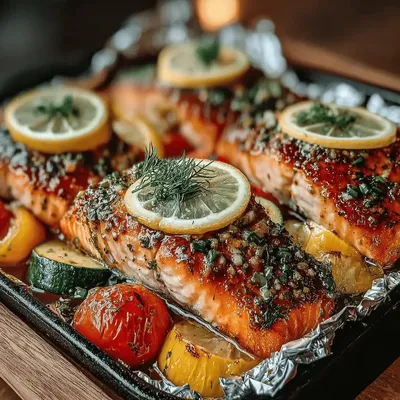
Citrusy Salmon Delight: A Flavorful Journey
Delicious Citrusy Salmon Delight: A Flavorful Journey
 Dinner
Authentic Pollo Asado Recipe: A Flavorful Journey Through Latin Cuisine
Delicious Authentic Pollo Asado Recipe: A Flavorful Journey Through Latin Cuisine
 Dinner
Cheesy Stuffed Bell Peppers Recipe
Delicious Cheesy Stuffed Bell Peppers Recipe
 Dinner
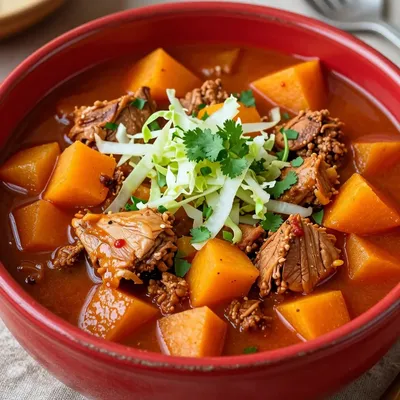
slow cooker turkey and winter squash chili with cabbage and root veggies
Learn how to make delicious slow cooker turkey and winter squash chili with cabbage and root…
 Dinner
25-Minuten vegane Sun Dried Tomato Pasta – unwiderstehlich!
Learn how to make delicious 25-Minuten vegane Sun Dried Tomato Pasta – unwiderstehlich!. Easy recipe with…
 Dinner
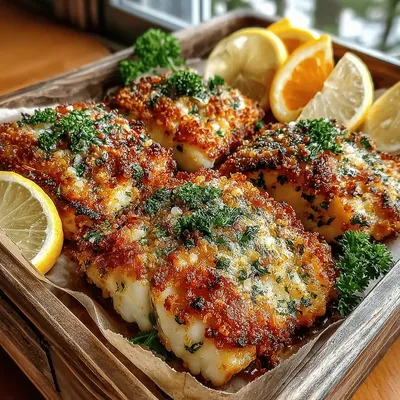
Zesty Lemon Parmesan Tilapia Delight
Delicious Zesty Lemon Parmesan Tilapia Delight
 Dinner
Mouthwatering Spicy Cajun Shrimp: An Exquisite Seafood Delight
Delicious Mouthwatering Spicy Cajun Shrimp: An Exquisite Seafood Delight

Caroline
I cook these recipes at home before they ever land here — simple ingredients, clear steps.