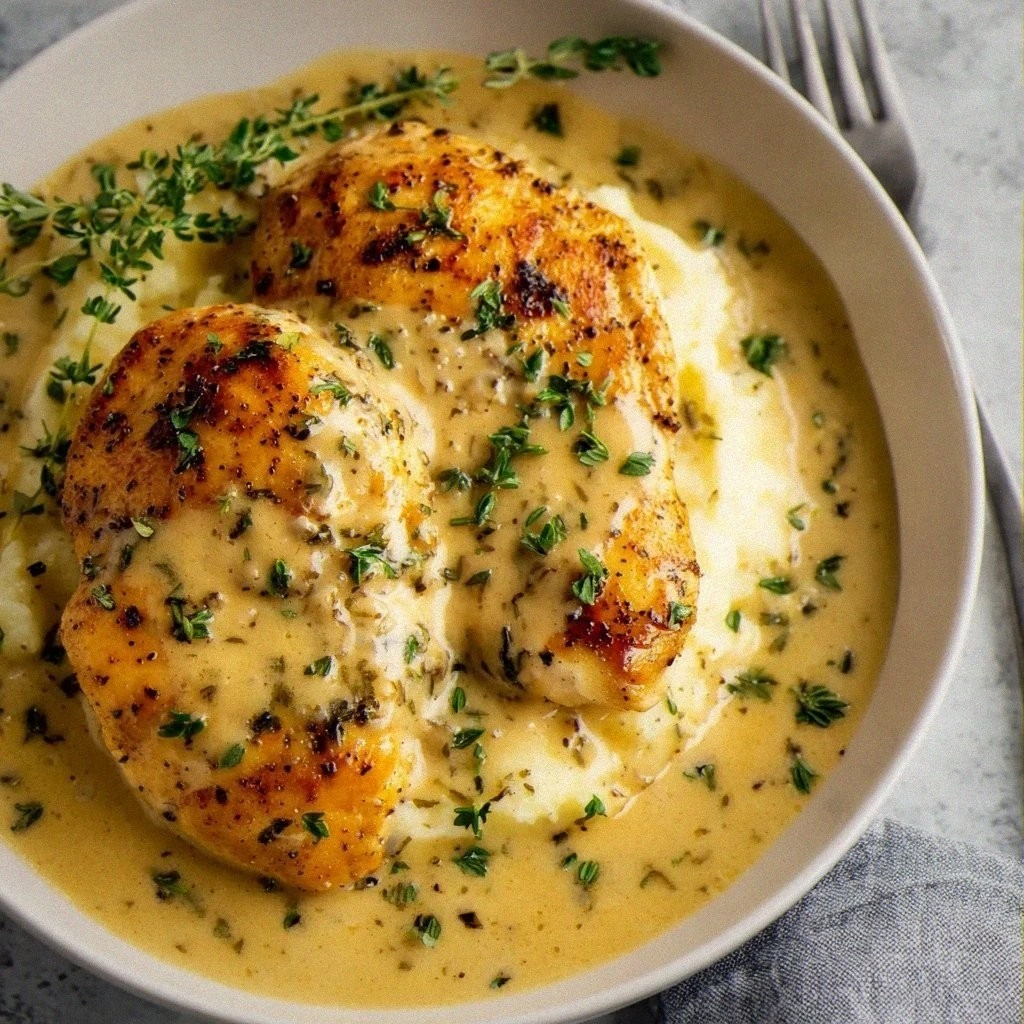
Tender Chicken Breasts in Creamy Dijon Sauce – A Restaurant-Quality Meal Made Simple
 Save
Save
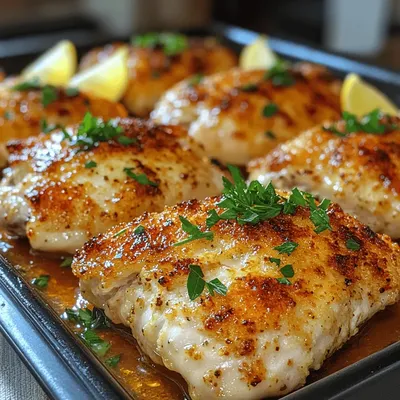
There’s a particular moment in my kitchen that I’ll never forget – the first time I tried to recreate a silky, restaurant‑style chicken dish I’d tasted on a breezy summer evening in a tiny bistro tucked away in the French countryside. I remember the soft hum of the refrigerator, the clink of the stainless‑steel pan, and the way the golden light from the window turned the countertop into a warm stage. When I lifted the lid off the pan, a cloud of fragrant steam, tinged with the sharp bite of Dijon and the sweet whisper of shallots, rose up and wrapped around me like an embrace. The aroma alone was enough to make my stomach rumble, but the true magic was watching the chicken breasts turn from plain, pale pieces into tender, glossy jewels bathed in a luscious, creamy sauce.
What makes this recipe so special is its uncanny ability to deliver that high‑end restaurant feel without demanding a professional kitchen or a slew of obscure ingredients. The combination of two mustards – classic Dijon for that clean, sharp edge, and whole‑grain mustard for a subtle, nutty crunch – creates a depth of flavor that dances on the palate. Add a splash of lemon juice and a sprinkle of fresh thyme, and you have a sauce that sings with brightness and earthiness all at once. The chicken stays juicy because it’s seared quickly at a high temperature, then finished gently in the sauce, allowing the meat to soak up every nuanced note. Imagine serving this to your family on a weekday night and hearing the delighted “wow” that usually only comes after a special occasion.
But wait – there’s a secret technique that takes the sauce from good to unforgettable, and I’ll reveal it in step four of the instructions. Have you ever wondered why restaurant versions of creamy mustard chicken never seem to separate or become grainy? The answer lies in a simple temperature trick and a tiny amount of heavy cream that stabilizes the emulsion. Trust me, once you master that, you’ll never look back. And if you think this sounds like a lot of work, hold on – the prep is straightforward, the cooking time is under an hour, and the ingredients are pantry‑friendly. The result? A dish that feels luxurious, yet is entirely within your reach.
Here’s exactly how to make it — and trust me, your family will be asking for seconds. Grab a skillet, gather the ingredients, and let’s dive into a culinary adventure that will turn an ordinary weeknight into a memorable feast. The steps are laid out clearly, the tips are tried and true, and the variations will keep you coming back for more. Ready? Let’s get cooking.
🌟 Why This Recipe Works
- Flavor Depth: The dual‑mustard approach layers sharpness with a gentle grainy texture, creating a sauce that’s both complex and comforting. Each bite delivers a balanced punch of acidity, heat, and richness that keeps the palate engaged.
- Texture Harmony: Searing the chicken breasts first locks in juices, while the creamy sauce adds a velvety coating that glides over the meat. The result is a perfect contrast between a lightly crisp exterior and a buttery interior.
- Ease of Execution: All the steps can be completed on a single stovetop, meaning fewer dishes and less cleanup. Even if you’re a busy parent, you can have this dinner on the table in under 45 minutes.
- Time Efficiency: The recipe balances quick searing with a gentle simmer, allowing flavors to meld without a long waiting period. You’ll spend most of your time savoring the aromas rather than staring at a clock.
- Versatility: This sauce pairs beautifully with a range of proteins – think pork tenderloin, turkey, or even firm tofu for a vegetarian twist. It also doubles as a delightful drizzle over roasted vegetables.
- Nutrition Boost: Using lean chicken breasts keeps the protein high while the modest amount of heavy cream provides a satisfying richness without overwhelming calories. The fresh thyme and lemon add antioxidants and a dose of vitamin C.
- Ingredient Quality: By focusing on high‑quality mustard and fresh aromatics, the dish showcases how simple, premium components can elevate a meal. You’ll taste the difference immediately.
- Crowd‑Pleasing Factor: The familiar flavors of mustard and cream appeal to both kids and adults, making it an ideal family‑friendly main course that feels special enough for guests.
🥗 Ingredients Breakdown
The Foundation
Olive Oil (2 tbsp): This is the silent workhorse that gives the chicken a golden crust while providing a subtle fruitiness that complements the mustard’s sharpness. Choose a cold‑pressed extra‑virgin variety for the best flavor profile, and remember that a little goes a long way – you don’t want the oil to dominate the sauce.
Boneless Skinless Chicken Breasts (4): The star of the show, these breasts are lean, tender, and absorb the sauce beautifully. When selecting, look for breasts that are uniform in thickness; this ensures even cooking and prevents dry spots. If you have time, lightly pound them to an even ½‑inch thickness for a uniform sear.
Aromatics & Spices
Salt and Pepper: The basic seasoning that amplifies every other flavor. I always season the chicken on both sides just before it hits the pan – this creates a crust that locks in moisture. Freshly cracked black pepper adds a gentle heat that balances the mustard’s bite.
Garlic (2 cloves) & Shallot (1 small): These aromatics form the fragrant base of the sauce. The garlic brings a warm, earthy note, while the shallot adds a sweet, onion‑like subtlety. When sautéed, they turn translucent and release a sweet perfume that makes your kitchen feel like a gourmet bistro.
The Secret Weapons
Chicken Broth (1 cup): This adds body and a savory depth without making the sauce watery. Use a low‑sodium broth so you can control the final salt level. If you have homemade broth, even better – it infuses the dish with a richer, more authentic flavor.
Dijon Mustard (1 tbsp) & Whole‑Grain Mustard (0.5 tbsp): The dynamic duo! Dijon delivers a clean, sharp tang, while whole‑grain mustard contributes texture and a nutty undertone. Together they create a sauce that’s both smooth and speckled with delightful bursts.
Heavy Cream (0.5 cup): The cream is the silk that binds everything together, turning the mustard‑infused broth into a velvety sauce. It also tempers the acidity, ensuring the final dish is balanced and luxurious.
Finishing Touches
Fresh Thyme (1 tsp): Thyme adds an herbaceous note that lifts the sauce, providing a fragrant finish that feels both rustic and refined. Strip the leaves from the stems just before adding to preserve their bright flavor.
Lemon Juice (1 tsp): A splash of lemon brightens the sauce, cutting through the richness of the cream and mustard. It also adds a subtle zing that makes each bite feel fresh.
Fresh Parsley: Chopped parsley is sprinkled at the end for a burst of color and a hint of peppery freshness. It’s the final garnish that makes the plate look restaurant‑ready.
With your ingredients prepped and ready, let's get cooking. Here's where the fun really begins...

🍳 Step-by-Step Instructions
🔐 Expert Tips for Perfect Results
The Taste Test Trick
Before you finish the dish, always give the sauce a quick taste test. A tiny spoonful should reveal a balance of tangy mustard, mellow cream, and a whisper of lemon. If the sauce feels too sharp, a dash more cream will round it out; if it’s too rich, a splash of broth or a pinch of salt can bring it back into harmony. This simple step ensures that each bite sings the same delightful note.
Why Resting Time Matters More Than You Think
After the chicken has cooked, let it rest for 3‑4 minutes before slicing. Resting allows the juices to redistribute throughout the meat, preventing them from spilling out onto the plate and leaving the chicken dry. I once sliced the chicken immediately, and the result was a sad, watery slice. The lesson? Patience pays off, and the sauce will cling better to the rested meat.
The Seasoning Secret Pros Won’t Tell You
Professional chefs often season in layers – a pinch before searing, another after deglazing, and a final touch at the end. Follow this method: season the chicken initially, then taste the sauce after adding the broth, and finally adjust with a pinch of salt after the cream is incorporated. This layered seasoning builds depth without ever overwhelming the palate.
Mastering the Cream Emulsion
When adding heavy cream, make sure the pan isn’t boiling fiercely. A gentle simmer prevents the fat from separating, keeping the sauce smooth. I once turned the heat up too high and watched the sauce split – a disappointing sight. The fix? Lower the heat, whisk vigorously, and add a splash of broth to bring it back together.
Choosing the Right Pan
A heavy‑bottomed skillet distributes heat evenly, which is crucial for a uniform sear and a steady simmer. If you use a thin, cheap pan, you’ll notice hot spots that can scorch the garlic or cause uneven cooking. Investing in a good quality stainless steel or cast‑iron pan makes a world of difference for this recipe.
Finishing with Fresh Herbs
Fresh herbs should be added at the very end of cooking to preserve their bright flavor and vibrant color. Adding thyme too early can cause its delicate flavor to fade. A quick sprinkle of parsley right before serving not only adds a pop of color but also a fresh, peppery finish that lifts the entire dish.
🌈 Delicious Variations to Try
One of my favorite things about this recipe is how versatile it is. Here are some twists I've tried and loved:
Mushroom Medley Magic
Slice a mix of cremini, shiitake, and oyster mushrooms and sauté them with the garlic and shallot. The earthy mushrooms soak up the mustard sauce, adding a hearty texture that turns the dish into a comforting autumnal feast.
Spicy Sriracha Kick
Add a teaspoon of Sriracha to the broth before reducing. The subtle heat pairs beautifully with the mustard’s tang, creating a sauce that’s both creamy and gently fiery – perfect for those who love a little spice.
Herb‑Infused Delight
Swap thyme for a blend of fresh rosemary and tarragon. These herbs bring a piney, slightly sweet note that complements the mustard, making the dish feel more rustic and garden‑fresh.
Cheesy Parmesan Finish
Stir in a tablespoon of grated Parmesan cheese just before serving. The cheese adds a nutty depth and a silky texture, turning the sauce into a luxurious, umami‑rich coating that pairs wonderfully with pasta.
Coconut Cream Twist
Replace half of the heavy cream with coconut cream for a subtle tropical twist. The coconut adds a gentle sweetness that balances the mustard’s acidity, making the dish feel exotic while still comforting.
White Wine Elegance
Deglaze the pan with a splash of dry white wine after sautéing the aromatics, then continue with the broth. The wine adds a bright, slightly fruity note that lifts the sauce and adds a touch of sophistication.
📦 Storage & Reheating Tips
Refrigerator Storage
Allow the chicken and sauce to cool to room temperature before transferring to an airtight container. Store in the refrigerator for up to 3 days. When reheating, add a splash of chicken broth or a drizzle of cream to revive the sauce’s silkiness.
Freezing Instructions
Portion the cooked chicken and sauce into freezer‑safe bags or containers. Freeze for up to 2 months. Thaw overnight in the fridge, then reheat gently on the stovetop over low heat, stirring occasionally to prevent separation.
Reheating Methods
The best way to reheat without drying out the chicken is to use a covered skillet over medium‑low heat, adding a tablespoon of broth or cream if needed. Alternatively, microwave in short 30‑second bursts, stirring in between, and finish with a quick whisk to bring back the glossy texture.
❓ Frequently Asked Questions
Can I use bone‑in chicken thighs instead of breasts?
What if I don’t have whole‑grain mustard?
Can I make this dish dairy‑free?
How do I prevent the sauce from becoming too thick?
Is it okay to add vegetables directly to the sauce?
What’s the best side dish for this meal?
Can I double this recipe for a larger gathering?
How long can leftovers be kept in the fridge?
Just before serving, stir in the fresh thyme leaves and the bright splash of lemon juice. The thyme adds an herbaceous lift, while the lemon cuts through the richness, creating a balanced finish. Taste the sauce and adjust salt or pepper if needed – a pinch of salt can bring everything together.
Plate the chicken breasts on warmed plates, drizzle the sauce generously, and finish with a scattering of chopped fresh parsley for color and a hint of peppery freshness. The sauce should pool around the base, inviting you to dip a fork and savor every bite. Go ahead, take a taste — you’ll know exactly when it’s right.