The journal entry ended abruptly, followed by a frantic scribbled note: “They said it’s best not to dwell on it. Better to focus on Clara.” But now, reading those words, a horrifying realization dawned on me. What if Elara hadn’t died? What if she’d been born with a condition that had gone undetected? What if she’d been… placed somewhere? I remembered a hushed conversation I’d overheard between Dr. Albright and a social worker, something about “specialized care” and “long-term facilities.”
I frantically searched online, looking for information about congenital conditions that could cause a child to appear… different. And then I found it: a rare genetic disorder that caused developmental delays and a distinctive, almost translucent quality to the skin. A condition that could easily be mistaken for illness, or even… something else. And a condition that often required specialized, residential care. I felt a sickening lurch in my stomach. Could Elara be alive, hidden away, unknowingly waiting for me?
A Sister Found
Driven by a desperate hope, I contacted the social worker mentioned in the medical notes, a woman named Ms. Eleanor Vance, now retired. It took weeks of persistent calls, but finally, she agreed to meet. She was hesitant at first, clearly uncomfortable revisiting the past. But when I showed her Clara’s drawing of Elara, a flicker of recognition crossed her face.
“Elara… yes, I remember,” she said softly. “She was a beautiful little girl. She was placed in Meadowbrook, a residential facility for children with complex medical needs. It was a difficult decision, but it was felt to be in her best interests.”
Meadowbrook. The name echoed in my mind, a chilling reminder of my husband’s unwavering opposition to institutions. He’d seen his own aunt institutionalized as a child and had vowed never to let that happen to his family. Had he known? Had he deliberately kept this from me, believing it was for the best?
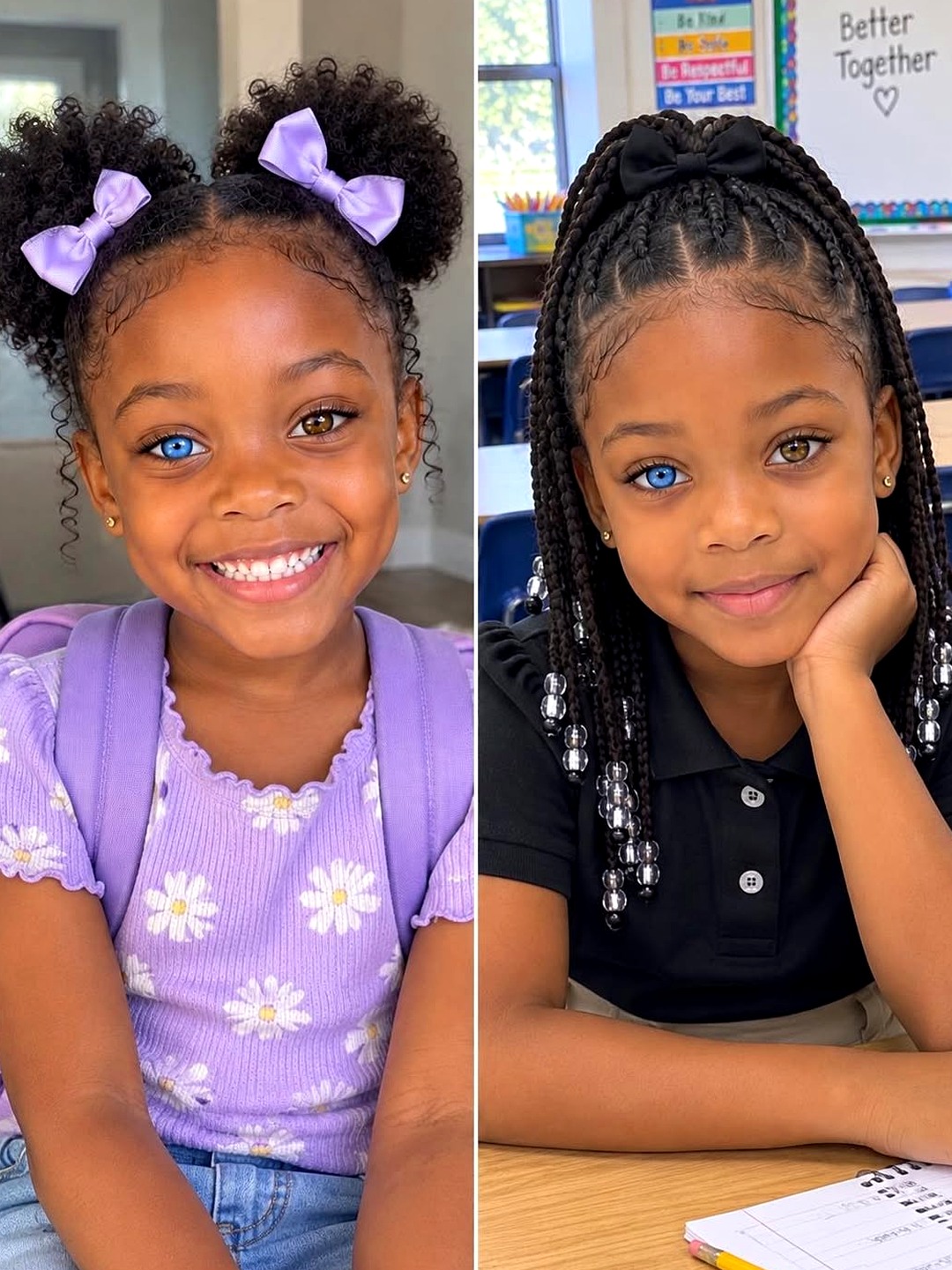
I visited Meadowbrook the next day. It was a sprawling, sterile building surrounded by manicured lawns. The staff were kind, but their eyes held a weary sadness. And then, I saw her. Elara. She was sitting in a sunroom, drawing with crayons. She looked exactly as Clara had described: a miniature version of my daughter, with the same bright blue eyes and a gentle, ethereal beauty. She was… different, yes. Her movements were slightly jerky, her speech a little slurred. But she was alive.
When she saw me, her face lit up with a radiant smile. “Mummy!” she exclaimed, reaching for me. “You remembered my blanket!” As I held her close, a wave of guilt and relief washed over me.
I had been so focused on my grief, so consumed by my own pain, that I hadn’t even considered the possibility that my daughter had a sister who needed me. I looked at Elara, then back towards the school grounds, where Clara was playing with her friends. The karma of that long-ago decision, the weight of years of unspoken sorrow, finally began to lift. They both had a face, both had a home, and both had a mother, finally, truly present for them both.
Husband’s Shocking Betrayal Unfolds at Company Gala: A Tale of Deceit and Revenge